
Plants
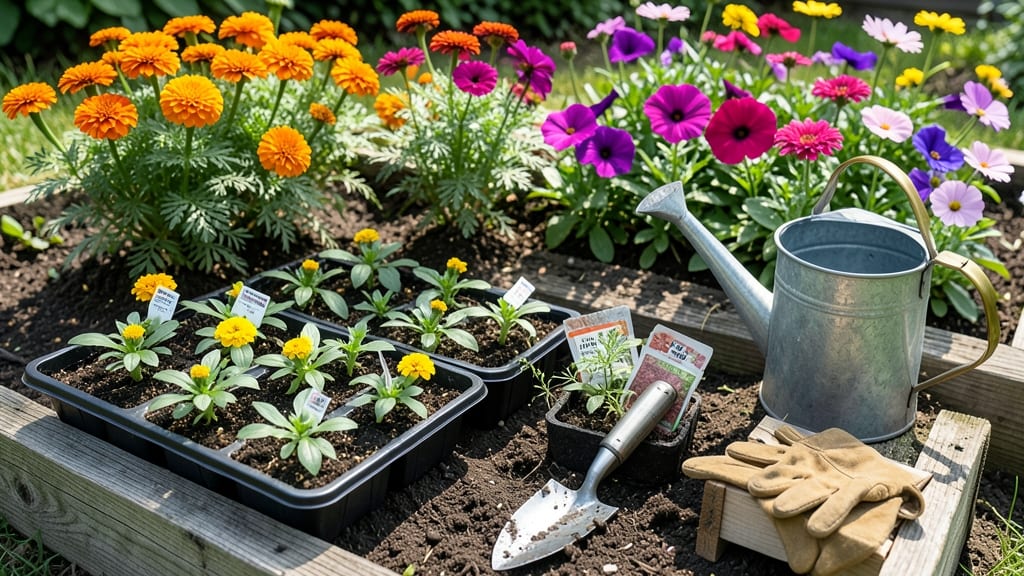
Zone 7 spring planting schedule for annuals: avoid bolting and heat stress
Spring in Zone 7 is a gardener’s tightrope walk—too early, and your annuals bolt before blooming; too late, and summer’s heat zaps their growth. The key? Planting when soil temperatures hit 60°F+ and last frost dates have passed.
For most of Zone 7, this falls between mid-March and early May, but local microclimates (like urban heat islands) can shift these windows by 2-3 weeks.
I’ve learned the hard way that basil and marigolds bolt in Zone 7 heat if planted too soon. The solution? Start cool-season crops like lettuce and spinach in February under row covers, then transition to heat-lovers (tomatoes, petunias) once nights stay above 50°F.
Use a soil thermometer—60°F is the magic number for most annuals.
Here’s my Zone 7 spring planting timeline to avoid bolting and heat stress, tailored for both flowers and vegetables:
| Stage | Action | Soil Temp | Notes |
|---|---|---|---|
| Early March | Start cool crops (lettuce, peas) | 45–55°F | Use row covers for frost protection |
| Mid-April | Plant heat-tolerant annuals (marigolds, zinnias) | 60–65°F | Avoid direct sun until established |
| Late April–Early May | Transplant tomatoes, peppers, basil | 65–75°F | Harden off seedlings first |
| May–June | Succession plant fast growers (bush beans, radishes) | 70°F+ | Shade cloth for seedlings |
For Zone 7 cities like Raleigh or Richmond, average last frost dates range from March 15–April 15. But don’t rely on averages—check your local Cooperative Extension Service for 3-year frost data.
I once planted petunias in early April in Raleigh, only for a late frost to wipe them out. Lesson learned: Wait until nighttime temps stay above 50°F.
Heat stress is another silent killer. Once soil temps exceed 80°F, root growth stalls, and plants bolt. My trick?
Use shade cloth (30–50%) for seedlings and mulch heavily to keep roots cool. Drought-tolerant annuals like lantana or portulaca handle Zone 7’s summer heat better than impatiens, which wilt faster than a wilting marigold in a heatwave.
Pro tip: Succession planting is your best friend. Instead of one big basil planting in May, stagger seeds every 2 weeks through June. This ensures a continuous harvest before the plant bolts. I’ve extended my basil season by 4–6 weeks using this method in Zone 7’s sweltering summers.
Watering matters too. Deep, infrequent watering (1–1.5 inches per week) encourages deep roots, which helps annuals survive Zone 7’s heat. I set a drip irrigation system on a timer to avoid wetting leaves—fungal diseases thrive in humid Zone 7 summers.
And always water in the early morning to reduce evaporation.
Don’t forget fertilizer. A balanced 10-10-10 mix at planting, followed by monthly feedings of fish emulsion, keeps annuals lush without promoting rapid (and risky) growth. Over-fertilizing in Zone 7’s heat is a one-way ticket to bolting.
Finally, keep an eye on the weather forecast. If a heatwave is predicted, provide shade for young plants and increase watering. My zinnias once bolted overnight during a 95°F
Fall planting annuals in Zone 7: extend your growing season without risk
Fall is my favorite time to plant annuals in Zone 7—it’s like getting a second chance at a lush garden before winter. The key? Timing your plantings so they mature before the first frost while avoiding heat stress from lingering summer temperatures.
Most Zone 7 gardeners aim for a 6-8 week window before the average first frost, which typically falls between mid-October and early November.
Cold-hardy annuals like pansies, kale, and snapdragons thrive in cooler weather, while others, such as marigolds or cosmos, can handle light frosts. The trick is to start with slow-growing varieties and use row covers or mulch to protect tender plants.
Even a 10-degree dip can harm young seedlings, so plan accordingly.
One of my biggest mistakes was planting basil too late in fall—it bolted before I could harvest. Instead, opt for heat-tolerant annuals like swiss chard or collard greens, which sweeten up in cooler weather. For flowers, calendulas and dianthus are perfect for fall color and can handle light frosts.
Don’t forget to harden off seedlings before transplanting. Gradually expose them to outdoor conditions for 7-10 days to prevent shock. I also recommend testing your soil’s pH and nutrients—fall plantings benefit from a balanced fertilizer to support root growth before winter.
If you’re in a warmer microclimate (like near a south-facing wall), you might push plantings 2-3 weeks later. But in cooler areas, start earlier to avoid stunted growth. A simple trick? Plant a test row of radishes—they’ll tell you if your timing is on track.
With the right fall planting strategy, you can enjoy fresh herbs, crisp greens, and vibrant blooms well into winter. Just remember: patience and preparation are key to beating Zone 7’s unpredictable weather. Happy gardening! 🌿