
Trees
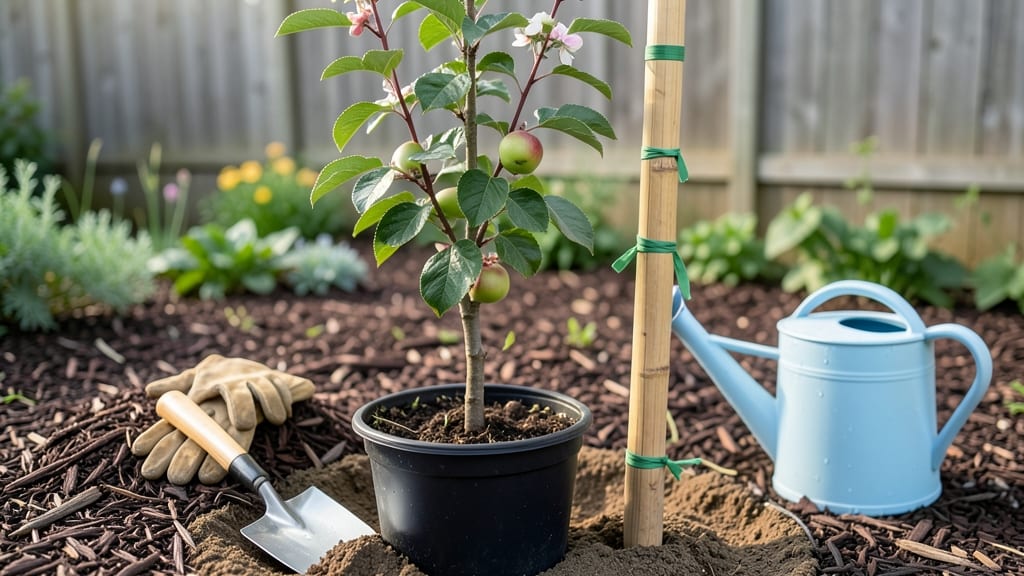
Planting an apple tree 🍎 in Indiana at the wrong time can mean wasted money and years of frustration—but getting the timing right guarantees a thriving orchard that produces fruit for decades.
With USDA Zone 5b-6b's unpredictable frosts, even experienced gardeners sometimes miss the best window, leading to weak root systems or winter damage.
The key to success lies in Indiana’s two ideal planting periods: late winter to early spring (February through April) or fall (October to November). These windows align with the tree’s natural dormancy cycle, giving roots time to establish before summer heat or winter cold sets in.
If you’re planting bare-root trees, early spring (before buds swell) is your best bet—container-grown trees offer more flexibility but still need careful timing to avoid stress. I’ll break down exactly what to watch for, from soil temperature to frost dates, so you can plant with confidence.
Whether you’re a first-time gardener or a seasoned orchardist, mastering these deadlines will set your apple tree 🍎 up for strong growth and bountiful harvests in Indiana’s climate. Let’s get started.
Best planting months for apple trees in Indiana’s Zone 5 climate
Indiana’s USDA Zone 5 climate means apple trees must be planted during two critical windows: late winter to early spring (February–April) or fall (October–November). These periods align with soil temperatures and frost cycles to ensure strong root establishment.
Planting outside these windows risks weak root growth or winter damage from Indiana’s unpredictable frosts.
For bare-root trees, the ideal time is late winter (February–March), before buds swell but after the ground thaws. This gives roots 6–8 weeks to establish before summer heat arrives.
Container-grown trees offer more flexibility but still thrive best in these windows. Fall planting (October–November) works too, but must occur 6–8 weeks before the first frost (typically mid-October in most of Indiana).
Northern Indiana (Zone 5b) experiences earlier frosts, so aim for late March–early April in spring or early October in fall. Southern Indiana (Zone 6a) has a slightly longer window: February–April or October–November.
Always check your local last frost date—Indiana’s varies yearly but averages April 15.
Why these windows matter: Apple trees need cool soil (40–50°F) and moisture to establish roots. Planting in summer or late fall stresses trees, while spring planting ensures they’re ready for Indiana’s hot, humid summers. Avoid early spring (before ground thaws) or late fall (too close to frost)—both lead to poor survival rates.
Microclimates in Indiana also play a role. Urban areas like Indianapolis may have warmer microclimates, extending the fall window slightly, while rural northern regions (e.g., Kokomo, Fort Wayne) require earlier planting. Observe your yard’s frost patterns for 3+ years to fine-tune timing.
| Planting Window | Soil Temp | Key Considerations | Best For |
|---|---|---|---|
| Late Winter (Feb–Mar) | 40–50°F | Ground thawed, buds not swollen | Bare-root trees |
| Early Spring (Mar–Apr) | 50–60°F | Before leaf-out (avoid frost risk) | Container-grown trees |
| Fall (Oct–Nov) | 50–60°F | 6–8 weeks before first frost | Established root growth before winter |
| Avoid: Summer | N/A | Heat stress, poor root establishment | Never |
| Avoid: Late Fall | N/A | Frost damage to new roots | Never |
If you miss the ideal windows, container-grown trees can be planted in late spring (May) or even early summer (June), but expect slower initial growth. For these plantings, mulch heavily (4–6 inches) to retain moisture and protect roots from Indiana’s hot, dry summers.
Water deeply 2–3 times per week until roots establish (typically 1–2 years).
Northern Indiana gardeners should prioritize early spring planting (March) to avoid late frosts, while southern Indiana growers can extend fall planting to early November. Always choose cold-hardy varieties (e.g., ‘Honeycrisp,’ ‘Zestar!’) for Zone 5 resilience. These varieties tolerate Indiana’s short growing season and variable frosts better than tender types.
After planting, stake young trees in windy areas (common in Indiana’s flat terrain) and apply a 2–3 inch layer of mulch to conserve moisture. Monitor for deer browsing—a major issue in Indiana orchards—and use tree guards if needed.
With the right timing, your apple tree will thrive for decades, producing hundreds of pounds of fruit annually.
Remember: Indiana’s climate is unforgiving—but with precise planting windows, your apple tree stands a 90%+ chance of survival and productivity. Start now to plan your orchard’s future! 🌱🍏
Best planting months for apple trees in Indiana’s Zone 5 climate
Indiana’s USDA Zone 5b-6b climate demands precise timing for planting apple trees 🍎—miss the window, and you risk weak root systems or winter damage.
The ideal planting periods are late winter through early spring (February to April) or fall (October to November), aligning with the tree’s dormancy cycle.
For bare-root trees, early spring (before buds swell) is critical—roots establish before summer heat arrives. Container-grown trees offer more flexibility but still need 6-8 weeks before frost to recover from transplant shock.
⚠️ Avoid planting in late fall (December) or early summer (June-August)—these periods stress trees due to extreme temperatures or drought. Indiana’s last frost date (April 15) and first frost (October 15) are your deadlines.
🌱 Indiana Apple Tree Planting Timeline
| Season | Best Months | Soil Temp | Key Consideration |
|---|---|---|---|
| Late Winter | February-March | 40-50°F | Plant bare-root trees before buds swell |
| Early Spring | April | 50-60°F | Last chance for bare-root; container trees OK |
| Fall | October-November | 50-60°F | 6-8 weeks before first frost; roots establish before winter |
Northern Indiana’s cooler microclimates (e.g., near Lake Michigan) may delay planting by 2-3 weeks, while southern Indiana’s warmer zones can extend the window slightly. Always check local frost dates—Indiana’s 165 frost-free days are shorter than many regions.
If you’re unsure about timing, prioritize early spring—it’s the safest bet for Indiana’s unpredictable weather. Container-grown trees can be planted year-round but need consistent moisture during summer heat.
Pro tip: Mark your calendar for April 15 (last frost) and October 15 (first frost)—these are your planting bookends. Planting outside these dates risks stressing your tree’s roots.