
Trees
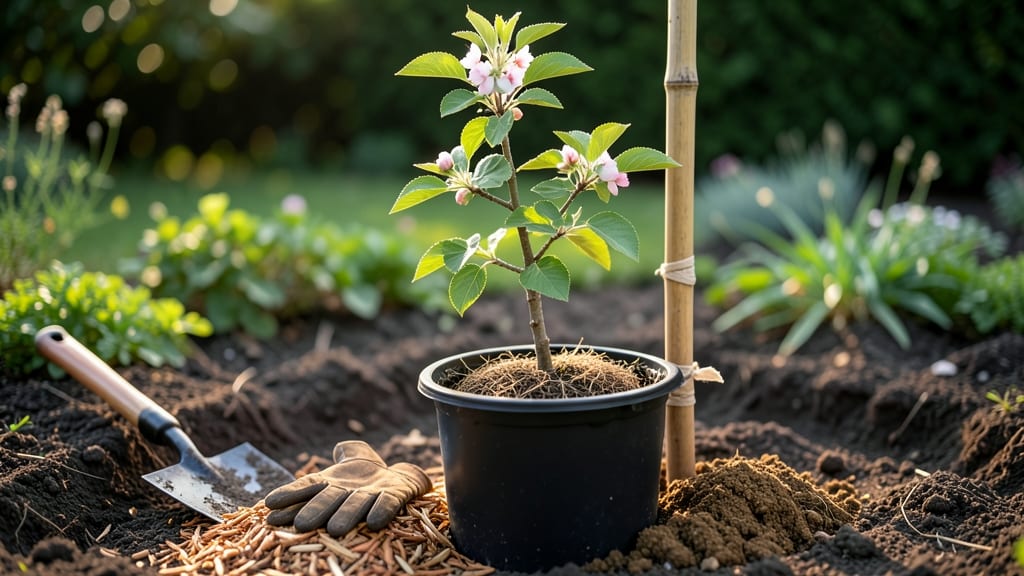
Timing is everything when it comes to planting your 🍎 apple tree in Oregon—get it wrong, and you might end up with stunted growth or no fruit at all.
The key to success lies in understanding your specific climate zone, whether you're in the lush Willamette Valley or the drier Eastern Oregon high desert.
Most gardeners in Oregon's USDA zones 7b-9a should aim for late winter to early spring, specifically between February and April, when the soil is workable but frost risks are lower.
This window gives your tree's roots time to establish before summer heat arrives, setting the stage for a productive harvest in late summer or fall.
But here's the catch: not all apple varieties thrive equally in Oregon's diverse microclimates. Some need more chill hours (like Honeycrisp), while others (like Anna) do just fine with fewer. I'll show you how to match your tree to your zone for maximum success.
Ready to plant? Let's break down the exact steps—from soil prep to post-planting care—to ensure your 🍎 apple tree grows strong and bears fruit year after year. You'll learn how to avoid common mistakes and keep your tree healthy through Oregon's wet winters and dry summers.
Best planting months for Oregon apple trees by climate zone
Oregon’s diverse climate zones—from the rainy Willamette Valley to the dry Eastern high desert—create unique challenges for apple tree planting. The key is timing: plant too early, and roots may struggle in cold soil; too late, and your tree won’t establish before winter.
For Western Oregon (USDA Zones 7b–9a), aim for February through April, while Eastern Oregon (Zones 6b–7a) benefits from a slightly later window of March through May.
Your last frost date is your best guide. In Portland, expect frost around March 15, while Bend’s last frost often hits May 1. Plant 4–6 weeks before your local last frost to give roots time to establish.
For example, in Eugene (Zone 8a), late February to early March is ideal, while La Grande (Zone 6b) waits until mid-April.
Container-grown apple trees offer flexibility—plant them anytime roots aren’t frozen, but late winter to early spring still gives them the best head start. Bare-root trees, however, demand dormant-season planting (November–March) to minimize transplant shock. If you miss the window, wait until spring and soak roots overnight before planting.
Soil temperature matters too. Aim for 40–50°F soil—use a soil thermometer to check. In cooler zones like the Columbia Gorge, wait until soil warms in April, while warmer coastal areas like Astoria can plant as early as January.
🌱
| Region | USDA Zone | Best Planting Window | Soil Temp Goal | Key Consideration |
|---|---|---|---|---|
| Western OR (Portland, Eugene) | 7b–9a | Late Feb–Early April | 40–50°F | High rainfall; amend clay soil |
| Willamette Valley | 8a–9a | March–Early April | 45–50°F | Foggy mornings; monitor frost |
| Eastern OR (Bend, La Grande) | 6b–7a | Mid-April–May | 50–55°F | Dry soil; water deeply |
| Columbia Gorge | 6a–7b | April–Early May | 45–50°F | Microclimates; check frost pockets |
| Coastal (Astoria, Seaside) | 8b–9a | January–March | 40–45°F | Wind protection needed |
Microclimates complicate things. For instance, Medford’s Zone 8a can plant in February, but nearby Ashland’s higher elevation may wait until March. Use the Oregon State University Extension Service’s frost maps to pinpoint your exact window.
If you’re unsure, err on the side of planting later—roots recover faster from heat than cold.
Container planting extends your window. Since potted trees aren’t bound by soil temperature, you can plant them up to 6 weeks after bare-root trees. Just ensure the container has drainage holes and use a well-draining potting mix to prevent root rot. For large
Chill hour requirements by apple variety: Oregon’s top picks
Oregon’s diverse climate zones (USDA 7b-9a) mean not all apple varieties thrive equally. The key to success? Matching your tree’s chill hour needs to your local winter temperatures.
Most Oregon orchards need 300–1,000 chill hours, but some varieties—like Honeycrisp—require 800+ hours, while others like Anna get by with just 200–300 hours.
If you’re in Western Oregon (e.g., Portland, Eugene), you’ll likely hit 500–800 chill hours, perfect for classic varieties like Gala or Fuji. But in Eastern Oregon (e.g., Bend, La Grande), chill hours drop to 300–500, making low-chill varieties like Anna or Jazz your best bet.
Here’s how to pick the right variety for your zone—and avoid the heartbreak of failed blossoms or no fruit.
| Variety | Chill Hours Needed | Best Oregon Zones | Fruit Maturity | Risk Level |
|---|---|---|---|---|
| Honeycrisp | 800–1,000 | Western OR (7b-8a) | Late summer | High (Eastern OR may fail) |
| Gala | 500–700 | All zones | Early fall | Low |
| Fuji | 600–800 | Western OR | Late fall | Medium |
| Anna | 200–300 | Eastern OR | Early summer | Very Low |
| Granny Smith | 400–600 | All zones | Mid-fall | Low |
| Jazz | 300–500 | Eastern OR | Late summer | Low |
For example, if you’re in Bend (Zone 6a), Honeycrisp might not bloom properly, but Anna or Jazz will thrive. Meanwhile, in Portland (Zone 8a), you can grow almost any variety—just avoid high-chill types like Braeburn (900+ hours).
Pro tip: Check your local chill hour data (available from OSU Extension) to fine-tune your choice. Even a 100-hour difference can mean the difference between abundant fruit and bare branches.
Once you’ve picked the right variety, timing your plant becomes even more critical. Planting too early in Eastern Oregon risks frost damage, while planting too late in Western Oregon delays root growth. Next, we’ll cover soil prep and post-planting care to keep your tree healthy year-round.