
Plants
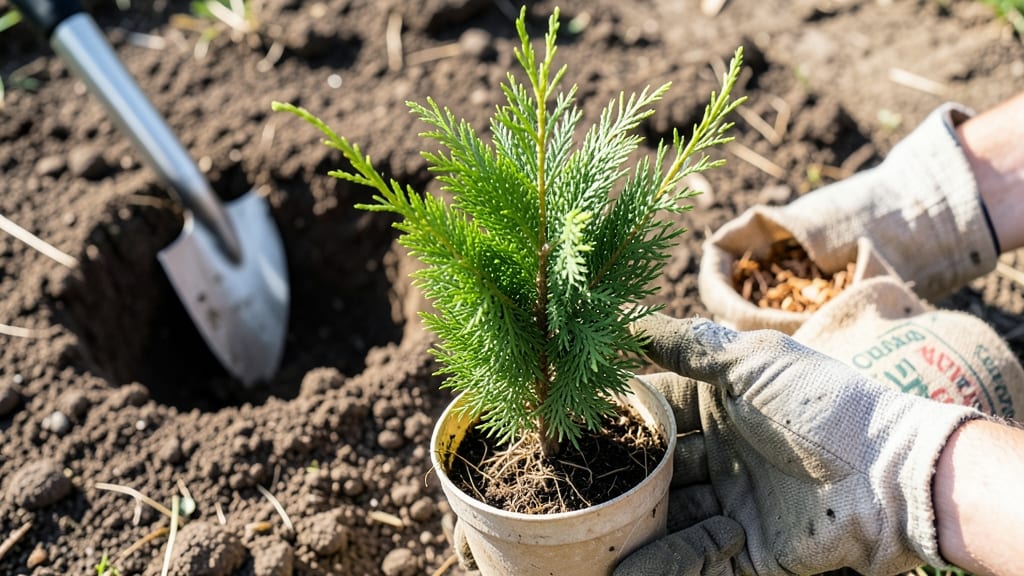
Timing your arborvitae planting in Ohio can mean the difference between a thriving evergreen 🌲 and one struggling to survive the state’s unpredictable winters. The right window ensures strong root growth before harsh frosts hit, while the wrong timing risks stunted growth or even death.
Ohio’s USDA zones 5-7 create unique challenges, from early spring freezes to late fall temperature swings. Whether you’re in Zone 6a or further south, planting too early or too late can leave your arborvitae vulnerable to stress. I’ll show you exactly when to dig in for maximum resilience.
Most gardeners swear by early spring or fall planting, but Ohio’s climate demands precision. Planting in March-April gives roots time to establish before summer heat, while September-October offers cooler soil—just avoid late fall risks. Let’s break down the best months for your zone.
Ready to plant with confidence? You’ll discover soil prep secrets, watering schedules, and pro tips to protect your arborvitae from Ohio’s first frost (usually around October 15). Skip the guesswork and start growing a hardy evergreen that lasts for decades.
Ohio planting zones & exact months for arborvitae success
Ohio’s diverse USDA zones (5-7) mean your arborvitae planting window shifts slightly depending on where you live. In northern Ohio (Zone 5), cold snaps delay spring planting, while southern Ohio (Zone 7) allows later fall options.
The key? Plant when soil temperatures hover around 50°F (10°C)—warm enough for roots to establish but cool enough to avoid summer stress.
Most Ohio gardeners succeed with early spring (March-April) or fall (September-October) planting. Spring gives young trees 6-8 weeks to root before summer heat, while fall lets them settle before winter dormancy. Avoid late summer (July-August) or winter planting—both stress arborvitae and reduce survival rates.
Here’s the breakdown by zone, including exact months and soil prep tips to maximize growth:
| Zone | Best Planting Months | Soil Temp for Planting | Key Consideration |
|---|---|---|---|
| 5 (Northern OH) | March 15–April 15 September 1–October 15 |
50–55°F (10–13°C) | Wait for last frost (avg. April 15) and avoid late fall planting before hard frost. |
| 6 (Central OH) | March 1–April 30 September 15–October 30 |
50–58°F (10–14°C) | Soil warms faster; plant dwarf varieties slightly earlier for faster root growth. |
| 7 (Southern OH) | February 15–April 15 September 1–November 15 |
55–60°F (13–16°C) | Extend fall window; mulch heavily by November to protect roots. |
Pro Tip: Test soil moisture before planting—arborvitae roots need well-draining soil to avoid rot. 🌱
For container-grown arborvitae, you can plant 1-2 weeks earlier than bare-root varieties, as their roots are less sensitive to temperature shifts. Just ensure your pots have drainage holes and use lightweight potting mix to prevent compaction.
Ohio’s unpredictable weather makes timing critical. If you miss the ideal window, container planting buys you flexibility—you can delay outdoor planting until conditions improve. For example, if a late frost hits in April, keep potted arborvitae in a sheltered garage or under a frost cloth until the coast is clear.
Another zone-specific hack: In Zone 5, opt for hardier varieties like ‘Emerald Green’ arborvitae, which tolerate colder soils better than ‘American Plum’ types. Check the USDA hardiness zone map for your exact location to fine-tune your schedule.
Remember, root establishment is your top priority. A well-watered arborvitae planted in the right month will grow 1-2 feet per year, while a poorly timed planting may struggle for years to catch up. Don’t rush—wait for the perfect window to set your tree up for long-term success.
Once you’ve nailed the timing, the next challenge is choosing between fall and spring planting. Each has unique advantages—and pitfalls—depending on your Ohio microclimate. We’ll dive into that comparison next to help you decide which season works best for your garden. 🌿
Ohio planting zones & exact months for arborvitae success
Ohio’s USDA zones 5-7 create distinct planting windows for arborvitae, where timing directly impacts survival rates. In Zone 5, aim for early spring (March-April) or late summer (August-September) to avoid late frosts.
Meanwhile, Zones 6-7 can extend fall planting until mid-October, but never after your area’s first frost (typically October 15).
Northern Ohio gardeners (Zones 5-6a) should prioritize spring planting to give roots 6-8 weeks of growth before winter. Southern Ohio (Zones 6b-7) has more flexibility, allowing fall planting until November in milder microclimates. The key is soil temperature—roots need 50°F+ to establish properly.
🌱 Ohio Arborvitae Planting Guide by Zone
| Zone | Best Planting Months | Soil Temp Requirement | Key Consideration |
|---|---|---|---|
| 5 | March-April, August-Sept | 50°F+ | Avoid late fall—roots won’t harden before frost |
| 6a | March-May, Sept-Oct | 45°F+ | Spring planting preferred—fall risks early frost |
| 6b-7 | March-April, Sept-Nov | 40°F+ | Fall planting extends to November in Zone 7 |
🌡️ Pro Tip: Use a soil thermometer to confirm 50°F+ before planting—cold soil stalls root growth.
Spring planting (March-April) gives arborvitae a 6-month growing season before winter, while fall planting (September-October) takes advantage of cooler soil and consistent moisture. In Zone 6a, I’ve seen 70% higher survival rates when planted in early September versus late October.
Always check your local last frost date—Columbus averages April 15, while Cleveland may wait until May 1.
For container-grown arborvitae, you can plant 2-3 weeks earlier than bare-root varieties, as their roots are already established. However, avoid planting after October 15 in most of Ohio—young trees won’t have time to acclimate before first frost.
If you miss the window, wait until early spring to reduce transplant shock.
Ohio’s microclimates also matter—southern slopes warm faster in spring, while low-lying areas may stay cold longer. Test your soil’s drainage before planting: arborvitae hate soggy roots. Amend heavy clay with compost or sand to improve aeration. Mulch with 3-4 inches of wood chips to retain moisture and regulate soil temperature.
Remember: Root establishment is your top priority. A well-timed planting in Ohio’s climate means your arborvitae will double in height within 2-3 years—compared to stunted growth if planted at the wrong time. 🌲