
Plants
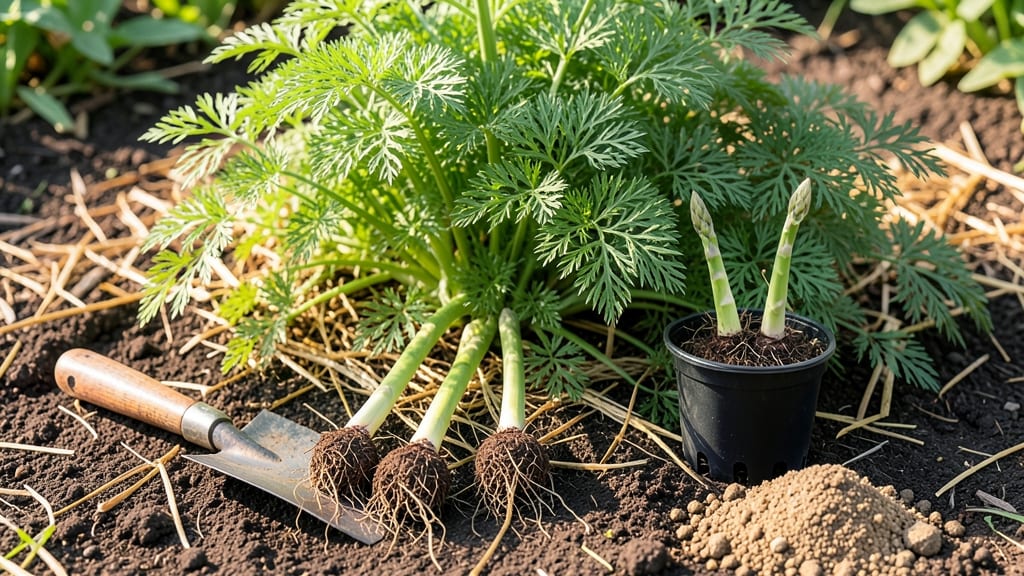
Planting asparagus in Illinois at the wrong time can mean the difference between a thriving garden and wasted effort—especially when frost lingers or summer heat arrives too soon. The key to success lies in understanding your zone's unique climate, whether you're in chilly northern Illinois or the warmer southern stretches.
For most Illinois gardeners in zones 5-6, early spring is your best bet, with crowns planted between March and April when soil temperatures hit 50°F. But timing isn't just about the calendar—it's about soil readiness and avoiding those pesky late frosts that can stall growth.
I'll break down exactly when to plant for maximum yield, whether you're working with crowns or seeds, and how to prepare your soil for Illinois' often heavy clay. You'll also discover why some gardeners swear by fall planting—and when it's better to wait until spring.
Ready to grow your own 🌱 asparagus? Let's dive into the strategies that turn Illinois gardens into high-yielding asparagus patches year after year.
Optimal Illinois planting months by climate Zone (with exact dates)
Illinois spans USDA Hardiness Zones 5 through 7, creating distinct planting windows for asparagus. In Zone 5 (northern IL), like Chicago and DeKalb, aim for late March to mid-April when soil reaches 50°F.
Southern Illinois (Zone 7) can plant as early as mid-February, while central Illinois (Zone 6) falls in between with early April being ideal.
Asparagus crowns thrive when planted in cool but thawed soil. Use a soil thermometer to confirm—45-55°F is perfect. Planting too early risks frost damage, while waiting too long delays root establishment.
Illinois’ last average frost date varies from April 15 in the north to March 20 in the south, so adjust accordingly.
For maximum yield, prioritize spring planting over fall. Fall-planted crowns often struggle with winter dormancy in Illinois’ variable climate. However, Zone 7 gardeners (like those in Cairo) can experiment with late September planting for an early spring harvest.
Pro Tip: In Zone 5 and 6, cover newly planted crowns with straw mulch (3-4 inches) to insulate against late frosts. Remove mulch once spears emerge to prevent overheating.
| USDA Zone | Best Planting Window | Soil Temp Threshold | Frost Risk Level |
|---|---|---|---|
| 5 (North IL) | Late March - Mid-April | 50°F+ | High (last frost: April 15) |
| 6 (Central IL) | Early April | 48°F+ | Moderate (last frost: April 5) |
| 7 (South IL) | Mid-February - Early March | 45°F+ | Low (last frost: March 10) |
🌱 Key: Adjust 1-2 weeks earlier if using black plastic mulch to warm soil faster.
If you miss spring planting, fall is a secondary option—but only in Zone 6 and 7. Plant 8-10 weeks before first frost (typically late September) to allow roots to establish before winter. In Zone 5, fall planting rarely succeeds due to harsh winters.
For container growing, Illinois gardeners can extend planting into May using 5-gallon pots filled with well-draining mix. Containers warm faster in spring, but monitor soil temps closely—55°F is the absolute minimum for crowns.
Remember: Asparagus is a perennial with a 3-year establishment period. Planting at the right time ensures spear production for 15+ years—making precise timing in Illinois’ climate worth the effort.
🌿 Illinois-Specific Tip: Test soil pH (aim for 6.5-7.0) before planting. Illinois’ clay soils often need gypsum or compost to improve drainage.
Why fall planting in Illinois works (and when to avoid it)
Fall planting might seem counterintuitive for asparagus, but in Illinois, it can actually give your crop a head start. The key is planting crowns 8-10 weeks before the first frost—typically between mid-August and early September—allowing roots to establish before winter dormancy.
This strategy works especially well in USDA Zone 6 areas like southern Illinois, where milder winters reduce frost risk.
One major advantage is that fall-planted crowns develop stronger roots before spring, leading to earlier and larger harvests in subsequent years. However, success depends on soil moisture and temperature—Illinois' unpredictable fall weather can turn this strategy into a gamble if rains stall planting or early frosts arrive unexpectedly.
The science behind fall planting lies in asparagus' natural dormancy cycle. When planted in autumn, crowns enter a controlled dormancy period, avoiding the stress of spring's fluctuating temperatures.
This method is particularly effective in warmer microclimates, like those found near rivers or in urban heat islands, where soil stays warmer longer.
But timing is critical—plant too late, and crowns won't establish roots before winter. In northern Illinois (Zone 5), where first frosts often hit by mid-October, fall planting becomes riskier.
I recommend testing soil temperatures with a soil thermometer—aim for 50-60°F for optimal root growth before dormancy sets in.
Fall Planting Success Factors in Illinois
- Best Zones: Southern IL (Zone 6) over northern (Zone 5)
- Planting Window: Mid-August to early Sept (8-10 wks before frost)
- Soil Temp: 50-60°F for root establishment
- Moisture: Keep soil consistently damp (not soggy)
- Mulch: 2-3 inches of straw after planting
For gardeners in northern Illinois, where winters are harsher, I recommend sticking to spring planting (March-April) for more predictable results. The trade-off? You'll wait an extra year for your first harvest. But the reduced risk of winter kill makes it worth it for many home growers.
If you do choose fall planting, prioritize well-draining soil and full-sun locations—these are non-negotiable for asparagus success. Amend heavy clay soils with compost or sand before planting, and consider using a soil warming blanket in early fall to extend the growing window.
With the right conditions, fall-planted asparagus can outperform spring-planted beds by 20-30% in yield during the second year.