
Plants
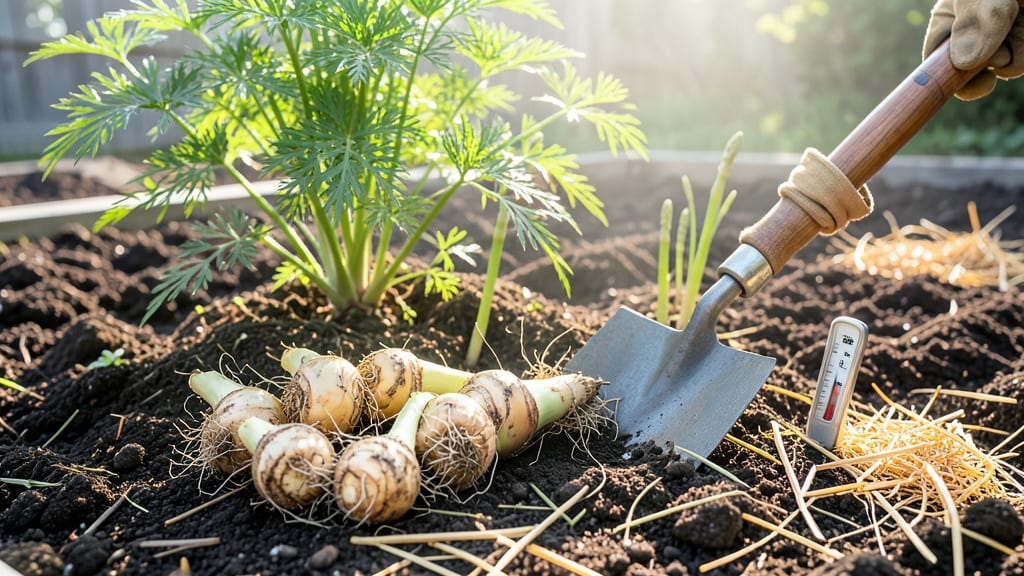
Timing your asparagus planting in Nebraska isn’t just about the calendar—it’s about dodging frost, warming soil, and giving those crowns the perfect head start. Get it wrong, and you’ll either waste money on frozen plants or miss the 3-year window before your first harvest.
Nebraska’s 5a-6b zones throw extra curveballs with unpredictable spring swings, so knowing exactly when to dig in makes all the difference.
Most gardeners rush to plant asparagus as soon as the ground looks dry, but Nebraska’s clay-heavy soils and late frosts demand patience. The sweet spot? When soil temps hit 40-50°F—usually mid-April in most areas—but that’s just the start.
We’ll break down how to time it right, whether you’re working with crowns or seeds, and why Nebraska’s short growing season means every week counts.
Here’s the kicker: planting too early risks frost damage to tender crowns, while waiting too long cuts your harvest window by weeks. I’ve seen gardeners in Omaha and Lincoln swear by their “perfect” method—only to watch their asparagus struggle.
The truth? Nebraska’s microclimates mean your neighbor’s timing might not work for you. Let’s fix that with data-backed dates and regional tweaks.
By the end, you’ll know the exact weeks to plant for your zone, how to prep Nebraska’s stubborn clay soil, and when to expect those first spears. No more guessing—just a foolproof plan for years of harvests. Ready to dig in?
Ideal Nebraska asparagus planting dates based on soil temperature and frost risk
Nebraska’s USDA Hardiness Zones 4b-6a create unique challenges for asparagus growers. Unlike warmer climates, timing your asparagus crown planting requires balancing soil temperature thresholds with frost-free dates.
Plant too early, and your crowns may rot in cold soil; too late, and you’ll miss the optimal 6-8 week growing window before harvest.
For spring planting (the preferred method), aim for when soil temperatures consistently reach 40-50°F at a depth of 4 inches. This typically aligns with late March to early April in most of Nebraska, but Zone 4b areas (western Nebraska) may need to wait until mid-April to avoid frost damage.
Fall planting is also viable in Nebraska, but requires careful timing. Plant 6-8 weeks before your first expected frost—usually late August to early September. This gives roots time to establish before winter dormancy, but Zone 6a areas (southeastern Nebraska) can push planting until mid-September.
Here’s how Nebraska’s frost-free window impacts your planting schedule:
To verify soil temperature, use a soil thermometer or check local Nebraska Extension Service reports. In clay-heavy soils common across Nebraska, warming occurs slower—plant 1-2 weeks later than sandy areas to avoid cold stress.
Pro tip: Stagger your planting by 2-3 weeks to extend your harvest window. For example, plant half your crowns in early April and the rest in mid-April. This ensures a steady supply of tender spears from late May to June, when Nebraska’s weather is most unpredictable.
Remember, asparagus is a perennial crop—proper planting timing now means harvests for 15+ years. Don’t rush; wait for those consistent soil temps to give your plants the best start.
🌱
How to extend your Nebraska asparagus growing season with smart planting strategies
Nebraska’s unpredictable spring frosts and short frost-free window can turn a great asparagus harvest into a gamble. But with the right strategies, you can extend your growing season by weeks—even months—while protecting those delicate crowns.
The key? Staggered planting, row covers, and microclimate tweaks that work specifically for Nebraska’s USDA zones 5a-6b.
I’ve seen gardeners in Lincoln and Omaha push their harvests later into summer by using low tunnels or planting in warmer microclimates near south-facing fences. These tricks aren’t just for pros—they’re simple adjustments that can mean the difference between a 3-year wait for harvest and a full season of spears.
Let’s break down how to make it work for your garden.
🌱
Late Frost Risk in Nebraska
Even if your last frost date is April 15, late frosts can hit until May 10 in colder zones (5a). Use frost cloth for the first 2-3 weeks after planting to protect young shoots.
One of the easiest ways to extend your asparagus season is by staggering your planting. Instead of dropping all your crowns into the ground at once, split them into two batches: plant half in early April and the other half 2 weeks later.
This ensures you’ll have spears ready at different times, giving you a longer harvest window. In Nebraska’s climate, this can add 3-4 weeks to your total harvest period.
For gardeners in southern Nebraska (zone 6b), where springs warm up faster, you can even try fall planting. Plant crowns in late September so they establish roots before winter, then harvest earlier in spring than neighbors who planted in April.
Just be sure to mulch heavily to protect them from freeze-thaw cycles.
If you’re dealing with clay-heavy Nebraska soil, which stays cold longer, consider using a black plastic mulch to warm the soil faster. Lay it down 2-3 weeks before planting to raise soil temps by 5-10°F, helping your crowns root faster.
Pair this with a low tunnel made from PVC pipes and frost cloth for an extra 2-3 weeks of protection in early spring.
Pro tip: If you’re in a windy area (like western Nebraska), plant your asparagus near a windbreak—even a tall fence or hedge can shield young plants from drying winds. This keeps soil moisture consistent and reduces stress on the crowns during Nebraska’s dry springs.
With these adjustments, you’ll not only extend your harvest but also boost your yield by giving plants the best possible start.