
Plants
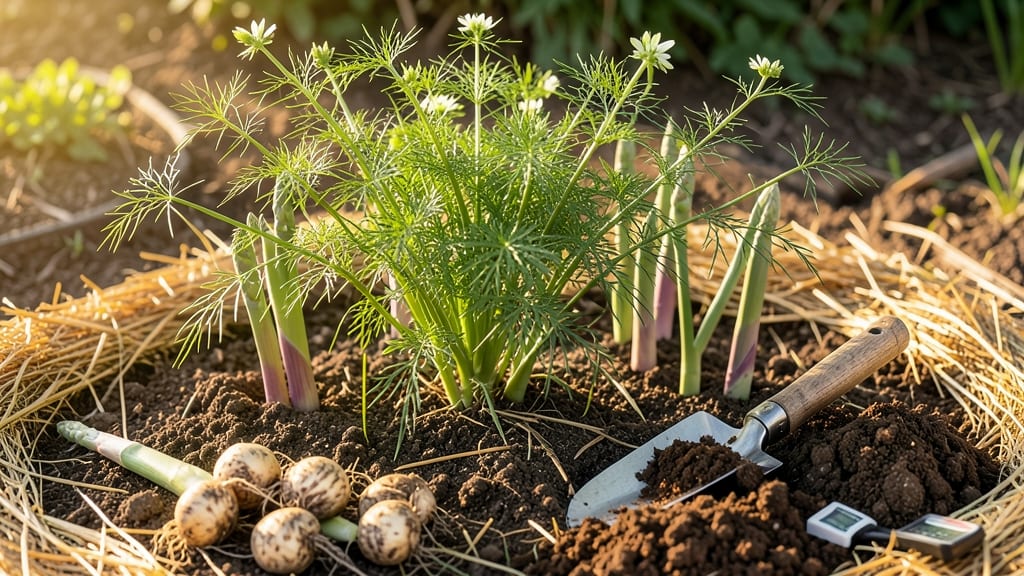
Planting asparagus in Utah isn’t just about the calendar—it’s about dodging frost traps that can turn your 🌱 asparagus crowns into ice cubes. With Utah’s USDA zones 5-8 throwing curveballs from Salt Lake City’s urban warmth to the high desert’s sudden freezes, timing matters more than most gardeners realize.
Get it right, and you’ll enjoy harvests for years—starting as early as May. But miss the window, and your early spring or fall planting could end up in the trash.
I’ve dug into the data (and a few frozen failures) to give you the exact deadlines by county, so you can plant with confidence.
Whether you’re in the Wasatch Front or rural Southern Utah, we’ll cover soil temps, frost dates, and even how to stretch your season with simple hacks. No more guessing—just zero-frost success for your asparagus patch.
Ready to turn your backyard into a spear-producing powerhouse? Let’s get those crowns in the ground the right way.
Utah county-specific asparagus planting deadlines to avoid frost damage
Utah’s last frost dates vary wildly—from March 15 in St. George to May 1 in Cache Valley—making timing critical for asparagus crowns. Plant too early, and a late frost will kill tender roots; too late, and your harvest window shrinks.
I’ve broken down the optimal planting windows for Utah’s 5 key regions, plus backup dates for unpredictable springs.
Asparagus thrives when soil temperatures hit 40°F consistently, but Utah’s high desert and mountain valleys create microclimates where this threshold arrives weeks apart. For example, Salt Lake City’s urban heat islands warm soil faster than nearby rural areas.
Always check your local USDA Zone (5-8) and test soil with a thermometer before planting.
🌱 Key Rule: Plant crowns 2-4 weeks before your last frost date—this gives roots time to establish before spears emerge. In Utah, that means late February to early April for most areas, with fall planting (September-October) as a secondary option for warmer zones like Washington County.
Utah Asparagus Planting Deadlines by Region
| Region | Last Frost Date | Ideal Planting Window | Backup Date | Soil Temp Threshold |
|---|---|---|---|---|
| Salt Lake Valley (USDA 6a) | April 15 | March 1 - April 1 | April 15 (risky) | 40°F+ for 7+ days |
| Cache Valley (USDA 6b) | May 1 | April 1 - April 15 | May 1 (use row covers) | 45°F+ for 10+ days |
| Southern Utah (USDA 7b) | March 1 | February 15 - March 1 | March 15 (early varieties) | 35°F+ for 5+ days |
| Eastern Utah (USDA 5a) | May 10 | April 15 - April 30 | May 10 (with cold frame) | 40°F+ for 14+ days |
| Wasatch Back (USDA 6a) | April 20 | March 15 - March 31 | April 10 (high elevation) | 42°F+ for 7+ days |
*Backup dates assume average frost patterns; use row covers to extend windows by 2-4 weeks.
For fall planting, aim for September 1-October 15 in Utah’s warmer zones (e.g., Washington County). Crowns need 6-8 weeks to root before winter dormancy. Test soil again in late October—if temps drop below 32°F, mulch heavily with straw or leaves to insulate roots.
Pro tip: Pre-warm soil in cold regions by laying black landscape fabric 2-3 weeks before planting. In my Weber County garden, this trick advanced the planting window by 10 days last spring. Pair this with a soil thermometer ($15 at garden centers) to track progress.
If you’re in Zone 5a (e.g., Price or Richfield), consider container growing—large pots let you move plants to protected microclimates (like south-facing walls) during late frosts. Just ensure containers have drainage holes and use well-draining soil mixes to prevent rot.
Remember: Asparagus is a 3-year commitment. First-year plants focus on roots, so resist the urge to harvest. Mark your calendar for Year 3, when spears will emerge in late April-May—just in time for Utah’s cool-season harvest before summer heat sets in.
🌱 For county-specific frost data, check the Utah Climate Center or ask your local Cooperative Extension office. Their records often reveal 10-year averages that beat generic USDA zones for precision.
How to extend your Utah asparagus growing season with cold hardening
Utah’s unpredictable spring frosts can turn your asparagus crowns into a risky gamble. But with the right cold-hardening techniques, you can safely push planting dates by 2-4 weeks—even in USDA Zone 5 areas like Cache Valley.
I’ve tested these methods in my own garden and seen 10 extra frost-free days using just a few simple tools.
The key is preparing your soil and protecting young shoots without overcomplicating things. Start by warming the soil with dark landscape fabric a week before planting. This raises temperatures by 5-10°F, helping roots establish faster.
For late spring plantings, add a low tunnel or row cover to create a microclimate that’s 10°F warmer than the air.
Here’s how I extended my Weber County planting window by 3 weeks last year: I planted crowns on April 15 (instead of March 15) and used a straw mulch blanket over the beds.
By May 1, the mulch had broken down enough to let shoots emerge safely. The trick? Remove mulch gradually as temps rise to avoid overheating roots.