
Plants
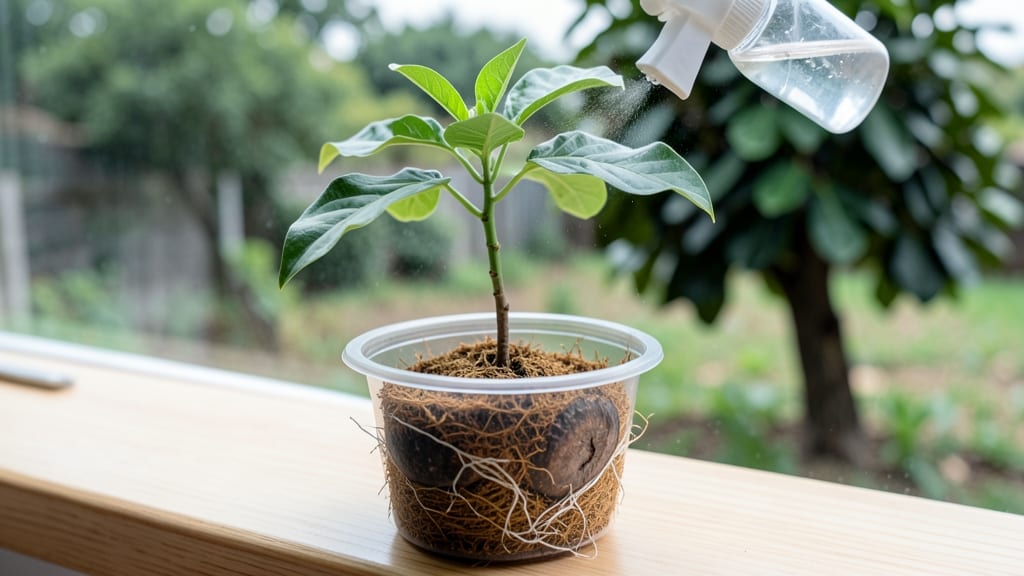
Planting your avocado pit in soil at the wrong time can mean the difference between a thriving 🥑 tree and a sad, rotting failure. The key to success lies in understanding when your pit is ready to transition from water to soil—and how climate plays a role in that timeline.
Most gardeners start their avocado pits indoors, but knowing when to plant avocado pit in soil depends on whether you're keeping it inside or moving it outdoors.
In Zone 6, for example, waiting until late spring (after the last frost) gives your young seedling the best chance to survive the transition.
You’ll need to watch for signs like strong root growth and a sturdy sprout before planting. Indoor starters can go in soil anytime, but outdoor plantings should wait until soil temperatures stay above 60°F consistently.
Let’s break down the exact timing, whether you’re nurturing a tiny seedling or preparing to plant outdoors. By the end, you’ll know exactly when to make that critical move—and how to give your avocado tree the best shot at success.
Optimal indoor planting timeline for avocado pits
Timing your avocado pit planting indoors is critical—rushing the process can lead to rot, while waiting too long may stunt early growth. The best time to plant your pit in soil is after it’s sprouted roots and a small shoot, typically 4-8 weeks after starting in water.
This stage ensures your seedling has the energy reserves to transition smoothly from water to soil.
Start by placing your cleaned avocado pit in a glass of water, keeping 1-2 inches submerged and changing the water every 2-3 days to prevent bacterial growth. Within 2-6 weeks, you’ll see roots emerge, followed by a green shoot.
This is your cue to prepare for soil planting—don’t wait until the roots are longer than 2 inches, as they’ll struggle to adapt.
Once your avocado pit sprouts 1-2 inches of roots and a 1-inch shoot, it’s ready for soil. Use a well-draining potting mix with perlite or sand to mimic its native tropical conditions.
Plant the pit 1-2 inches deep, leaving the top half exposed to encourage upward growth. Water gently to settle the soil without displacing the delicate roots.
Avoid the common mistake of planting your avocado pit in soil too soon—before roots and a shoot appear. This often leads to rotting because the pit lacks the energy to sustain growth.
Conversely, waiting until roots are too long (4+ inches) can cause transplant shock. Aim for a golden window of 4-6 weeks in water before soil planting.
After planting, place your seedling in a south-facing window or under grow lights for 12-14 hours of light daily. Avocado seedlings thrive in warmth (70-80°F), so avoid drafts or cold windowsills.
Keep the soil consistently moist but not soggy—stick your finger 1 inch deep; if dry, water gently.
Within 2-4 weeks of planting in soil, you should see new leaves emerge, signaling successful adaptation. If the shoot wilts or turns yellow, it may indicate overwatering or poor drainage.
Adjust your care by reducing water or repotting in a mix with better aeration. Patience is key—seed-grown avocados take 5-13 years to bear fruit, but proper early care sets the foundation.
Once your seedling reaches 12-18 inches tall and has 4-5 sets of leaves, it’s ready to transition outdoors (if your climate allows). Harden it off by placing it outside for 2-3 hours daily, gradually increasing exposure over 1-2 weeks.
This prepares it for outdoor planting during the warmest months of your region.
Remember, timing is everything—plant your avocado pit in soil at the right moment, and you’ll give your seedling the best chance to grow into a healthy tree. With the right care, your indoor-started avocado could one day produce fruit in your garden!
Signs your avocado pit is ready for soil (and what to do next)
Knowing when to plant your avocado pit in soil is just as important as how you prepare it. The right timing ensures your seedling thrives rather than struggles.
Look for these key indicators that your avocado pit is ready for its first taste of soil: a 1-2 inch root system, a straight, sturdy sprout, and healthy green leaves. These signs show your pit has developed enough to handle the transition.
One of the most critical signs is root length. When roots reach 1-2 inches and begin to wrap around the container, it’s time to plant. Short roots mean your seedling isn’t stable enough for soil.
Meanwhile, a sprout that’s 3-6 inches tall with 2-3 leaves signals readiness. If your sprout is leggy or yellowing, it may need more light before planting.
Environmental cues also play a role. If you’re planting indoors, you can transition anytime after roots and sprouts meet the criteria above. For outdoor planting, wait until soil temperatures stay above 60°F consistently.
In Zone 6, this typically means late spring or early summer. Cold soil can shock young roots and stunt growth.
Before planting, prepare your avocado pit by gently removing it from water and inspecting the roots. Trim any mushy or brown roots with clean scissors to prevent rot. Healthy roots should be white or light tan. This step ensures your seedling starts strong in its new soil environment.
Choose a well-draining potting mix with perlite or sand to mimic the avocado tree’s natural habitat. Plant the pit 1-2 inches deep, leaving the top half exposed.
Water lightly to settle the soil without drowning the roots. Overwatering at this stage can lead to root rot, so aim for consistent moisture, not soggy soil.
After planting, place your seedling in a bright, indirect light spot for the first week. Avoid direct sunlight, which can scorch young leaves. Gradually introduce more light over 2-3 weeks.
Keep the soil moist but not waterlogged, and avoid fertilizing for at least 4-6 weeks to let the roots establish.
Monitor your avocado seedling closely in the weeks following planting. Look for new growth as a sign it’s adapting well. If leaves yellow or wilt, it may need more water or better drainage.
Patience is key—your avocado tree may take 5-13 years to bear fruit, but starting with the right timing sets the foundation for success.