
Plants
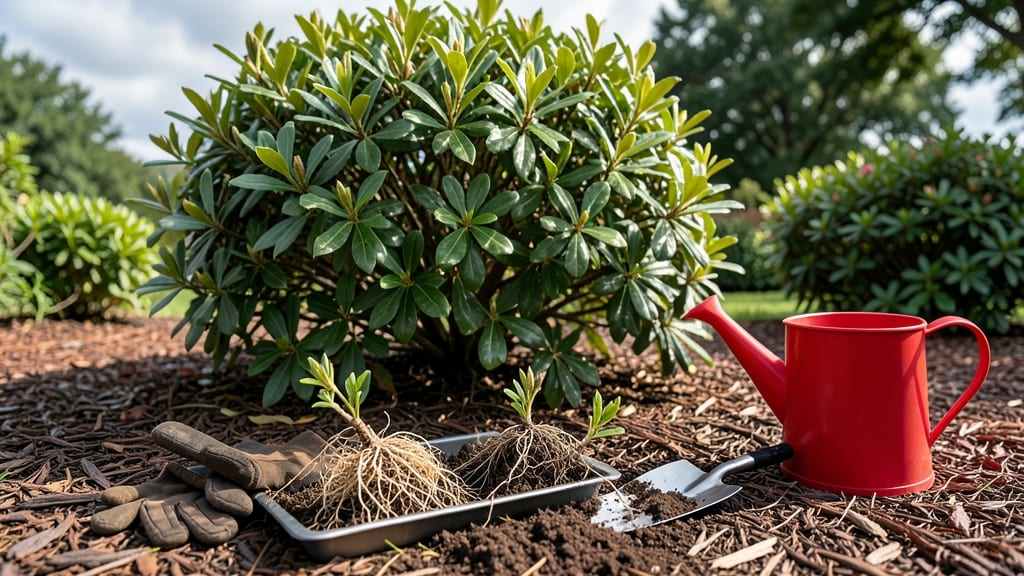
Planting azaleas in Texas isn’t just about timing—it’s about choosing heat-resistant varieties that thrive despite the sweltering summers. With the right approach, your 🌸 azaleas can bloom beautifully year after year, even in the 8a-10a zones where heat and humidity test their limits.
Most gardeners make the mistake of waiting too long, planting when the summer heat is still lingering or just before frost hits. But the best months to plant—fall and early spring—give your azaleas the ideal conditions to establish strong roots before facing Texas’s extreme temperatures.
In this guide, I’ll break down the exact planting windows for your region, whether you’re in the Hill Country or Gulf Coast. You’ll also discover the top heat-tolerant varieties and critical care tips to avoid common pitfalls like overwatering or poor soil prep.
Ready to transform your garden with vibrant 🌸 azaleas that stand up to Texas’s challenges? Let’s get started with the strategies that actually work.
Best months to plant azaleas in Texas for maximum survival
Texas's extreme heat and variable frost dates make timing critical for azalea success. Unlike cooler climates, fall and early spring are your only safe windows—summer planting nearly guarantees heat stress. Let’s break down the optimal planting months by Texas climate zones and why they matter.
North Texas (Zones 7b-8a) has the shortest growing season, with last frost dates around March 15. Here, October through November is ideal—cooler temps help roots establish before winter. Early spring (February) works too, but avoid planting after March 15 to prevent frost damage.
Central Texas (Zones 8a-8b) enjoys milder winters, extending the window to September through November or February through March. The key is avoiding peak summer heat (June-August), which can fry young roots. Even heat-tolerant varieties struggle without established root systems.
South Texas (Zones 9a-10a) has the longest frost-free season. Plant in September-October or January-February to bypass the brutal summer. Never plant in May or later—the combination of heat and humidity creates perfect conditions for fungal diseases like root rot.
| Texas Zone | Best Planting Window | Avoid Planting | Key Tip |
|---|---|---|---|
| North (7b-8a) | October-November February |
April-August | Mulch heavily to protect roots from winter freeze. |
| Central (8a-8b) | September-November February-March |
May-September | Water deeply 2x/week after planting to reduce transplant shock. |
| South (9a-10a) | September-October January-February |
April-August | Use shade cloth (30-50%) to protect young plants from intense sun. |
Fall planting is my top recommendation for 90% of Texas gardeners. Cooler air and consistent rainfall create perfect conditions for root growth. If you must plant in spring, do it before buds swell—once flowers appear, the plant’s energy shifts to blooming, not root development.
Pro tip: Acclimate container-grown azaleas for 1-2 weeks before planting by moving them to a shaded outdoor spot. This reduces shock when transitioning from nursery pots to your garden. Harden them off gradually to 50% shade first, then full site conditions.
For container gardening in urban Texas heat islands, plant in early September or late January. Pots dry out faster, and heat stress becomes deadly after 90°F+ days. Use self-watering containers with 3 inches of mulch to retain moisture.
Remember: Soil temperature matters more than air temperature. Test your soil—it should be 60-70°F at planting time. Use a soil thermometer (available at garden centers) to check before digging. If it’s hotter than 75°F, wait 2-4 weeks.
Finally, avoid planting during rain events. Compacted soil and poor drainage are silent killers for azaleas. Schedule planting for a dry, overcast day to give roots the best start possible.
Best months to plant azaleas in Texas for maximum survival
Texas’s brutal summers make timing critical for azalea success. Unlike cooler climates, fall planting (October–November) is ideal because cooler temps help roots establish before winter. Early spring (February–March) works too, but avoid planting after last frost dates—your azaleas will struggle with heat stress.
In North Texas (Zone 8a), aim for October 1–November 15 before the first frost hits. Central Texas (Zone 8b–9a) gardeners should plant by November 1, while South Texas (Zone 9b–10a) can extend planting until December 15—just stay ahead of winter chills.
Spring planting? February is your last chance before summer’s scorching heat. By April 1, soil temps often exceed 80°F, shocking young roots. Always check your last frost date—delaying too long risks heat shock and poor survival rates.
🌡️ Texas Azalea Planting Windows by Climate Zone
| Zone | Fall Planting | Spring Planting | Avoid After |
|---|---|---|---|
| 8a (North TX) | Oct 1–Nov 15 | Feb 1–Mar 15 | Apr 1 (heat stress) |
| 8b–9a (Central TX) | Oct 15–Nov 1 | Feb 15–Mar 10 | Mar 31 (soil too hot) |
| 9b–10a (South TX) | Oct 30–Dec 15 | Feb 1–Mar 1 | Mar 15 (extreme heat) |
⚠️ Pro Tip: Mulch heavily after planting to retain moisture and protect roots from temperature swings.
Why fall planting wins? Cooler air and 60–70°F soil temps encourage root growth without stress. Spring planting still works if you’re patient—just water deeply 2–3x/week until roots establish (usually 6–8 weeks).
Texas’s microclimates matter. Hill Country areas (like Zone 8a) freeze earlier, while Gulf Coast zones (9b–10a) stay mild. Adjust your timeline based on your local last frost—check Texas A&M’s frost maps for precision.
Never plant in summer or late spring—even shade-loving azaleas wilt in 90°F+ soil. If you miss fall/spring, container-grown azaleas can be planted year-round with extra shade and daily watering. But for best results, stick to the ideal windows.