
Plants
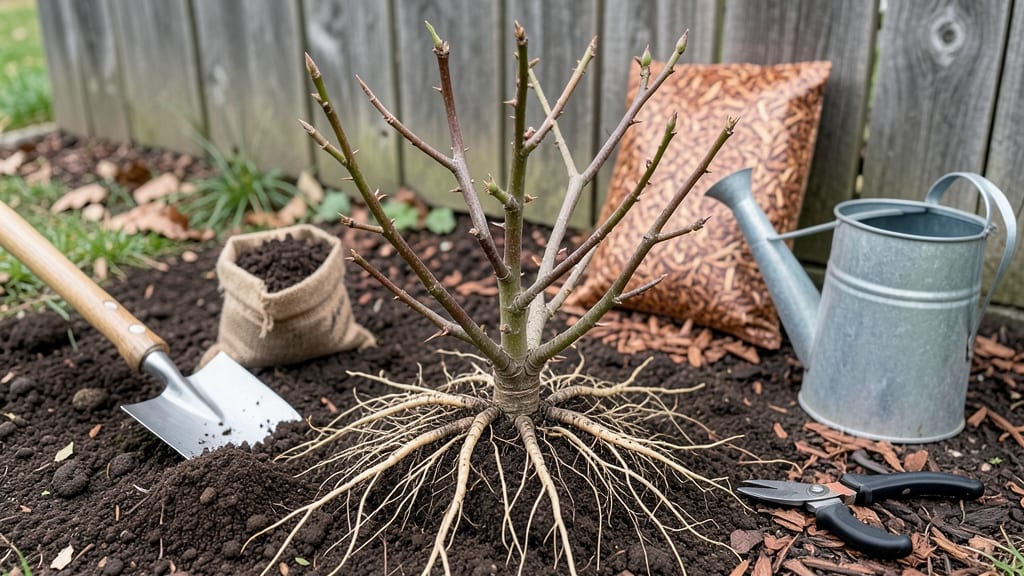
Planting your 🌹 bare root roses at the wrong time in California can mean the difference between lush, fragrant blooms and sad, stunted shrubs struggling to survive. With our mild winters and unpredictable frost patterns, timing isn't just important—it's everything.
Most gardeners in California's 9b-10a coastal zones can plant year-round, but inland areas from 7b-9b need that perfect November-March window to give roots time to establish before summer heat arrives. Get it wrong, and you risk bolting—where your rose shoots up too fast without proper root development.
I've helped countless California gardeners avoid this common mistake by matching rose varieties to their specific chill-hour requirements. Whether you're in the foggy coast or hot inland valleys, we'll cover exactly when to dig those roots in for maximum success.
Let's break down the science behind chill hours, regional planting windows, and the simple steps to prepare your soil so your roses thrive from day one. Your perfect bloom season starts with the right timing—and this is how to nail it.
California chill-hour zones and best planting windows for bare root roses
California’s diverse climate means chill hours—not just frost dates—determine when to plant bare root roses for success. Unlike cooler states, our mild winters and hot summers create unique challenges. Planting at the wrong time can trigger premature bolting (early budding) or stress roots in summer heat.
Most California gardeners fall into one of three chill-hour zones: 0–300 hours (coastal deserts), 300–700 hours (central valleys), or 700+ hours (mountain foothills). Each zone has a specific planting window to align with natural dormancy cycles. Let’s break it down by region.
🌹 Key Insight: The optimal planting window for bare root roses in California is November through February, but your exact timing depends on chill hours. Coastal areas (like San Diego) can plant year-round, while inland zones (like Sacramento) must act fast before spring warmth arrives.
For coastal California (0–300 chill hours), like San Diego or Santa Barbara, you can plant bare root roses year-round—but November through March is ideal. These areas rarely see frost, so the goal is to avoid summer heat stress.
If you plant in summer, mulch heavily and water deeply to protect roots.
In central California (300–700 chill hours), such as Sacramento or Fresno, November to February is critical. Plant too late, and rising temperatures will trigger bolting (premature budding). Aim to finish planting by late February to give roots time to establish before spring warmth arrives.
💡 Pro Tip: Use a chill-hour calculator (like the one from UC Davis) to pinpoint your exact zone. For example, Los Angeles (Zone 10a) averages 200–300 chill hours, while Eureka (Zone 9b) sees 500–700 hours. Match your rose variety to these numbers for best results.
In northern mountain regions (700+ chill hours), like Lake Tahoe or Redding, plant October through January. These areas experience frost and cold snaps, so wait until after the first frost to plant. Hybrid teas and David Austin English roses thrive here but need protection from late frosts.
Miss the ideal window? Don’t panic. October and April are secondary planting months, but success depends on soil prep and watering discipline. For example, planting in April requires daily watering and shade cloth to prevent transplant shock.
Always check your local frost dates—even in California! Coastal areas like San Francisco rarely freeze, but inland valleys (like Madera) can drop below 32°F. Planting bare root roses after a frost gives them a natural dormancy trigger, improving root establishment.
California chill-hour zones and best planting windows for bare root roses
California's diverse climate creates unique challenges for planting bare root roses. Unlike other states, our chill-hour requirements vary dramatically from coastal fog belts to inland valleys.
These chill hours—the number of hours below 45°F—determine which rose varieties will thrive in your area and the perfect planting window to prevent bolting.
Most California gardeners fall into three main chill-hour categories: 0-300 hours (coastal), 300-700 hours (inland valleys), and 700+ hours (mountain foothills). Each zone has specific planting windows that align with natural dormancy cycles.
For example, coastal gardeners in USDA Zone 9b-10a can plant nearly year-round, while those in Zone 7b inland areas must plant between November and February.
Here's how to match your location to the ideal planting window:
| Chill-Hour Zone | USDA Zones | Best Planting Window | Key Considerations |
|---|---|---|---|
| 0-300 hours | 9b-10a (Coastal) | Year-round (best Nov-Mar) | Mild winters, low chill varieties only |
| 300-700 hours | 7b-9b (Inland Valleys) | November-February | Moderate chill, avoid summer planting |
| 700+ hours | 5b-7a (Mountain Foothills) | October-November | High chill, traditional varieties |
The November-February window is critical for inland California because it allows roots to establish before summer heat arrives.
Coastal gardeners have more flexibility but should still avoid planting during peak summer months when temperatures exceed 85°F. I've seen many gardeners in San Diego (Zone 10a) successfully plant in January, while those in Sacramento (Zone 9b) get better results planting in December.
One common mistake is planting too early in October when soil temperatures are still warm. This can trick roses into growing too quickly, leading to bolting—where the plant puts energy into foliage instead of root development.
The solution? Always check your local first frost date and aim to plant at least 4-6 weeks before any expected cold snaps.
For Southern California desert areas (Zone 10a), the ideal time is actually late fall (November-December) when nights are cooler but days remain mild. These areas experience zero chill hours, so only low-chill varieties like 'Knock Out' roses will thrive.
Always verify your specific chill-hour count using local weather data—this small step can save you from years of disappointment with struggling roses.
🌹