
Plants
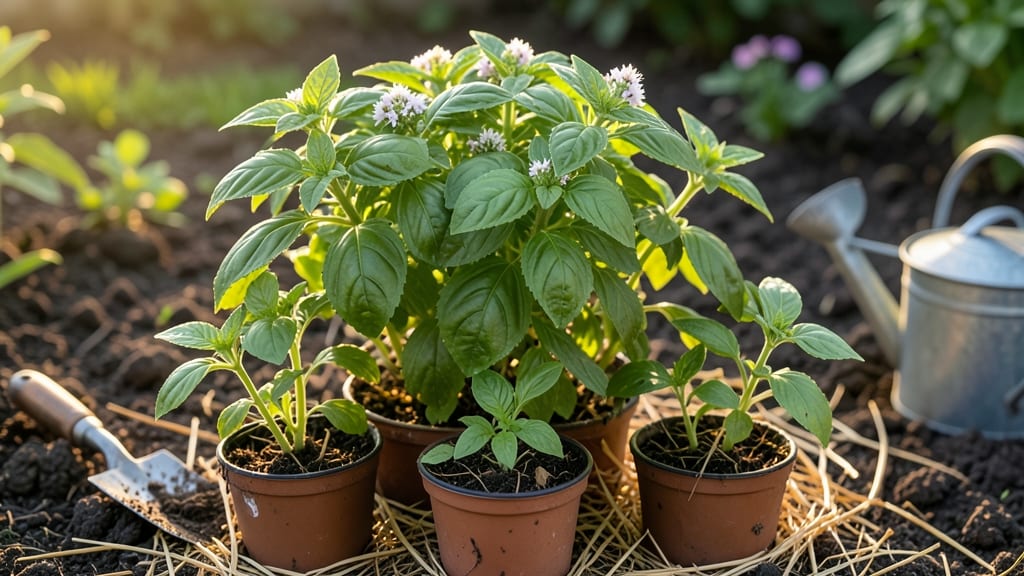
Timing your 🌿 basil planting in California isn’t just about the calendar—it’s about outsmarting the heat, avoiding bolted plants, and unlocking flavorful harvests all season long. Whether you’re in frost-prone Zone 5 or year-round Zone 10, the wrong move can turn your herb garden into a sad, bitter disappointment.
Here’s the secret: coastal areas like San Francisco can plant year-round, while inland deserts like Palm Springs need precise timing to beat the summer heat.
I’ll break down exactly when to start seeds indoors, when to transplant seedlings, and how to stretch your basil’s growing window—so you’re harvesting fresh leaves from April to November (or longer).
No more guessing games. You’ll learn how to read your microclimate, adjust for soil temperatures, and even use shade cloth to trick your plants into growing longer. Let’s dive into the California-specific strategies that’ll keep your basil thriving—and your kitchen stocked with the freshest flavor.
Ready to grow basil that tastes like a pro’s garden? The right timing makes all the difference, and I’ve got your step-by-step guide to get it right the first time.
California basil planting Zones: when to start indoors vs outdoors by region
California’s diverse microclimates mean the perfect time to plant basil varies dramatically from coastal San Francisco to scorching Palm Springs.
In USDA Zones 9-11 (most of CA), you can grow basil year-round, but timing still matters—plant too early in hot zones, and your basil bolts; too late in cooler areas, and frost ruins your crop.
Let’s break it down by region so you can harvest fresh basil all season.
For coastal areas (Zones 9-10), like San Francisco or Santa Barbara, the ideal planting window starts in late February to early March for outdoor sowing. These regions enjoy mild winters and cool summers, making them perfect for extended basil growth.
Inland valleys (Zones 8-9), such as Sacramento or Fresno, should wait until mid-March to early April to avoid late spring frosts, while desert areas (Zones 9b-11) can plant year-round but thrive best in fall or spring.
Here’s the region-specific breakdown you need to avoid bolting and maximize flavor:
| Region | USDA Zone | Last Frost Date | Outdoor Planting Window | Indoor Start (Transplant Out) |
|---|---|---|---|---|
| Coastal (San Francisco, Santa Barbara) | 9-10 | None (mild winters) | Late Feb–March (spring), Aug–Sept (fall) | Jan–Feb (transplant after March 15) |
| Central Valley (Sacramento, Fresno) | 8-9 | Mid-March | April–May (spring), Sept (fall) | Feb–March (transplant after April 1) |
| Desert (Palm Springs, Death Valley) | 9b-11 | None (year-round growing) | Fall (Sept–Oct) or Spring (March–April) | Year-round (transplant anytime) |
| Northern CA (Redding, Eureka) | 5-7 | Late April–May | May–June (spring), Aug–Sept (fall) | March–April (transplant after May 15) |
If you’re growing basil in containers or urban gardens, you can push these windows even further.
For example, Los Angeles (Zone 10) can plant basil in January for spring harvests or August for fall crops, while San Diego (Zone 10-11) can grow it year-round with proper shade in summer. The key is monitoring soil temperatures—basil thrives when soil is at least 60°F (15°C).
For indoor starts, begin seeds 6-8 weeks before your region’s last frost date. Use grow lights to provide 14-16 hours of light daily until seedlings are 2-3 inches tall with 2-3 true leaves. Harden them off for 7-10 days before transplanting outdoors after the last frost.
In desert regions, avoid planting outdoors in peak summer (June–August)—instead, grow basil in shade cloth or containers to prevent bolting.
Pro tip: Use shade cloth (30-50%) in hot inland areas during June–August to protect basil from bolting. This simple trick can extend your harvest by 4-6 weeks in regions like the Central Valley or deserts.
Pair this with consistent watering (deep watering every 2-3 days) to keep your basil lush and flavorful.
Remember, succession planting is your secret weapon for continuous basil harvests. In cooler zones (Zones 5-8), sow new seeds every <
How to extend basil’s growing season in California’s harsh climate
California’s climate throws basil a real curveball—too much sun or heat, and your plants bolt before you can say "pesto." But with the right strategies, you can enjoy fresh basil from early spring to late fall, even in the most challenging microclimates.
The key? Adapting your approach to your specific region’s heat and frost risks.
In coastal areas like San Diego or Santa Barbara, mild winters mean you can plant basil as early as January or February, while inland deserts like Palm Springs require waiting until March or April when soil temperatures rise.
For Central Valley gardeners, succession planting every 2–3 weeks ensures a continuous harvest.
Sow seeds every 2–3 weeks from March to September to maintain a steady supply. In Zone 10 (coastal), you can even plant a fall crop in August for harvests through October.
Use 30–50% shade cloth during peak summer months (June–August) to protect basil from bolting. Secure it 3–4 feet above plants to allow airflow and prevent fungal issues.
Grow basil in 5–7 gallon pots for easy relocation. Move containers to shadier spots during midday heat or place them under patio umbrellas for instant shade. Urban gardeners love this for balconies and rooftops!
In cooler zones (Zone 5–8), protect basil from light frosts with row covers or cold frames. For Zone 9–10, a simple mulch layer keeps roots warm during chilly nights.
Choose heat-tolerant varieties like 'Spicy Globe' or 'Lemon Basil', which handle dry spells better than traditional Genovese. Pair with drip irrigation for consistent moisture.
For Central Valley gardeners, focus on early spring and fall plantings to avoid the 100°F+ summers. Start seeds indoors in February and transplant outdoors after the last frost date (mid-March).
In Desert regions, prioritize morning sun and afternoon shade—basil thrives with 6+ hours of sun, but afternoon heat can scorch leaves.
Pro tip: Pinch off flowers as soon as they appear to redirect energy into leaf growth. This simple trick can extend your harvest by 2–3 weeks in hot climates. Pair this with regular pruning to encourage bushier, more productive plants.
With these strategies, you’ll enjoy fresh basil year-round—no bolting, no bitter flavors, just flavorful harvests straight from your garden. 🌿