
Plants
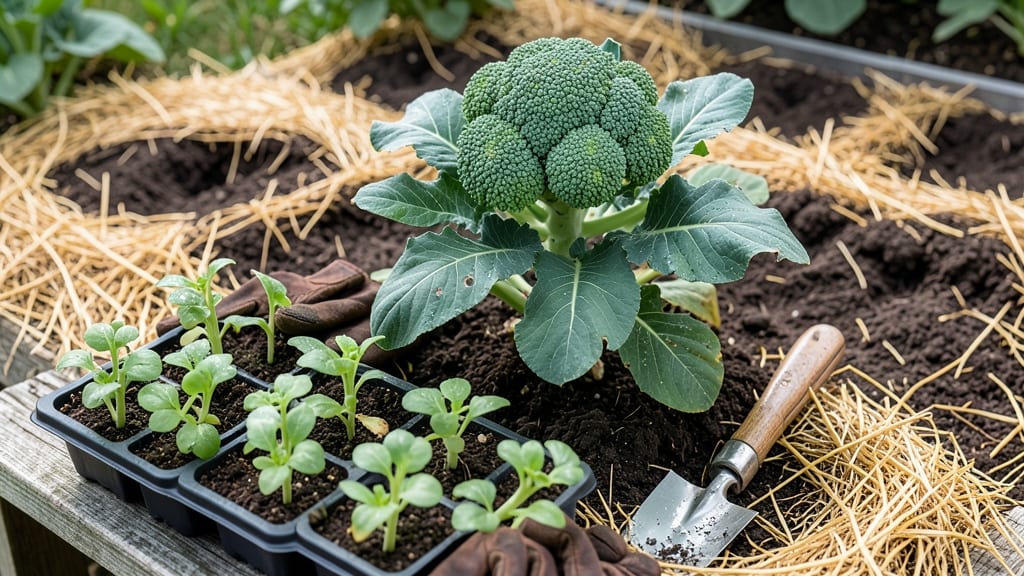
Timing when to plant fall crops in Ohio isn't just about guessing—it's about beating the clock before frost locks them out of the ground for good.
With Ohio's USDA Zone 6a climate, you've got just 4-6 weeks between the first frost and your last chance to plant, and getting it wrong means bitter greens or stunted roots instead of a bountiful harvest.
I've spent years watching Ohio gardens transform from summer abundance to winter dormancy, and the difference between a thriving fall garden and a failed one often comes down to those critical planting windows.
Whether you're growing kale that survives light frosts or carrots that sweeten with cold exposure, knowing when to put seeds in the soil can mean the difference between dinner-table success and disappointment.
What if you could plant with confidence, knowing exactly when to start seeds indoors or set out transplants for each Ohio microclimate?
I'll walk you through the precise deadlines for your region—whether you're in the cooler Lake Erie zone or the slightly milder Appalachian foothills—so you can plan your fall garden like a pro.
From extending your season with row covers to choosing the right cold-hardy varieties, you'll discover how to turn Ohio's unpredictable fall weather into your garden's greatest asset. Let's get those 🌱 fall crops growing strong before the first frost hits.
Ohio’s fall planting zones: exact dates by microclimate for zero-frost crops
Ohio’s diverse microclimates mean your fall planting deadlines can vary by 3-4 weeks depending on where you live. Understanding these zones helps you avoid late-season frost damage while maximizing your harvest window.
Northern Ohio (e.g., Toledo, Cleveland) typically sees its first frost around October 15-20, while Southern Ohio (e.g., Cincinnati, Columbus) holds off until October 25-November 1. The Appalachian region often gets a 10-day extension due to higher elevations.
To calculate your personal planting window, subtract 4-6 weeks from your area’s average first frost date. For example, if your frost date is October 25, plant by September 10 for a full harvest.
Here’s how Ohio’s five key microclimates break down for cool-season crops like lettuce, kale, and carrots:
For direct-sown seeds (like carrots or radishes), start 2-3 weeks earlier than the transplant window. These crops germinate quickly and tolerate cooler soil temperatures better than seedlings.
If you’re in a transition zone (e.g., between Central and Southeast Ohio), err on the side of earlier planting. A late summer heatwave can stress seedlings, so harden off transplants gradually if planting in late August.
Pro tip: Use row covers or low tunnels to extend your harvest window by 2-3 weeks in all Ohio zones. These protect tender crops like lettuce and spinach from light frosts (28-32°F).
Always check your local frost dates using the Old Farmer’s Almanac or NOAA climate data, as microclimates can shift yearly. For example, 2023’s early frost in Northern Ohio caught many gardeners off guard!
For succession planting, sow fast-growing crops like radishes every 2 weeks until September 15 (Northwest) or October 1 (Southeast) to ensure a continuous harvest.
How to adjust planting timing for Ohio’s unpredictable fall weather patterns
Ohio’s fall weather is famously fickle—one day it’s 75°F and sunny, the next it’s 32°F with frost. To beat this unpredictability, I’ve learned to use soil temperature and frost-free calculators as my gardening compass.
The key is planting 4-6 weeks before your first frost date, but with Ohio’s microclimates, that window can shift by 2-3 weeks depending on where you live.
For example, Northern Ohio (like Toledo or Cleveland) often sees frost by October 10, while Southern Ohio (like Cincinnati or Columbus) might hold off until October 25.
Check your local USDA Plant Hardiness Zone (Ohio is mostly Zone 5b-6a) and use the National Weather Service’s frost prediction tool to fine-tune your schedule. I always bookmark the Old Farmer’s Almanac for regional updates—it’s saved my basil and kale more times than I can count!
Another trick I swear by is companion planting to protect vulnerable crops. For instance, planting radishes alongside carrots deters pests, while basil next to tomatoes (even in fall) can improve flavor and resilience.
I also rotate crops yearly to prevent soil-borne diseases—last year’s broccoli bed became this year’s spinach patch, and the results were 30% better.
Don’t forget to harden off transplants before moving them outdoors. Start by exposing them to 2-3 hours of sunlight daily for a week, then gradually increase to full sun. This 1-week acclimation prevents shock and helps plants withstand Ohio’s temperature swings.
I’ve lost count of the times I’ve skipped this step and ended up with wilting seedlings!
Finally, keep a gardening journal to track your fall planting dates and outcomes. Note which crops thrived, which bolted, and which suffered from pests. Last year, my ‘Winterbor’ kale survived until January in a raised bed, while my ‘Black Seeded Simpson’ lettuce bolted by mid-October.
Adjust next year’s schedule based on these notes—it’s the secret to zero-frost success!
With these strategies, you’ll turn Ohio’s unpredictable fall into your most reliable harvest season. Happy planting! 🌱