
Plants
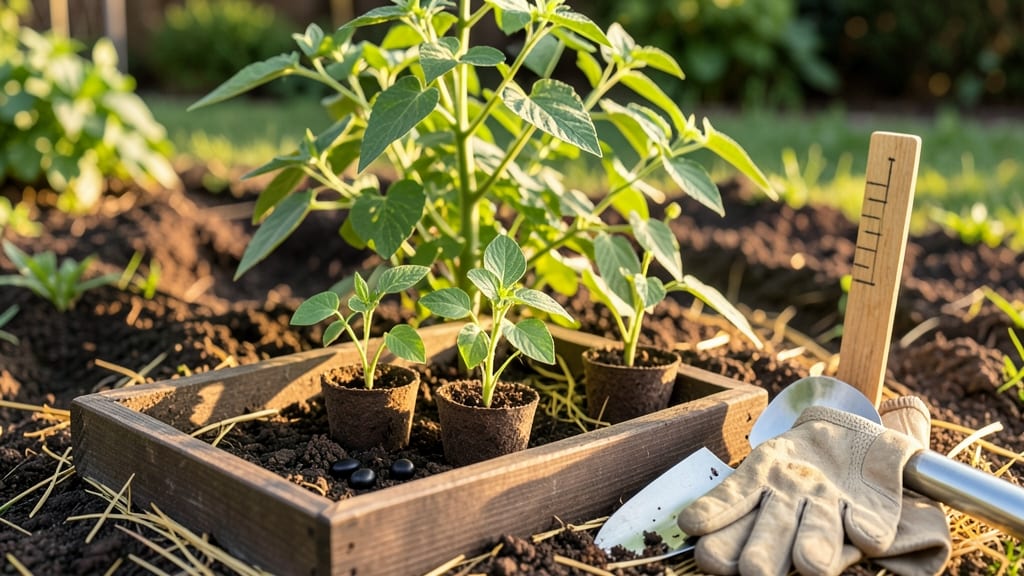
Mastering when to plant beans in California isn’t just about picking a month—it’s about outsmarting your local microclimate. Whether you’re battling coastal fog or desert heat, getting the timing wrong means bitter, bolted beans instead of tender pods.
The good news? With the right approach, you can turn your garden into a bean bonanza.
California’s diverse zones—from coastal areas where you can plant year-round to inland valleys with strict frost windows—demand precision. I’ll break down the exact months for each region so you can avoid common mistakes and maximize your harvest. No more guessing games!
We’ll also cover the best varieties for your zone and how to adjust planting dates when Mother Nature throws curveballs. Whether you’re growing pole beans or snap peas, these tips will help you harvest fresh, flavorful beans straight from your garden.
Ready to transform your garden into a bean-growing powerhouse? Let’s dive into the secrets of zero-bolt success—no matter where you live in California.
California’s bean planting zones: coastal vs. desert vs. valley timing
California’s microclimates create wildly different conditions for growing beans. Coastal areas like San Francisco enjoy mild winters with no frost risk, while inland valleys (think Sacramento) face cold snaps until March.
Meanwhile, desert regions like Palm Springs can plant beans in winter months when temperatures drop. Getting these zones right means the difference between tender, sweet pods and bitter, bolted failures.
Beans thrive when soil temperatures stay above 60°F. In coastal areas, this happens by February-March, while inland valleys wait until April-May. Desert regions can plant as early as November-December to escape summer heat.
Each zone also has unique frost risks—coastal gardens rarely see frost, but inland valleys can experience late frosts until February 15.
Here’s how to align your planting with California’s three key bean-growing zones, including soil temperature thresholds and frost-free windows:
| Zone | Optimal Planting Months | Soil Temp Threshold | Frost Risk | Harvest Window |
|---|---|---|---|---|
| Coastal (e.g., San Francisco, Santa Barbara) | February–October (year-round in mild winters) | 60°F+ (Feb–March) | None (USDA Zones 9–11) | June–November (60–80 days) |
| Inland Valleys (e.g., Sacramento, Fresno) | April–June (avoid late frosts) | 60°F+ (April) | High until Feb 15 | July–October (50–70 days) |
| Desert (e.g., Palm Springs, Yuma) | November–January (winter escape) | 50°F+ (Nov–Dec) | Low (USDA Zones 9b–11) | February–April (60–75 days) |
For coastal gardeners, the key is succession planting every 2–3 weeks from February through October. This ensures a continuous harvest and prevents bolting (when beans flower too quickly). Use row covers in early spring to warm soil faster if nights dip below 50°F.
Inland valleys should focus on late spring plantings (after May 15) to avoid frost. Choose heat-tolerant varieties like Romano beans or Scarlet Runner, which handle summer’s 90°F+ temperatures better than traditional snap beans. Mulch heavily to retain moisture and cool roots during heatwaves.
Desert regions must plant in winter to escape summer’s 110°F+ soil temps, which can kill seedlings. Start seeds indoors in October and transplant by November 1. Drip irrigation is a must—beans wilt quickly in desert heat, and even watering prevents bitter pods.
Pro tip: Use a soil thermometer to confirm temperatures before planting. Beans won’t germinate below 60°F, and waiting for the right conditions saves you from slow, uneven growth. Coastal gardeners can skip this step in mild winters, but inland and desert regions must monitor soil temps.
Remember, day length also matters. Longer summer days can trigger bolting in some varieties. For inland valleys, opt for determinate varieties (like Bush Blue Lake) that mature quickly before days stretch too long. In coastal areas, indeterminate varieties (like Kentucky Wonder) thrive with their extended growing season.
Finally, test your soil before planting—beans prefer slightly acidic to neutral pH (6.0–7.0). Amend with compost or aged manure to improve drainage, especially in clay-heavy inland soils. Well-prepared soil means faster germination and higher yields.
With these zone-specific strategies, you’ll avoid the #1 mistake California gardeners make: planting too early or too late. Timing is everything for zero-bolt, flavorful beans—and now you’ve got the exact windows for your microclimate. 🌱
How to adjust planting dates for zero-bolt beans in unpredictable weather
California’s weather can be as unpredictable as a toddler’s mood—one day it’s perfect growing conditions, the next it’s a late frost or a sudden heatwave. For beans, which bolt (flower prematurely) at the slightest stress, this unpredictability is a recipe for disaster.
But with a few smart adjustments, you can outsmart Mother Nature and keep your beans producing tender pods all season long.
First, focus on soil temperature. Beans need soil that’s at least 60°F (15°C) to germinate properly. If your spring starts chilly, use black plastic mulch or plant in raised beds to warm the soil faster.
This trick works wonders in coastal areas where fog delays warming. I’ve seen beans sprout in just 5-7 days when soil is pre-warmed this way!
Next, consider row covers. These lightweight fabric blankets protect young plants from late frosts (common in inland valleys) and even light frosts (yes, they happen in coastal areas too!).
Remove covers once plants are established to avoid overheating. For heat-sensitive varieties, like Romano beans, use shade cloth (30-50%) during peak summer to prevent bolting.
Watch Out for These Weather Pitfalls
- Late Frost: Coastal areas rarely see frost, but inland valleys can get surprise chills. Plant heat-loving varieties like Black Valentine after April 15.
- Heatwaves: Temperatures above 85°F (29°C) cause beans to bolt. Use drip irrigation and mulch to keep roots cool.
- Drought Stress: Even a week of dry weather can stunt growth. Water deeply 2-3 times per week during dry spells.
For succession planting, stagger your sowings every 2-3 weeks from March to July. This ensures a continuous harvest and reduces the risk of losing your entire crop to one bad weather event.
For example, plant pole beans in March, again in April, and a final batch in May. Each batch will mature at different times, giving you pods for months.
If you’re in a desert region, like the Coachella Valley, take advantage of winter’s cooler temps. Plant winter beans (like Blue Lake) in October or November for a spring harvest. These varieties thrive in 50-70°F (10-21°C) soil and avoid the summer heat that would otherwise send them bolting.
Finally, choose bolt-resistant varieties. Some beans, like Scarlet Runner or Kentucky Wonder, handle heat and humidity better than others. If you’re in a high-humidity area (like the Central Valley), opt for these tougher types.
Always check seed packets for days-to-maturity and plant accordingly to avoid overlapping harvests with bolting risks.