
Plants
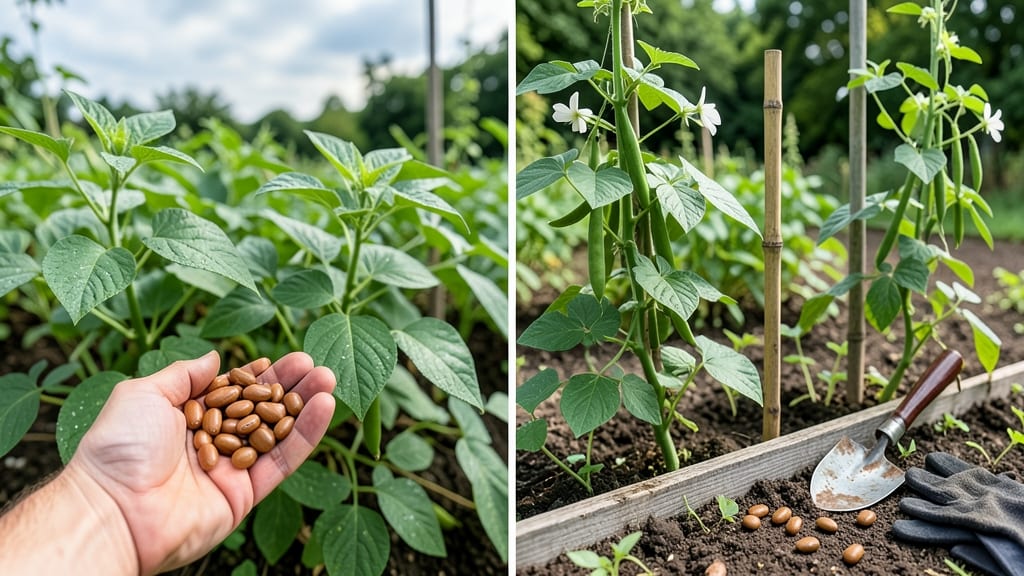
If you've ever watched your bean plants bolt before producing a single pod, you know the frustration of getting the timing wrong in Minnesota's unpredictable climate.
The key to avoiding this common mistake is understanding when to plant beans—because waiting until the soil warms up and frost risk fades makes all the difference between a bountiful harvest and wasted effort.
Here in USDA zones 4a-5b, where temperatures swing dramatically, planting too early can leave your 🌱 beans struggling in cold soil, while waiting too long might cut your harvest short.
The ideal window—mid-May to early June—balances warmth and daylight, but even then, regional variations mean gardeners in northern Minnesota should start slightly later than those in the Twin Cities.
What makes this even trickier is that not all bean varieties thrive in the same conditions. Cold-hardy types can handle early starts, while heat-loving varieties need perfect timing to avoid bolting.
I’ll break down the best strategies for your specific county, so you can plant with confidence and enjoy fresh beans from July through September.
Ready to master the art of bean planting? Let’s dive into the exact timing, soil conditions, and variety choices that will transform your Minnesota garden into a productive powerhouse—no more wasted seeds or missed harvests.
Minnesota’s bean planting heat zones by county (avoid bolting for sure)
Minnesota’s diverse climate means your bean planting timing should match your county’s last frost date and heat zone. Northern counties like Cook and St. Louis have shorter growing seasons, while southern areas like Olmsted and Fillmore enjoy longer harvest windows.
The key is planting after soil warms to 60°F—cold soil triggers bolting (premature flowering).
Use the USDA Plant Hardiness Zone Map (Zones 4a-5b in Minnesota) as a starting point, but focus on local frost data. The Minnesota State Climatology Office tracks average last frost dates, which typically range from May 1–15 in southern Minnesota to June 1–15 in the north.
For example, Twin Cities gardeners can plant beans by May 15, while Duluth gardeners should wait until June 1.
Here’s how to adjust planting times by region to avoid cold-induced bolting or late-season failures:
🌱 Minnesota Bean Planting Heat Zones by County
| County | USDA Zone | Avg. Last Frost | Ideal Planting Window | Cold-Hardy Varieties |
|---|---|---|---|---|
| Cook (International Falls) | 4a | June 1–15 | June 1–15 (soil >60°F) | ‘Tendergreen’ (bush), ‘Kentucky Wonder’ (pole) |
| St. Louis (Duluth) | 4b | May 25–June 5 | June 1–10 | ‘Blue Lake’, ‘Provider’ (bush) |
| Hennepin (Minneapolis) | 4b | May 10–20 | May 20–June 5 | ‘Contender’, ‘Blue Lake’ |
| Ramsey (St. Paul) | 4b | May 10–20 | May 20–June 5 | ‘Kentucky Wonder’, ‘Romano’ |
| Olmsted (Rochester) | 5a | May 1–10 | May 10–25 | ‘Blue Lake’, ‘Tendercrop’ |
| Fillmore (Lanesboro) | 5b | April 25–May 5 | May 1–15 | ‘Provider’, ‘Blue Lake’ |
🌡️ Pro Tip: Use a soil thermometer to confirm soil temps before planting—cold soil = bolting risk!
For northern Minnesota (Zones 4a-4b), focus on cold-tolerant varieties like ‘Tendergreen’ or ‘Kentucky Wonder’. These varieties handle cooler soils better and produce earlier harvests before the short season ends.
In southern Minnesota (Zone 5a-5b), you can experiment with heat-loving varieties like ‘Blue Lake’ or ‘Romano’, which thrive in warmer conditions.
If you’re in a transition zone (e.g., Anoka or Scott County), err on the side of planting later. A 5-day delay can mean the difference between bolting and a healthy harvest.
Monitor local frost forecasts from the National Weather Service and adjust your planting date if late frosts are predicted.
For container gardening in Minnesota, start seeds indoors 4–6 weeks before your county’s last frost date. Use biodegradable pots to transplant seedlings outdoors after the last frost. Containers warm up faster than soil, giving you a 2-week head start in cooler areas like St. Louis County.
Remember: Succession planting is your best friend in Minnesota. Plant every 2 weeks from May to July to ensure a continuous harvest until the first frost. This works especially well for
How to time bean plantings for maximum yield (even in short seasons)
Timing your bean plantings isn't just about avoiding frost—it's about maximizing your harvest window in Minnesota's short growing season. Since we only have about 165 frost-free days, every week counts.
The key is to stagger your plantings so you're harvesting fresh pods from July through September instead of getting one big crop and then nothing.
Start your first planting when soil temperatures hit at least 60°F—usually mid-May in southern Minnesota and late May in the north. For a continuous supply, make successive plantings every 2-3 weeks until early July. This works especially well for bush beans, which mature faster than pole varieties.
Here's my proven strategy: Plant 1/3 of your seeds at the first opportunity, then another 1/3 two weeks later, and the final 1/3 four weeks after that. This ensures you'll have beans ready to harvest at different times, preventing glut and waste.
For pole beans, which take longer to mature, you might only want two plantings—once in early June and again in mid-July.
- First Planting: Mid-May (when soil reaches 60°F) - 45-50 day varieties
- Second Planting: Late May/Early June - 50-55 day varieties
- Third Planting: Mid-June - 55-60 day varieties
- Fourth Planting (optional): Early July - cold-tolerant varieties
Don't forget about succession planting for late-season varieties. If you have space, try planting cold-tolerant varieties like 'Provider' or 'Black Turtle Soya' in early July. These can handle cooler temperatures better and might give you a harvest in September when other varieties would have given up.
For gardeners with short seasons, trellising is your best friend. Pole beans grow vertically, saving space and allowing you to plant closer together. They also tend to mature slightly later than bush beans, extending your harvest window.
Install trellises at planting time—beans will naturally climb as they grow, and you'll save yourself the trouble of staking later.
Remember, beans are heat-sensitive—they'll bolt if temperatures exceed 85°F for prolonged periods. If you're planting in August, choose heat-tolerant varieties like 'Blue Lake' or 'Kentucky Wonder' and provide afternoon shade if possible. With these strategies, you'll turn Minnesota's short season into a bean-producing powerhouse!