
Plants
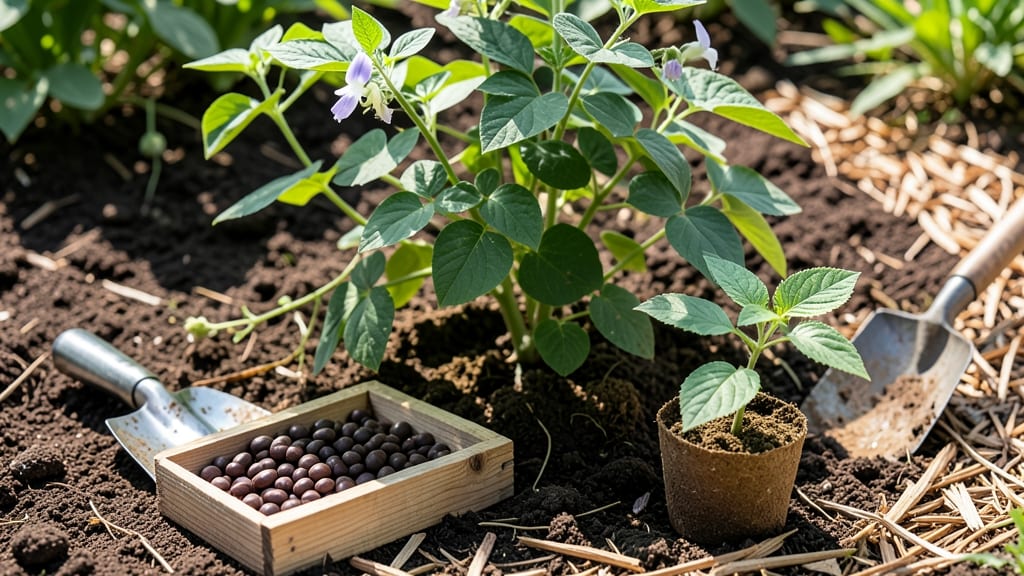
Timing your bean planting in Colorado isn’t just about waiting for spring—it’s about dodging bolting and frost to guarantee a bountiful harvest. Miss the April 15-June 15 window, and you’ll either freeze tender seedlings or watch your plants flower too early for pods.
The key? Planting when soil hits 60°F and last frost has passed—no guesswork, just data.
In USDA zones 5-7, your exact deadlines depend on elevation and microclimates, whether you’re on the Front Range or Western Slope. I’ll break down the spring vs. fall strategies that work in Colorado’s short growing season, so you can extend harvests well into September without risking failure.
You’ll also discover the best varieties for Colorado’s climate, from cold-hardy bush beans to heat-tolerant pole beans, and how to avoid common mistakes like planting too early. Let’s turn your bean garden from a gamble into a guaranteed success—starting with the right timing.
Ready to grow beans that thrive? The clock is ticking, and the soil is waiting for your perfect window. Let’s get planting!
Colorado bean planting deadlines by region: spring vs fall timing
Colorado’s diverse climate—from the Front Range’s cooler springs to the Western Slope’s earlier warming—means your bean planting timeline should match your USDA zone. Get it wrong, and you’ll either lose seedlings to frost or watch your plants bolt before producing pods.
Let’s break down the exact windows for each region, including fall alternatives to extend your harvest.
Most Colorado gardeners focus on spring planting, but fall beans can thrive in warmer microclimates like Denver or Colorado Springs. The key is timing: plant too early, and frost zaps your seedlings; too late, and heat triggers bolting (premature flowering).
Below, I’ve mapped out region-specific deadlines based on average last frost dates and soil temperature trends.
🌱 Visual Guide: Use this table to find your region’s planting windows, soil temperature thresholds, and fall backup options. Bookmark it for quick reference during your next garden planning session!
| Region | USDA Zone | Spring Planting Window | Soil Temp Threshold | Fall Planting Window | Notes |
|---|---|---|---|---|---|
| Front Range (Denver, Boulder) | 5-6 | May 1 - May 15 | 60°F+ | August 15 - September 1 | Use black plastic mulch to warm soil early. |
| Western Slope (Grand Junction, Aspen) | 6-7 | April 15 - April 30 | 55°F+ | September 1 - September 15 | Longer growing season; try heat-tolerant varieties. |
| Eastern Plains (Colorado Springs, Pueblo) | 5-6 | April 20 - May 10 | 58°F+ | August 1 - August 15 | Windbreaks help protect young plants. |
| High Elevation (Fort Collins, Steamboat) | 4-5 | May 15 - June 1 | 65°F+ | Not recommended | Short season; opt for fast-maturing varieties. |
For Front Range gardeners (Denver/Boulder), aim to plant bush beans by May 1—any later, and you risk bolting before harvest. Pole beans, which take longer to mature, should go in by April 20 if you’re using row covers to extend the season.
Pro tip: Test your soil temperature with a thermometer; beans need 60°F+ to germinate reliably.
In warmer zones like the Western Slope, you can push spring planting to April 15 and even try a fall crop by September 1.
The Eastern Plains (Colorado Springs/Pueblo) offer a middle ground, with April 20 as your cutoff for spring. High-elevation areas (Fort Collins, Steamboat) are trickier—wait until May 15 or later, and choose fast-maturing varieties like ‘Provider’ or ‘Blue Lake’.
Don’t overlook fall planting! In zones 6-7, you can sow beans as late as September 1 for a second harvest before frost. Use black plastic mulch to keep soil warm and row covers to shield young plants from early autumn chills.
Just avoid planting after August 15 in cooler zones—your plants won’t have time to mature before frost hits.
Colorado’s unpredictable weather means even the best-laid plans can go awry. To hedge your bets, I recommend sowing seeds indoors 2-3 weeks before your region’s last frost date, then transplanting hardened-off seedlings after the soil warms to 60°F. This buys you extra time to adjust for
How to avoid bolting in Colorado’s unpredictable climate
Bolting—the sudden rush to flower—can turn your bean plants into seed producers before you get a single pod. In Colorado’s unpredictable climate, where temperatures swing from freezing nights to scorching afternoons, preventing bolting requires strategy.
The good news? With the right soil temperature management, variety selection, and mulching techniques, you can keep your beans focused on pods instead of flowers.
First, understand that beans bolt when stressed—whether by heat stress, cold snaps, or drought conditions. In Colorado, the most common trigger is soil temperatures above 80°F or daytime temps exceeding 90°F.
If your plants start sending up flower stalks before pods form, it’s a sign you’ve missed the optimal planting window or your soil is too warm. The solution? Plant when soil hits 60-70°F and use shade cloth during heatwaves.
🌱 Pro Tip: Use this bolting prevention