
Plants
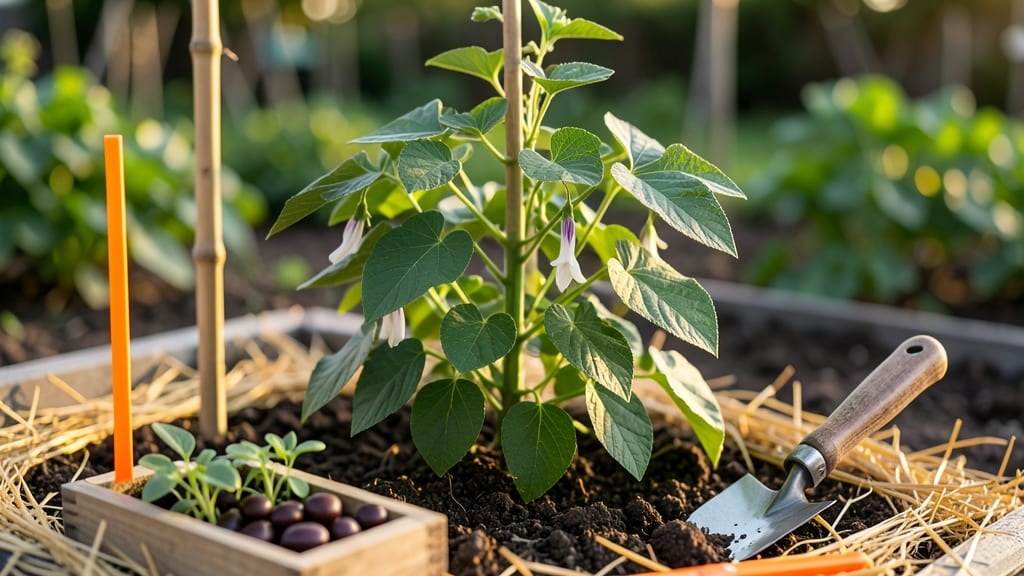
Timing your 🌱 beans planting in Kentucky isn’t just about checking a calendar—it’s about beating frost, warming up the soil, and picking the perfect window to avoid stunted growth or wasted effort.
With Kentucky’s 6a-7a climate, you’ve got a narrow but critical mid-April to early June stretch to get seeds in the ground before summer heat sets in.
Most gardeners make one of two mistakes: planting too early when the soil is still chilly, or waiting too long and missing the sweet spot for 60°F+ temperatures. The right timing means the difference between a bumper crop and a sad, leggy failure.
I’ll show you exactly when to start—plus how to adjust for Kentucky’s microclimates where frost can linger in some areas long after it’s gone in others.
Whether you’re growing bush beans for quick harvests or pole varieties for a longer season, knowing your last frost date and soil conditions is the key to success.
Let’s break down the best weeks to plant, which varieties thrive in Kentucky’s heat, and how to stretch your harvest from June through October.
Ready to turn your garden into a bean bonanza? You’ll walk away with a clear planting schedule, pro tips to avoid common pitfalls, and confidence that your 🌱 beans will grow strong—no guesswork required.
Kentucky’s bean planting zones: when to start by region
Kentucky’s diverse geography—from the humid Bluegrass Region to the drier Cumberland Plateau—means last frost dates and soil warming rates vary dramatically. Planting beans too early in Zone 6a (eastern KY) risks frost damage, while Zone 7a (western KY) may need staggered plantings to extend harvests.
Let’s break down the optimal planting windows for each microclimate.
For Northern Kentucky (Bluegrass Region), aim for mid-April to early May once soil temperatures hit 60°F+. This area’s average last frost date is April 15th, but cold snaps can linger.
Southern Kentucky’s Pennyrile Plateau warms faster, allowing late April to early June plantings, with a June 1st cutoff for heat-tolerant varieties.
Here’s how Kentucky’s three key regions compare for bean planting success:
| Region | Avg. Last Frost | Optimal Planting Window | Soil Temp. Threshold | Fall Option? |
|---|---|---|---|---|
| Bluegrass Region (Lexington, Louisville) | April 15 | Mid-April to early May | 60°F+ | Late July |
| Pennyrile Plateau (Paducah, Bowling Green) | April 1 | Late April to early June | 65°F+ | Early August |
| Cumberland Plateau (Corbin, Williamsburg) | April 22 | Early May to late May | 60°F+ | None (short season) |
Use a soil thermometer to confirm readiness—beans won’t germinate below 55°F. In Zone 6a, cover seeds with row fabric if planting early to protect from late frosts. For Pennyrile’s warmer microclimate, prioritize heat-tolerant varieties like ‘Blue Lake’ or ‘Roma’ to avoid bolting in June’s heat.
Kentucky’s fall planting window is limited but possible in southern regions. Try late July sowings for bush beans, aiming to harvest before first frost (mid-October). Northern gardeners should skip fall plantings—the season’s too short for reliable yields.
Pro tip: Stagger plantings every 2-3 weeks in May to extend harvests. This works especially well for pole beans, which produce over a longer period than bush varieties. Just ensure each batch gets full sun and consistent moisture to avoid uneven growth.
Watch for localized frost pockets in valleys or low-lying areas. These spots can frost 1-2 weeks later than surrounding regions, so plant 2 weeks later in these zones. Use weather station data (like Kentucky Mesonet) to track real-time conditions.
If you’re in transition zones (e.g., near the Tennessee border), err on the side of planting later. The extra 10-14 days of warmth ensures better germination and stronger plants. Remember: Beans hate cold soil—rushing them leads to rot or poor establishment.
For container growers, start seeds indoors 4-6 weeks before your region’s last frost date. Use biodegradable pots to transplant seedlings without disturbing roots. This method buys you 2-3 extra weeks of growing time in Kentucky’s shorter seasons.
🌱
Best bean varieties for Kentucky’s short season and how to time them
Kentucky’s short growing season and hot summers demand smart bean variety choices. Bush beans like Blue Lake mature quickly (50-60 days), while pole beans like Kentucky Wonder (60-70 days) stretch harvests higher.
For heat tolerance, opt for black turtle beans or pinto beans—they thrive in Kentucky’s 85°F+ peaks better than delicate snap peas.
Your planting timing depends on the variety. Cool-season beans (like wax beans) can handle 55°F soil, while heat-lovers (like yard-long beans) need 70°F+ to germinate. Stagger plantings every 2 weeks from mid-April to early June to enjoy fresh pods from June through October.
Here’s how to match varieties to Kentucky’s planting windows for maximum yield:
| Variety | Days to Maturity | Best Planting Window | Harvest Window | Kentucky Tip |
|---|---|---|---|---|
| Blue Lake Bush | 55-60 days | Mid-April to May 15 | June-August | Plant early for cool soil |
| Kentucky Wonder Pole | 60-70 days | May 1 to June 1 | July-September | Trellis for space saving |
| Black Turtle | 70-80 days | Late May to June 15 | August-October | Heat-resistant variety |
| Pinto | 65-75 days | May 15 to June 10 | July-September | Drought-tolerant |
For a fall harvest, try a late planting of wax beans in late July. These varieties handle Kentucky’s high humidity better than others, reducing bean blight risks. Always choose heirloom seeds adapted to Kentucky’s climate for better disease resistance.
Pro tip: Save seeds from your best-performing plants! Kentucky’s short season rewards early planning—start with fast-maturing varieties, then extend with heat-tolerant types. With the right timing, you’ll enjoy fresh beans for 4+ months—no grocery store needed.
🌱