
Plants
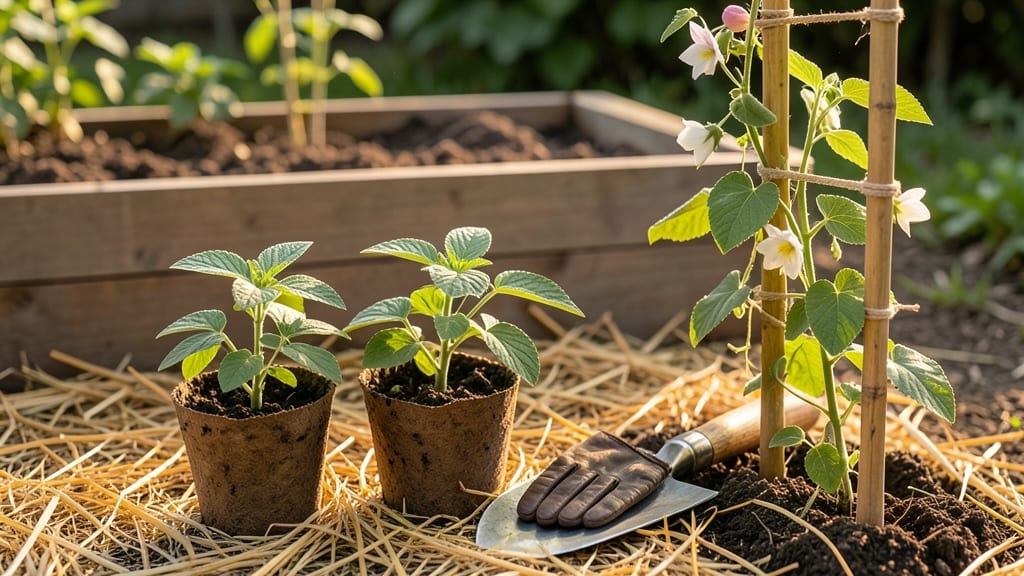
Timing your beans 🌱 planting in Massachusetts can make or break your harvest—get it wrong, and you’ll either wait forever for germination or watch your plants wilt in the heat.
The key isn’t just avoiding frost; it’s knowing when your soil finally warms up to 60°F, a threshold most gardeners miss until it’s too late.
Here’s the secret: Massachusetts’ USDA Zones 5b-7a have two perfect windows—spring (after April 15) and fall (August 1 onward)—but coastal areas like Boston warm up faster than inland spots like Worcester.
I’ll show you how to read your soil’s temperature cues and pick the right varieties for your microclimate, so you can start harvesting by June.
Whether you’re a first-time gardener or a seasoned pro, this guide cuts through the guesswork. You’ll learn which bean types thrive in MA’s short season, how to test soil readiness without a fancy thermometer, and even how to stretch your harvest into October with simple tricks.
Let’s get those seeds in the ground at the perfect moment.
No more waiting around or watching your plants struggle—just reliable, zone-specific advice that actually works for Massachusetts gardeners. Ready to grow beans like a local?
Massachusetts bean planting calendar: soil temperature thresholds by hardiness Zone
Massachusetts spans USDA Zones 5b-7a, meaning your planting window shifts dramatically between coastal areas like Cape Cod and inland regions near Worcester or Springfield. The golden rule for beans: wait until soil reaches 60°F+—cold soil delays germination or causes rot.
In Zone 5b, this typically means planting after May 1, while Zone 7a gardeners can start as early as April 15 in sheltered microclimates.
Coastal areas (e.g., Boston, Provincetown) often have 1-2 weeks later planting windows due to cooler ocean breezes. Inland valleys like the Connecticut River region can push planting to March 20-April 1 if using black plastic mulch to warm soil faster.
Always check your local frost-free date—Massachusetts averages April 15 for the last frost, but microclimates vary wildly.
For a foolproof approach, use the "50°F soil rule": Test soil depth with a thermometer at 2 inches deep. If it’s below 50°F, beans won’t germinate well. In Zone 6 (most of MA), this usually aligns with late April to early May.
Pro tip: Plant pole beans slightly earlier than bush varieties—they tolerate cooler soil better.
Don’t overlook fall planting! In Zone 7a, you can sow beans August 1-September 15 for a late harvest before the first frost (October 15). Use fast-maturing varieties (50-55 days) like ‘Blue Lake’ to ensure pods ripen before cold sets in.
🌱 Massachusetts Bean Planting Summary Table
| Zone | Soil Temp Threshold | Spring Planting Window | Fall Planting Window | Microclimate Notes |
|---|---|---|---|---|
| 5b (Northwest MA) | 60°F+ (2 inches deep) | May 1 - May 15 | August 15 - September 1 | Cooler soils; use black mulch |
| 6a (Central MA) | 55°F+ (2 inches deep) | April 20 - May 10 | August 1 - August 31 | Warm up faster inland |
| 6b (Southeast MA) | 58°F+ (2 inches deep) | April 15 - April 30 | July 31 - September 10 | Coastal delays; watch for fog |
| 7a (South Coast) | 55°F+ (2 inches deep) | April 1 - April 15 | August 15 - October 1 | Longest growing season |
💡 Pro Tip: Use a soil thermometer for accuracy—don’t guess!
If you’re in Zone 6b or 7a and want to maximize harvests, try succession planting: Sow seeds every 2 weeks from April through June. This staggering ensures a continuous supply of fresh pods.
For example, plant ‘Kentucky Wonder’ pole beans on April 15, May 1, and May 15—each batch will mature at different times, giving you beans from July through September.
For container gardening in urban areas (e.g., Boston, Cambridge), start seeds indoors 4-6 weeks before your last frost date. Use biodegradable pots to transplant seedlings directly into the ground after soil warms.
Containers heat up faster than soil, so monitor closely—you can plant them out 1-2 weeks earlier than direct-sown seeds.
Remember: Late May is the safest bet for most of Massachusetts. By then, soil has warmed, and the risk of frost has passed. If you’re eager to plant earlier, use row covers or cold frames to protect seedlings from unexpected chilly nights.
These simple tools can extend your season by 2-3 weeks in cooler zones.
Finally, track your local historical frost dates using resources like the Massachusetts Horticultural Society or UMass Extension. Their data shows that coastal areas can have 10-14 days later planting windows than inland spots—so don’t rely on generic calendars! Adjust your timeline based on 3-year averages for your specific town.
Signs your Massachusetts soil is ready for beans (beyond the calendar)
Checking soil temperature with a simple thermometer is the most reliable way to confirm beans are ready. Aim for 60°F+ at least 1 inch deep—this triggers germination. My digital soil thermometer (under $15) has saved me from planting too early when chilly nights linger.
If you don’t have a thermometer, watch for natural indicators. Daffodils blooming means soil is warming, but earthworms are the ultimate sign—active worms mean soil is 50°F+ and ready for seeds. I’ve planted beans after seeing worms surface in my clay-heavy Boston garden.
Check 60°F+ at 1" depth using a digital thermometer ($15).
Yellow daffodils signal 55°F+ soil—wait 1-2 weeks for beans.
Active worms mean 50°F+—safe for cold-hardy varieties like 'Provider'.
Press leaves—if they spring back, soil is warm enough.
Massachusetts’ sandy coastal soils (like Cape Cod) warm faster than clay-rich inland areas (Western MA). I’ve planted beans in early May on the coast but waited until mid-June inland—the difference is 2-3 weeks.
Test your soil type by squeezing a handful: if it crumbles, it’s sandy; if it sticks, it’s clay.
For container gardening, fill pots with well-draining mix and place them in sunny spots (like balconies) where they absorb heat faster. My 5-gallon pots hit 60°F 3-4 days earlier than ground soil in Zone 6. Use a thermometer probe to check container warmth.
Finally, avoid planting after heavy rain—waterlogged soil stays cold. I once planted beans after a 3-day downpour in June and waited 10 days for germination. Let the soil dry slightly (moist but not soggy) before sowing for faster sprouts.
Pro tip: If your soil feels too cold, use black plastic mulch to warm it 5-10°F faster. I cover my beds 1 week before planting and see noticeable temperature spikes by mid-morning.