
Plants
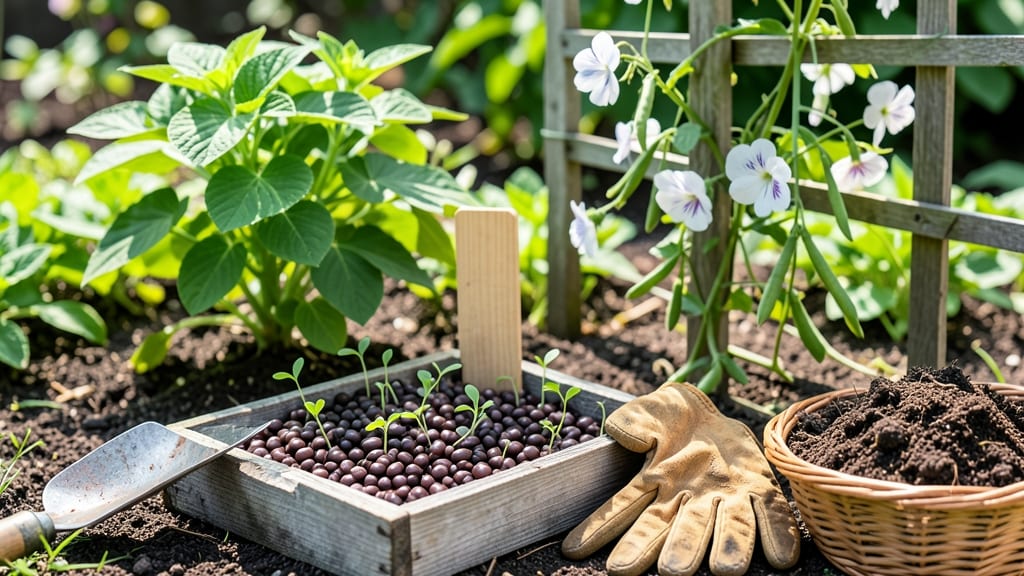
Timing your bean planting in Zone 7 can mean the difference between a bumper crop and a disappointing harvest—get it wrong, and you risk stunted growth or pest attacks. The key to success lies in understanding when your soil is truly ready, not just following calendar dates.
In Zone 7 (General), where average last frosts hit around April 15, waiting for the right conditions is everything.
Beans 🌱 thrive when soil temperatures climb above 60°F, signaling the perfect moment to drop seeds into the earth. While spring planting (April-June) is classic, fall planting (August-September) can extend your harvest into October or November.
But here's the catch: rushing too early can leave your plants vulnerable to chilly nights, while waiting too long might mean missing the ideal window entirely.
I'll walk you through the exact soil warmth test you need, plus the precise planting windows for both spring and fall in Zone 7. No more guesswork—just a straightforward guide to help you grow beans that are faster, healthier, and ready to harvest at the perfect moment.
Whether you're a seasoned gardener or just starting out, these insights will help you learn how to time your plantings like a pro. Let's get those beans growing the right way!
Zone 7 bean planting dates: exact calendar & soil temperature rules
Beans are warm-season crops that thrive when soil temperatures consistently hit 60°F or higher. In Zone 7, this typically aligns with mid-April through June for spring planting, but soil temperature is more critical than calendar dates alone.
Missing the window risks slow germination or seed rot, while planting too early exposes tender seedlings to late frosts.
For fall planting, aim for August to early September—early enough for beans to mature before first frost (usually mid-October in Zone 7). Fall beans often produce sweeter pods since they grow in cooler weather.
However, avoid planting after September 15, as beans need 60-80 days to harvest, and nights grow shorter.
Your last frost date in Zone 7 is around April 15, but don’t rush to plant. Beans won’t germinate well in cold soil. Instead, wait for soil warmth—a simple test with a soil thermometer (or even a DIY candle trick) will save you from wasted seeds.
I’ve learned the hard way that calendar dates alone won’t cut it!
Microclimates in Zone 7 can shift planting windows by 2-3 weeks. If you’re in a cooler microclimate (like a shaded valley), wait until May 1 for spring planting. Conversely, warmer microclimates (like urban heat islands) may allow planting as early as late March if soil is warm enough.
Observe your garden’s behavior over a few years to refine your timing.
Pole beans and bush beans have slightly different timing needs. Pole beans, which climb trellises, often mature 10-14 days slower than bush beans due to their larger size. Start pole beans 1 week earlier in spring to ensure they have enough time to vine and produce pods.
Fall planting? Both types can work, but pole beans may struggle in shorter daylight, so prioritize bush varieties for late-season harvests.
Succession planting is a game-changer for Zone 7 gardeners. After your first planting, sow new seeds every 2 weeks until mid-July to stretch your harvest. This works especially well for bush beans, which mature quickly (50-60 days).
For pole beans, limit succession plantings to once or twice—their longer growth cycle makes it harder to fit multiple harvests before frost.
One mistake I see often? Planting beans too close together to save space. Crowded beans compete for nutrients and sunlight, leading to smaller pods and more disease. Space bush beans 3-4 inches apart in rows 18 inches apart, and give pole beans 4-6 inches apart with trellis support.
Thin seedlings to avoid overcrowding—it’s worth the effort for bigger yields!
Frost-sensitive beans can’t handle temperatures below 50°F. If a late frost threatens, cover seedlings with row fabric or a cloche until temperatures stabilize. For fall plantings, use black plastic mulch to warm the soil and extend the season by 2-3 weeks.
I’ve had success with this trick in my Zone 7b garden, adding an extra month to my harvest.
Here’s a quick rule of thumb: If your morning lows are consistently above 55°F and soil is 60°F+, it’s time to plant. Combine this with your local frost-free days (Zone 7 averages 180 days) to calculate your ideal window.
For example, if you plant on May 1, you’ll have enough time for a 60-day variety to mature before frost.
Remember, beans are self-pollinating, so isolation isn’t an issue like with squash or cucumbers. Focus instead on soil prep: mix in compost and a balanced fertilizer (5-10-10) at planting to give them a nutrient boost. Avoid fresh manure—it can burn young roots and delay germination.