
Plants
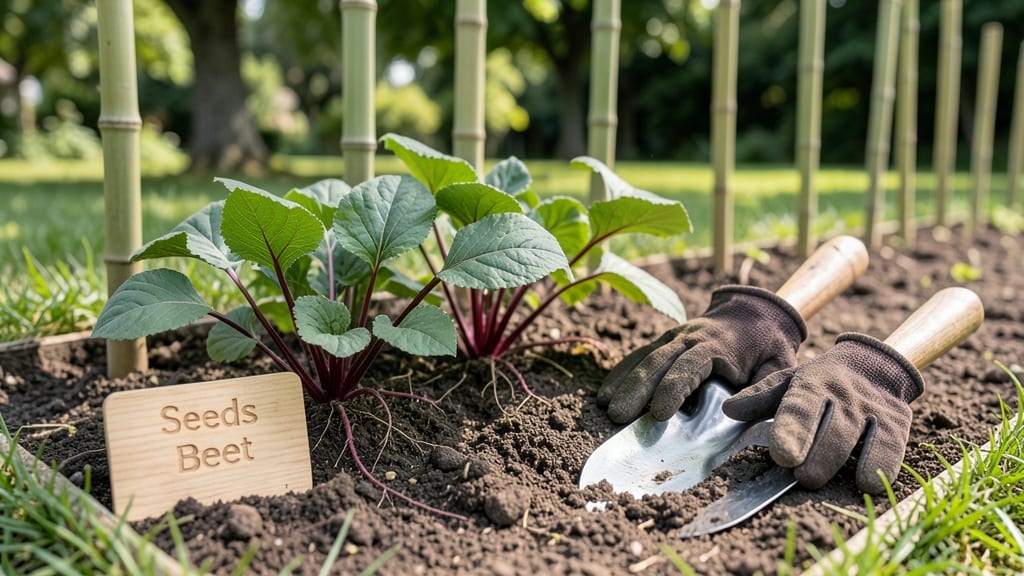
If you’ve ever planted beets in Central Texas only to watch them bolt into bitter, stringy messes by summer, you’re not alone.
The secret to growing sweet, tender 🥕 beets here lies in timing—specifically, knowing when to plant them so they thrive in our USDA Zone 8a heat instead of fighting it.
Most gardeners assume beets are a cool-weather crop, but with the right varieties and planting strategy, you can actually grow them successfully in Central Texas—just not during the peak heat.
The ideal window is narrow: September to October for fall harvests and February to March for spring, when soil temperatures stay mild enough to prevent bolting.
Why does this matter? Because planting too early or too late can turn your beets into woody, tough roots or send them shooting up into seed stalks before you even harvest.
I’ll break down the exact months to avoid, the best heat-tolerant varieties for Texas, and how to stretch your harvest season with simple tricks like mulching and succession planting.
Ready to grow beets that actually taste like beets? Let’s dive into the game-changer planting schedule that works for Central Texas gardens—no guesswork, just results.
Best planting months for beets in Central Texas (avoiding bolting & heat stress)
Central Texas gardeners face a unique challenge with beets—our 90°F+ summers and USDA Zone 8a climate push these cool-season crops to their limits. The key to success?
Planting during two narrow windows when soil temperatures stay between 50°F and 75°F—any hotter, and your beets will bolt (shoot up into seed stalks) or develop tough, woody roots.
For most of Central Texas (including Austin, San Antonio, and Waco), the ideal planting months are September to October for fall harvests and February to early March for spring.
These windows align with cooler temperatures and shorter daylight hours, which naturally slow beet growth and prevent bolting. Miss this timing, and you’ll struggle with heat-stressed plants.
Here’s why timing matters so much: Beets are day-length sensitive. When days exceed 14 hours of sunlight (common in Texas summers), they trigger bolting.
In Central Texas, this happens around late March to early April, cutting off your growing season unless you use shade cloth or choose heat-tolerant varieties.
Let’s break down the exact planting schedule, including how to adjust for your specific location in Central Texas. Use this summary table as your quick-reference guide:
Pro tip: Use a soil thermometer to confirm temperatures before planting. Ideal soil temps for beet seeds are 50°F–75°F. If your soil runs hotter (common in late spring), wait until evening temps drop below 80°F before sowing.
In Central Texas, this usually means holding off until late September or early February.
For gardeners in higher-elevation areas (e.g., Austin hills), you can push fall planting slightly later—into early October—because nights cool faster. Conversely, low-lying areas (e.g., San Antonio) may need to start seeds by mid-September to avoid heat stress. Adjust based on your microclimate!
Another critical factor is first frost dates. In Central Texas, the average first frost hits around December 1, giving you a 120-day window from planting to harvest if you start in September.
Plan accordingly to avoid losing your crop to cold snaps. Use row covers if frost threatens early harvests.
If you’re eager to grow beets year-round, focus on succession planting in fall (every 2–3 weeks from September to October) and spring (February to March). This staggered approach ensures a steady supply of fresh beets without overwhelming your garden at once.
Just remember: never plant beets in June, July, or August—they’ll bolt within weeks.
Finally, pair your planting schedule with heat-tolerant varieties (like ‘Detroit Dark Red’ or ‘Chioggia’) to maximize success. These varieties handle Central Texas’ 95°F+ heat spikes better than standard types. We’ll cover the top 3 varieties in the next section—stay tuned!
Best planting months for beets in Central Texas (avoiding bolting & heat stress)
Central Texas gardeners know the drill: plant beets too early, and they bolt into bitter greens before you can harvest. Plant too late, and the summer heat turns your roots into tough, woody disappointments.
The sweet spot for beets here is September through October for fall harvests and February to March for spring, when soil temperatures stay below 75°F—the threshold that triggers bolting.
Why these months? Beets thrive in cool but not freezing conditions. In Central Texas (USDA Zone 8a/b), average soil temps drop below 70°F in September and stay there until November, giving you a 10-12 week window before winter sets in.
Spring planting works similarly: aim for February when last frost dates are past (around February 15 in most of Central Texas), but don’t wait past early March or the heat will stress your seedlings.
Here’s the non-negotiable timeline to avoid common mistakes:
- August (risky): Only try if you’re using heat-tolerant varieties and provide shade cloth (see Section 3 for tips).
- September-October (ideal): Perfect for fall harvests before first frost (December 1).
- November (late but possible): Plant fast-maturing varieties (e.g., ‘Babybeat’) for early winter harvests.
- April-May (too late): Avoid—summer heat arrives by June, and beets won’t survive.
| Planting Window | Soil Temp Range | Harvest Window | Key Considerations |
|---|---|---|---|
| September 1–15 | 65–75°F | November–December | Best for full-size roots; mulch to retain moisture. |
| September 15–30 | 60–70°F | October–November | Ideal for baby beets; faster growth. |
| February 1–15 | 55–65°F | April–May | Avoid if frost is forecast; use row covers. |
| March 1–15 | 60–70°F | May (risky) | Last chance; harvest quickly before heat stress. |
Pro tip: Use a soil thermometer to confirm temps are below 75°F before planting. I’ve seen seeds bolt in 80°F+ soil even in September—don’t skip this step!
For Austin, San Antonio, and Waco, adjust slightly: Austin’s higher elevation cools faster, so you can plant 1–2 weeks earlier than San Antonio’s flatter, hotter terrain.
Remember, beets are cool-season crops, but with the right timing, you can stretch your harvest into late fall or early spring. Next, we’ll cover the top 3 heat-tolerant varieties that actually thrive in Central Texas’ climate—no bolting, just sweet roots. 🥕