
Plants
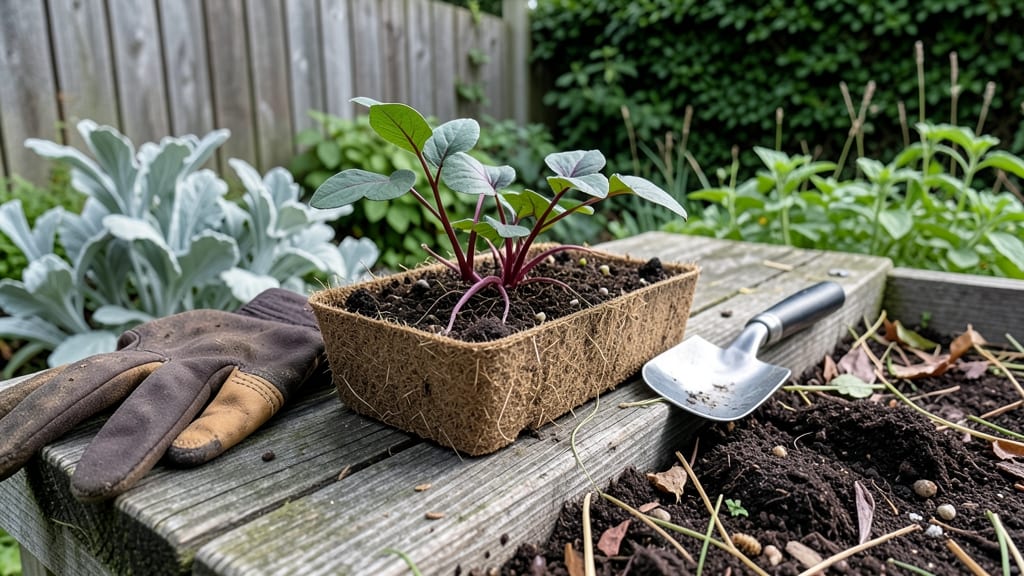
When to plant beets in Indiana at the right time means the difference between sweet, tender roots and bitter, bolted greens—especially in USDA Zone 6a, where spring can swing from frost to 80°F in weeks. I’ve learned the hard way that planting too early or too late turns these earthy gems into disappointment (no one wants a 🍠 that tastes like regret).
The secret isn’t just about dates—it’s about soil temperature and heat tolerance. Indiana’s climate demands precision: plant too soon, and you risk bolting; wait too long, and summer’s heat turns your harvest into a gamble.
I’ll break down the exact windows—early spring, late summer, and even fall—that work for your zone, plus how to stretch your harvest season without the stress.
You’ll discover the 3-week succession planting trick that keeps your table stocked from May through October, plus which beet varieties actually thrive in Indiana’s heat. No more guessing—just reliable, bolt-free beets that grow when you need them.
Ready to turn your garden into a beet bonanza? Let’s get into the specifics so you can plant with confidence and enjoy the rewards all season long.
Best planting windows for beets in Indiana (avoiding bolting & bitter taste)
Indiana's USDA Zones 5-6 create unique challenges for beet growers—too early and you risk frost damage, too late and your beets may bolt prematurely or develop bitter flavors. The key is planting when soil temperatures stay consistently above 45°F but before summer heat triggers bolting.
For most of Indiana, this means two ideal windows: early spring and late summer.
In northern Indiana (Zone 5), aim for mid-April to early May for spring plantings, while southern Indiana (Zone 6) gardeners can start as early as late March.
The late summer window opens around July 15th and closes by August 15th, giving beets time to mature before fall frosts hit in October. Timing is everything—plant outside these windows, and you risk either stunted growth or woody, bitter roots.
| Planting Window | Soil Temp | Frost Risk | Bolting Risk | Best Varieties |
|---|---|---|---|---|
| Early Spring (Zone 5: Mid-April / Zone 6: Late March) | 45-55°F | Low (after last frost) | Low | Detroit Dark Red, Golden |
| Late Summer (July 15 - August 15) | 55-65°F | None (harvest before frost) | Moderate (use shade cloth) | Chioggia, Bull's Blood |
| Fall (September - Early Oct) | 50-60°F | High (harvest before first frost) | Low | All varieties (fast-maturing) |
To pinpoint your exact planting window, monitor soil temperatures—not air temperatures. Use a soil thermometer to confirm readings above 45°F at a depth of 2 inches. In Indiana, this typically aligns with 2-3 weeks after your last average frost date.
For northern Indiana (e.g., Fort Wayne), this is usually April 20th, while southern Indiana (e.g., Evansville) can start as early as March 25th. Pro tip: Plant a test row 1-2 weeks before your target date to gauge germination success.
Summer planting in Indiana demands extra care. Beets planted after mid-July face higher bolting risks due to longer daylight hours. To mitigate this, use 30% shade cloth during peak afternoon sun (12 PM - 4 PM) and choose heat-tolerant varieties like 'Chioggia' or 'Bull’s Blood'.
These varieties can handle 75-80°F soil temps better than standard types, giving you a 3-4 week extension into August before bolting becomes likely.
Fall plantings are often overlooked but can yield sweet, tender beets with minimal effort. Sow seeds in early September for a harvest before first frost (typically October 15th in Indiana).
For a second fall crop, try late August plantings—these beets mature quickly (in 40-50 days) and avoid the heat stress that triggers bolting. Just be sure to harvest before hard frosts, as even cold-hardy beets develop a woody texture when frozen.
Indiana’s microclimates can shift planting windows by 2-3 weeks. Urban areas like Indianapolis often experience urban heat islands, allowing earlier spring plantings (as early as March 15th) and later fall harvests (into early November).
Conversely, rural areas with cooler nights may need to delay spring plantings until April 15th. Always check your local Cooperative Extension Service for frost date updates—Indiana’s last frost dates can vary by 10-14 days from north to south.
One common mistake Indiana gardeners make is planting beets too deeply to protect against frost. While seeds should be ½ inch deep, planting deeper than ¾ inch can cause poor germination or stunted roots.
Instead, use row covers or cold frames for early spring plantings. These methods maintain consistent soil temps while allowing seeds to germinate properly. Remove covers once seedlings emerge to prevent overheating and bolting.
For continuous harvests, combine your spring and fall plantings with succession sowing every 2-3 weeks during the ideal windows. This strategy ensures you have beets ready to harvest from June through October, avoiding the bolting window of late July to early August. Just remember:
Best planting windows for beets in Indiana (avoiding bolting & bitter taste)
Indiana's USDA Zones 5-6 offer two prime windows for planting beets: early spring and late summer. Timing matters because beets bolt (go to seed) when exposed to consistent temperatures above 80°F or when days get too long. In Indiana, this means avoiding summer heat while capitalizing on cooler seasons.
For spring planting, aim for 4-6 weeks before your last frost date—typically mid-March to early April in most of Indiana. Soil temperatures should reach at least 45°F for optimal germination. This timing ensures beets mature before summer heat triggers bolting.
Your second window is late summer, specifically July through early August. Planting here allows beets to mature before fall frosts (usually mid-October) hit. Use shade cloth (30-50%) if daytime temps exceed 75°F to prevent bolting.
| Season | Ideal Planting Time | Soil Temp | Key Consideration |
|---|---|---|---|
| Spring | Mid-March to early April | 45°F+ | Avoid bolting from summer heat |
| Late Summer | July to early August | 60-70°F | Harvest before fall frosts |
| Fall | Late August (succession) | 55°F+ | Use cold-hardy varieties |
Missed these windows? Don't worry—fall planting is possible if you choose cold-hardy varieties like 'Detroit Dark Red' and sow seeds late August. These beets can tolerate light frosts and mature before winter sets in.
Always monitor soil temperatures with a thermometer to avoid planting too early when soils are still cold.
Pro tip: Direct sow seeds instead of transplanting, as beets hate root disturbance. Space seeds 1-2 inches apart and thin to 3-4 inches when seedlings are 2-3 inches tall. This spacing prevents competition and ensures sweet, tender roots.
Bolting is your biggest enemy in Indiana's climate. To prevent it, harvest beets before they reach maturity if summer heat arrives early. Alternatively, plant bolting-resistant varieties like 'Chioggia' or 'Golden' for extended harvests.