
Plants
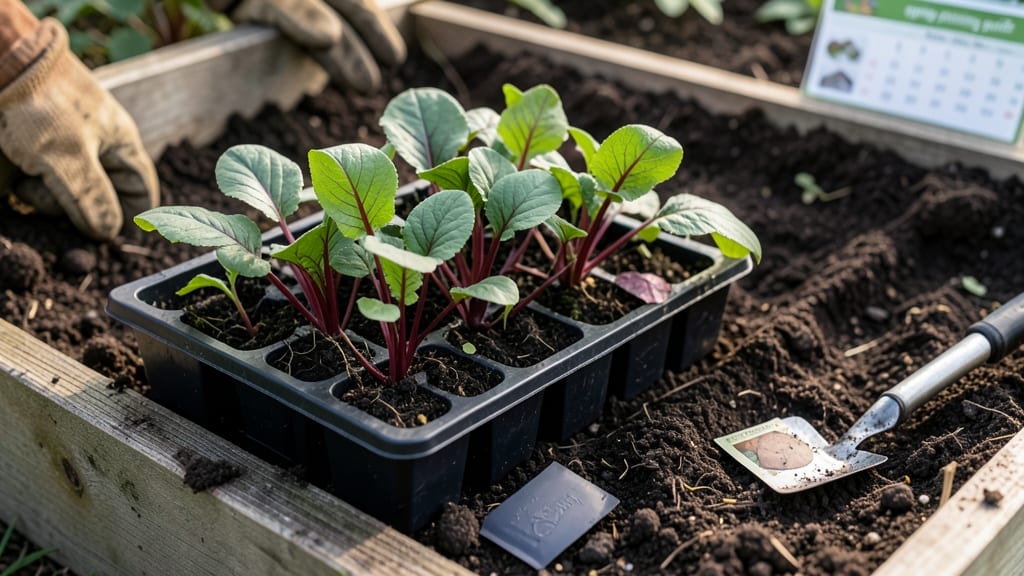
Knowing when to plant beets in Zone 7b can mean the difference between a bumper crop of sweet, tender 🍠 and bitter greens that bolt before you even get to harvest.
In my garden, timing isn’t just about the calendar—it’s about understanding your microclimate’s quirks, like sudden heat spikes or lingering spring chills, that can throw off even the most well-meaning gardener.
The key to success here is planting at the right moment—when soil temperatures hit that 50–60°F sweet spot—so your beets grow steadily without rushing to seed. I’ve learned that early spring and late summer are your two best windows, but getting the exact dates wrong can lead to frustration.
Let me show you how to nail those start times, adjust for your specific patch of land, and even stretch your harvest season for fresh beets from June through November.
What most gardeners don’t realize is that succession planting every 2–3 weeks after your initial sowing can give you a continuous supply of beets, cutting down on waste and keeping your kitchen stocked.
Whether you’re a beginner or a seasoned grower, these strategies will help you avoid common pitfalls—like bolting from heat stress or stunted growth from poor soil prep—and get the most out of your beet patch.
Ready to transform your garden into a beet-growing powerhouse? I’ll walk you through the exact steps, from soil prep to harvest, so you can enjoy homegrown beets that rival anything you’ve bought at the store. Let’s get those seeds in the ground at the perfect moment!
Zone 7b beet planting calendar: spring vs fall start dates to avoid bolting
Mastering the Zone 7b beet planting schedule means timing your seeds to avoid the dreaded bolting—when beets prematurely flower and turn bitter. In my experience, the last frost date (around April 15) and soil temperature (aim for 50–60°F) are your best guides.
Plant too early, and fluctuating temps trigger bolting; too late, and your harvest shrinks before frost. Here’s how to nail the perfect planting window for both spring and fall crops.
For spring plantings, start seeds indoors 4–6 weeks before your last frost (so around March 1–15) or direct-sow outdoors 2–3 weeks after. My Detroit Dark Red beets thrive when transplanted outdoors by March 25–April 5, giving them time to mature before summer heat.
In fall, aim for July 15–August 15 to harvest before first frost (around October 15).
🌱 Pro Tip: Use a soil thermometer—beets won’t germinate well below 50°F. If your soil runs cooler, wait until temps stabilize. In my Zone 7b garden, I’ve seen seeds take 10–14 days to sprout when planted at 55°F, but double that time in cooler soil.
Your microclimate plays a huge role—urban areas with heat islands may need earlier fall plantings, while windy spots benefit from row covers to protect young seedlings. I’ve seen Chioggia beets bolt faster in exposed beds, so I always plant them near tall crops like corn or sunflowers for windbreaks.
For shade-tolerant varieties, try ‘Babybeat’ under partial sun, but expect smaller roots.
🌡️ Watch for Heat Stress: If daytime temps hit 85°F+, beets will bolt within 3–4 weeks. My trick? Plant heat-tolerant varieties like ‘Cylindra’ in late summer and use shade cloth (30–50%) to buy time.
Always mulch with straw to keep soil cool and moist—this alone can extend your harvest by 2–3 weeks.
For container growing, stick to 5-gallon pots and plant 2–3 seeds per container. Containers warm up faster, so start them 1 week later than in-ground plantings.
I’ve had great luck with ‘Little Ball’ beets in pots on my balcony—they mature in just 50 days and handle Zone 7b’s late-summer heat better than larger varieties.
💡 Zone 7b Specific Hack: If you miss the spring window, try a mid-summer transplant (June 1–15) using 6-week-old seedlings. Harden them off first, and choose bolt-resistant varieties like ‘Ruby Queen’. I’ve harvested small but sweet beets this way—just don’t expect full-sized roots.
Finally, succession planting is your secret weapon. Sow new seeds every 2–3 weeks from spring through early summer for a continuous harvest. In fall, one final planting in late July gives you beets just before frost.
My Zone 7b garden yields 3–4 harvests per year this way—no wasted space or bolting risks!
How to extend your beet harvest season in Zone 7b using succession planting
Succession planting is your secret weapon for a continuous beet harvest in Zone 7b, where short-day conditions and fluctuating temperatures can limit your growing window. By staggering plantings every 2–3 weeks, you’ll enjoy fresh, tender beets from early spring to late fall—without the risk of bolting or overcrowding. The key? Choosing the right varieties and protecting seedlings from late-summer heat stress.Start your first planting in early March (as soil warms to 50–60°F), then repeat every 2–3 weeks until mid-July. This schedule ensures a steady supply of beets while avoiding the heat stress that triggers bolting.
For fall harvests, your last planting window opens in early August, giving you time to mature roots before the first frost (around October 15).
Not all beet varieties handle succession planting equally. ‘Detroit Dark Red’ and ‘Golden’ are top performers for short-day conditions, while ‘Chioggia’ (striped beets) tolerate wider temperature ranges. If you’re planting in late summer, opt for heat-tolerant varieties like ‘Boltardy’ to minimize bolting risks.
Protecting seedlings from late-summer heat is critical. Use shade cloth (30–50%) or row covers during the hottest hours (11 AM–3 PM) to keep soil temperatures below 80°F. Mulch with straw or grass clippings to retain moisture and prevent soil crusting, which can stunt root growth.
For extra insurance, plant in raised beds—they warm up faster in spring and drain better in heavy rains.
Don’t forget to harvest regularly to encourage continuous production. Beets left in the ground too long become woody and lose their sweetness. Aim to harvest when roots reach 1–3 inches in diameter—this ensures tender texture and prevents overcrowding for future plantings.
Store harvested beets in a cool, dark place (50–55°F) for up to 2 weeks to extend your fresh supply.
With this succession planting strategy, you’ll enjoy homegrown beets for nearly 6 months in Zone 7b—far longer than a single planting could deliver. Just remember: timing, variety selection, and heat protection are your three biggest allies against bolting and poor yields.