
Plants
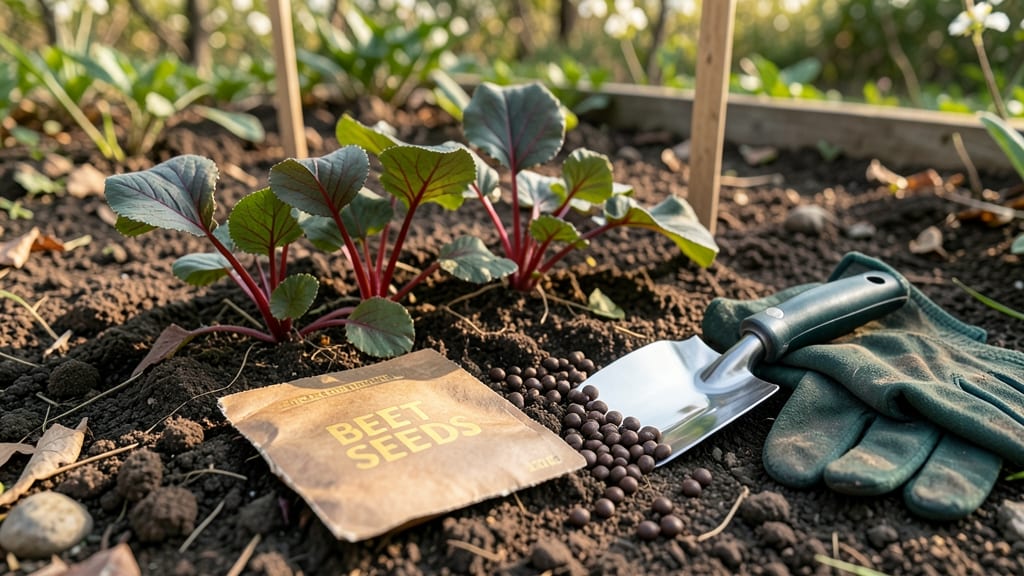
Timing your 🟣 beet planting in Massachusetts can mean the difference between a bumper crop and wasted effort—get it wrong, and you’ll either lose plants to frost or end up with tough, woody roots.
The key is knowing exactly when to sow seeds for the crispest harvests, whether you're in Boston’s cooler microclimate or the warmer Cape Cod region.
Most gardeners in USDA Zone 6a swear by two planting windows: early spring (March–April) and late summer (July–August). But here’s the catch—your last frost date (around April 15) and summer heat can throw off even the most experienced growers.
I’ll break down the exact dates, soil prep tricks, and variety choices that work best in Massachusetts’ unpredictable climate.
You’ll discover how to stretch your harvest from late spring through fall by using succession planting, plus which beet varieties thrive in your zone.
Whether you’re a beginner or a seasoned gardener, these insights will help you avoid common mistakes and grow beets that are sweet, tender, and ready to harvest just in time for your favorite meals.
Let’s dive into the frost-free timeline that’ll give you beets all season long—no guesswork, just proven results for Massachusetts gardens.
Massachusetts beet planting calendar: exact dates by hardiness Zone
Massachusetts spans USDA Zones 5-7, but most home gardens fall within Zone 6a, where frost dates are critical. Your last spring frost typically arrives around April 15, while the first fall frost hits October 15.
These dates create two prime planting windows: early spring and late summer. Missing these windows can lead to bolting (premature flowering) or frost damage, so precision matters.
For Boston and Worcester (Zone 6a), aim to plant beets 4-6 weeks before your last frost. That means starting seeds indoors by early March 1 or direct-sowing outdoors by March 15.
Meanwhile, Cape Cod and coastal areas (Zone 7a) enjoy slightly warmer microclimates, allowing you to start outdoors by March 10 and extend your fall planting into early September.
Here’s the frost-free timeline broken down by region and planting window:
Pro tip: Use UMass Extension’s frost date maps to fine-tune your schedule. For example, if you’re in Zone 6a but notice your local frost dates vary, adjust by 1-2 weeks to account for microclimates. A south-facing bed warms up faster, so it’s ideal for early sowings.
For fall planting, focus on varieties that mature quickly (like Detroit Dark Red) to avoid bolting from late summer heat. Start seeds indoors by July 1 and transplant outdoors by July 15 for a September-October harvest.
If you’re in Zone 7a, you can push this to August 30 for a late harvest.
Always test your soil’s pH (6.0-7.0) before planting. Amend with compost or aged manure to improve drainage, as beets hate soggy soil. A soil thermometer is your best friend—wait until soil temps reach 50°F for direct sowing, or you’ll risk slow germination.
Remember: Succession planting is your secret weapon. By sowing every 2-3 weeks from March to July, you’ll enjoy a steady supply of beets without gaps. Pair this with fall planting, and you’ll have harvests from May through October—no grocery store needed!
🌱
Best beet varieties for Massachusetts: fast-growing vs. storage types
Choosing the right beet varieties for Massachusetts means balancing harvest speed and storage potential. The wrong pick can leave you with tough roots or wasted effort. In our Zone 6a climate, heat-sensitive varieties like Chioggia thrive in spring, while Detroit Dark Red handles summer’s unpredictability.
Let’s break down the top three varieties that perform best in MA gardens, including their ideal planting windows and yield expectations.
For fast harvests, Detroit Dark Red is the gold standard—ready in just 50-60 days and perfect for succession planting. Its deep red roots store well in cool cellars, making it ideal for fall planting (July–August).
Meanwhile, Chioggia (the candy-striped "rainbow beet") adds visual flair to salads but needs cooler temps to avoid bolting, so plant it March–April or September.
Here’s how these varieties stack up for Massachusetts gardens:
If you’re growing for storage, Bull’s Blood is my top pick—its deep red, globe-shaped roots store beautifully and resist bolting better than Chioggia in late summer.
For container gardens, opt for Little Ball (a dwarf variety) or Babybeat, which mature in just 40 days and thrive in 12-inch pots.
Pro tip: Pair Detroit Dark Red with Golden Beets for variety—golden varieties like Lutz Winterkeeper store even longer and add color contrast. To avoid bolting in summer’s heat, always plant fast-maturing varieties (under 60 days) after July 15, and use shade cloth if temps exceed 85°F.
For fall harvests, focus on Detroit Dark Red or Bull’s Blood—these handle cooler temps better than Chioggia. Start seeds indoors by July 1 and transplant outdoors by July 15 for a September-October harvest. With the right variety, you’ll enjoy beets from May through November—no grocery store needed!
🌱