
Plants
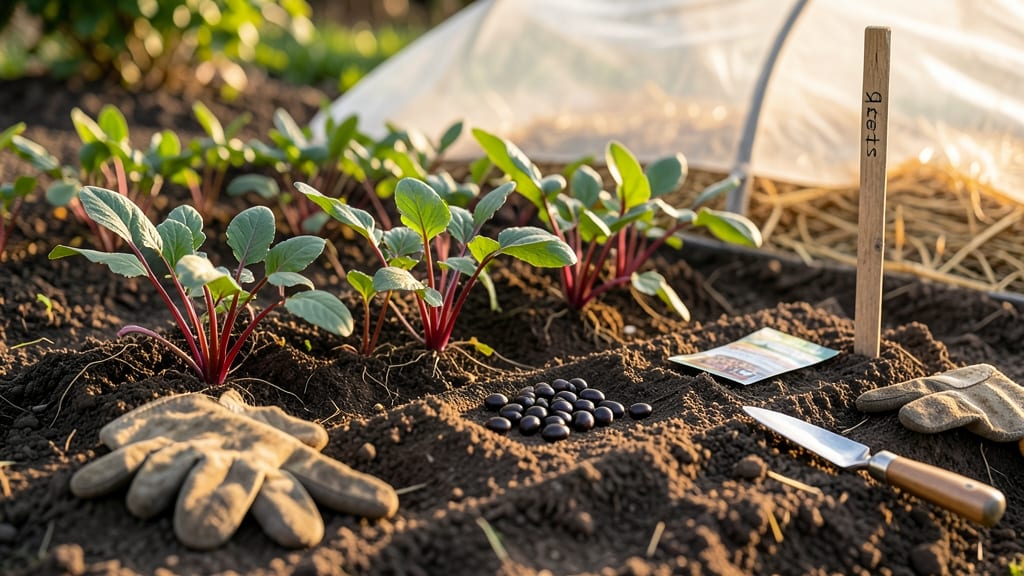
Timing your beet planting in South Carolina can make or break your harvest—get it wrong, and you’ll end up with bitter, woody roots or plants that bolt before they mature.
The key is planting at just the right moment to avoid early cold snaps or scorching summer heat, especially in USDA Zone 8a where conditions shift quickly.
Most gardeners in South Carolina know the ideal windows are February-March for spring and August-September for fall, but the exact dates depend on your county’s last frost.
For example, coastal areas like Charleston may have a later frost date than inland Piedmont regions, meaning you’ll need to adjust your schedule accordingly. Let me show you how to pinpoint the perfect planting window for your location.
Why does this matter? Beets are sensitive to temperature extremes—they’ll bolt (flower prematurely) if exposed to cold snaps or struggle in summer’s intense heat.
By following a frost-free timeline, you’ll ensure your beets grow sweet, tender, and ready for harvest in May-June or October-November, depending on when you plant.
In this guide, I’ll break down the exact planting schedule by county, share heat-resistant beet varieties, and give you pro tips for soil prep and succession planting. Whether you’re a beginner or a seasoned gardener, these strategies will help you grow the best 🍠 harvests all season long.
South Carolina beet planting zones: frost-free dates by county for zero bolt risk
South Carolina’s diverse climate means your beet planting window can vary by 50 days depending on whether you’re in coastal Charleston or the Piedmont’s Greenville. The state’s USDA Zone 8a classification gives us a baseline, but microclimates create real differences in frost dates.
For example, Charleston’s last frost typically hits around March 15, while Upstate areas like Greenville may see frost until March 30.
To avoid bolt risk (when beets flower prematurely), I’ve mapped out the ideal planting windows for 12 key counties. These dates align with soil temperatures of 45°F+—the sweet spot for beet germination.
Planting too early risks cold damage, while waiting too long exposes your crop to summer’s 90°F+ heat, which turns roots woody and bitter.
Here’s the frost-free planting schedule you need to know, including both spring and fall windows for each region. I’ve also highlighted the best heat-tolerant varieties for summer planting in hotter zones like the Lowcountry.
| County | Last Frost Date | Spring Planting Window | Fall Planting Window | Heat-Tolerant Variety |
|---|---|---|---|---|
| Charleston | March 15 | Feb 15 - Mar 10 | Aug 15 - Sep 10 | Detroit Dark Red |
| Hilton Head | March 20 | Feb 20 - Mar 15 | Aug 20 - Sep 15 | Candy Stripes |
| Columbia | March 25 | Feb 25 - Mar 20 | Aug 25 - Sep 20 | Golden |
| Greenville | March 30 | Mar 5 - Mar 25 | Sep 1 - Sep 25 | Chioggia |
| Spartanburg | March 28 | Mar 1 - Mar 20 | Aug 30 - Sep 20 | Bull’s Blood |
| Myrtle Beach | March 18 | Feb 20 - Mar 12 | Aug 18 - Sep 12 | Lutz Winterkeeper |
| Florence | March 22 | Feb 25 - Mar 18 | Aug 22 - Sep 15 | Detroit Dark Red |
How to adjust beet planting for South Carolina’s microclimates: coastal vs. Piedmont strategiesSouth Carolina’s diverse geography creates distinct microclimates that dramatically affect beet planting success. Coastal areas like Charleston and Hilton Head experience higher humidity and warmer winters, while inland Piedmont regions (Greenville, Columbia) face drier conditions and cooler nights. These differences mean your planting schedule—and even your soil prep—should vary based on where you live. For coastal gardeners, the last frost date often arrives weeks later than inland areas, giving you a longer spring planting window. However, the humidity increases fungal risks, so proper spacing and airflow become critical. Inland gardeners, meanwhile, must contend with drier soil and hotter summers, which can cause beets to bolt prematurely if not managed carefully. Let’s break down the key adjustments for each region to ensure your beets thrive year-round. The right strategies can mean the difference between a bountiful harvest and a failed crop. 🌱 Coastal vs. Piedmont Beet Planting Strategies
Coastal (Charleston, Hilton Head)
Piedmont (Greenville, Columbia)
Key Difference: Coastal areas benefit from later planting and more shade, while Piedmont gardeners prioritize moisture retention and soil amendments. One of the biggest challenges in coastal areas is preventing bolting during summer’s heat. Even if you plant at the optimal time, a sudden heatwave can trigger flowering. My solution? Use lightweight row covers during the hottest afternoons to reduce stress on the plants. For Piedmont gardeners, the opposite is true—mulching with straw or leaves helps lock in moisture and keeps roots cool. Another critical adjustment is succession planting. In coastal regions, you can extend your harvest by planting every 2-3 weeks from February through April. Inland areas benefit from weekly plantings in late summer (August-September) to ensure a continuous supply before the first frost. This staggered approach maximizes your yield and reduces the risk of losing an entire crop to heat or cold. Finally, don’t overlook the role of soil pH. Coastal soils often test higher in acidity due to rainfall, while Piedmont soils may be alkaline from limestone. Aim for a pH of 6.0-7.0—amend with lime if your soil is too acidic or sulfur if it’s too alkaline. A simple soil test from your local extension office will give you the exact adjustments needed. By tailoring your approach to your local microclimate, you’ll avoid the most common pitfalls and enjoy sweet, tender beets all season long—whether you’re in sunny Charleston or the Piedmont’s rolling hills. 🌱 |