
Plants
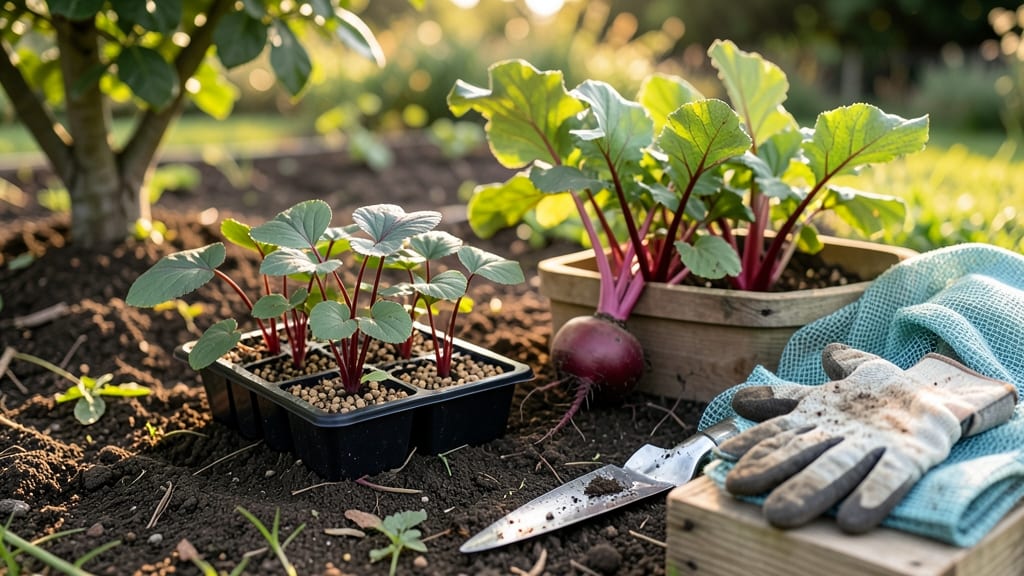
Knowing when to plant beets in Wisconsin can mean the difference between a bountiful harvest and a disappointing one. The 🍠 thrives in Wisconsin’s cooler climate, but timing is everything—especially in zones 4a-5b where frost dates shift yearly.
Plant too early, and you risk bolting before the roots mature. Too late, and your beets may struggle with heat or frost before reaching full size. The key? Start seeds indoors in early March or sow directly in well-drained soil once soil temperatures hit 45°F—usually by mid-April.
But there’s more to it than just dates. Wisconsin’s microclimates mean your neighbor’s perfect planting window might not work for you. We’ll break down the exact frost-date timeline, succession planting tricks, and the best beet varieties for your region to ensure a steady harvest from May through September.
Ready to grow sweet, tender beets all season? Let’s dive into the game-changer strategies that actually work in Wisconsin’s unpredictable growing conditions.
Wisconsin beet planting calendar by frost dates: avoid bolting for maximum yield
Wisconsin’s USDA zones 4a-5b create a unique challenge for beet growers. The key to avoiding bolting (when beets flower prematurely) is planting at the right time—typically 4-6 weeks before the last spring frost or 8-10 weeks before the first fall frost.
For most of Wisconsin, that means early March to mid-April for spring plantings and late July to early August for fall harvests.
Bolting happens when beets experience temperature fluctuations or stress. In Wisconsin, this often occurs when seeds germinate in cold, wet soil followed by a sudden warm spell. To prevent this, use row covers or wait until soil temperatures reach 50°F before planting.
Here’s the frost-date breakdown for Wisconsin’s regions, based on USDA data and local gardening reports. These windows ensure your beets mature before summer heat or winter frost ruins your crop.
| Planting Window | USDA Zone | Last Frost Date | First Frost Date | Ideal Planting Months |
|---|---|---|---|---|
| Early Spring | 4a (Northern WI) | Mid-May | Mid-September | March 15 - April 15 |
| Early Spring | 5a (Central WI) | Early May | Late September | March 1 - April 10 |
| Late Summer | 4a (Northern WI) | Mid-May | Mid-September | July 15 - August 10 |
| Late Summer | 5a (Central WI) | Early May | Late September | July 1 - August 5 |
| Fall | 5b (Southern WI) | Late April | Early October | July 20 - August 15 |
Note: Adjust planting dates 1-2 weeks earlier for southern Wisconsin and later for northern regions.
For northern Wisconsin (zone 4a), where frosts linger longer, start seeds indoors in late February and transplant outdoors after the last frost. In southern Wisconsin (zone 5b), you can push the envelope by planting as early as February 15 under row covers to extend the season.
Pro tip: Use a soil thermometer to confirm soil temps are 50°F or warmer before planting. Cold soil slows germination and increases bolting risk. Aim for 60-70°F soil temps for optimal growth.
If you’re planting in late summer for a fall harvest, choose fast-maturing varieties (50-55 days) like ‘Early Wonder Tall Top’ to beat the first frost. For spring plantings, opt for cold-hardy varieties like ‘Detroit Dark Red’ that tolerate cooler soils.
Remember: Beets are biennials, meaning they’ll bolt in their second year. In Wisconsin’s climate, treat them as annuals and harvest before winter sets in. If you leave beets in the ground over winter, they’ll likely bolt the following spring.
For a continuous harvest, plan to plant succession crops every 2-3 weeks from spring through early summer. This ensures you always have fresh beets while avoiding a single massive harvest that’s hard to use up.
🌱
How to extend Wisconsin’s beet season: succession planting for continuous harvests
Wisconsin’s short growing season can feel like a race against time for beet lovers, but with succession planting, you can enjoy fresh beets from spring through fall. The key is staggering your plantings every 2-3 weeks to ensure a steady supply—no more gaps between harvests!
Start your first round of seeds 4-6 weeks before your last spring frost (typically early April in most of Wisconsin). This gives seedlings time to establish before hot weather arrives. For example, if your last frost is April 15, begin sowing around March 15.
Here’s how to maximize your harvest window: Plant again every 2-3 weeks until mid-July. This ensures you’ll have beets ready by late summer, just as older plants begin to mature. For fall harvests, your final planting should happen by early August—beets need 50-60 days to reach maturity.
Wait until soil reaches 45°F+—use a soil thermometer to avoid cold soil delays.
In July-August, use 30% shade cloth to prevent bolting from heat stress.
Thin to 2-3 inches apart to avoid competition—crowded beets bolt faster.
Apply 2 inches of straw mulch to retain soil moisture and regulate temperature.
Pick smaller beets (1-2 inches) first to encourage continuous growth of later plantings.
Don’t forget: Beets are cold-hardy and can tolerate light frosts, so you can often extend your fall harvest into October—just cover plants with row fabric if frost threatens. This method ensures you’ll have beets ready for roasting, pickling, or salads all season long!
Pro tip: Keep a planting journal to track which succession batches perform best in your microclimate. Wisconsin’s weather varies by region, so adjust timings based on your local frost dates. Happy planting!