
Plants
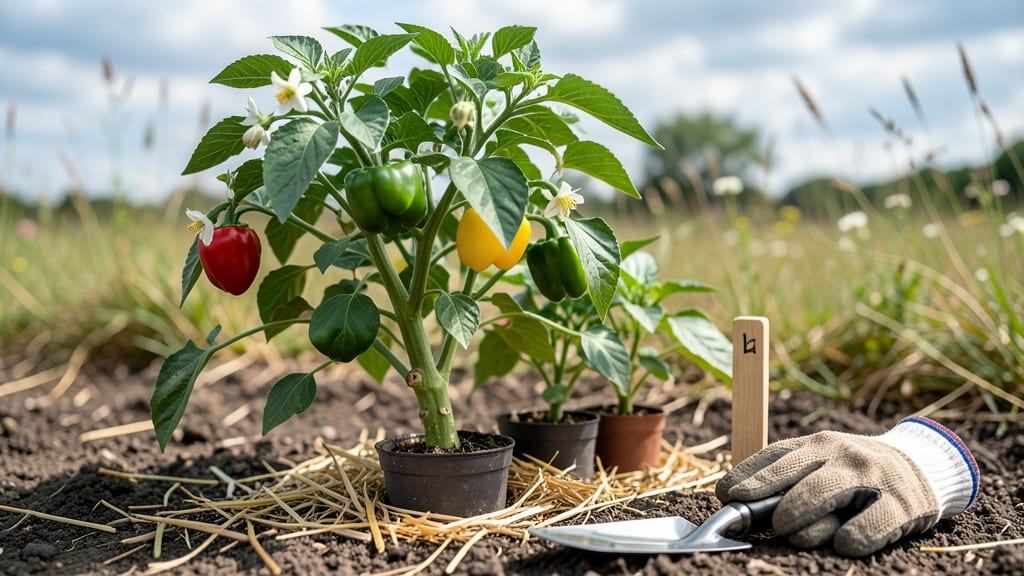
Timing your bell pepper 🌶️ planting in Alabama isn’t just about luck—it’s about catching that 2-week window between frost risks and scorching summer heat. Skip the guesswork, and you could end up with stunted plants or no harvest at all.
Whether you're in the cooler 7a zones of North Alabama or the balmy 8b regions near the coast, knowing exactly when to plant means the difference between a bumper crop and wasted effort.
Most Alabama gardeners swear by transplanting seedlings after mid-April, once soil temperatures hit 60°F and frost danger fades. But here’s the catch: planting too early in cool soils can stunt your peppers, while waiting too long might leave you scrambling as summer heat sets in.
The key? Align your planting with your county’s last frost date—and don’t forget about that fall harvest trick for late-July starts.
In this guide, you’ll get the county-specific deadlines you need, plus pro tips for adjusting timing based on your microclimate—whether you’re battling Black Belt clay or coastal humidity. We’ll also cover how to stretch your harvest with succession planting, so you’re still picking peppers well into October.
Ready to turn your Alabama garden into a pepper powerhouse?
Let’s dive into the exact dates, soil secrets, and common mistakes that trip up even experienced gardeners. Spoiler: the 3 biggest timing errors (and how to avoid them) could save your entire crop.
Alabama bell pepper planting deadlines by county: frost-free zones explained
Alabama’s bell pepper planting window is short but sweet—just 8-10 weeks from last frost to summer heat.
In North Alabama (USDA Zones 7a-7b), like Madison or Huntsville, you’ve got until May 15 to transplant seedlings, while South Alabama (Zones 8a-8b), including Mobile or Dothan, can start as late as June 1 without risking heat stress.
These deadlines are your lifeline to avoid stunted plants or wasted seeds.
The key? Planting after your county’s average last frost date, when soil temps hit 60°F. For most Alabama gardeners, that’s mid-April to early June for spring harvests.
But here’s the twist: if you want a fall harvest, start your second batch in late July—just 8 weeks before your first frost. This two-pronged approach ensures peppers all year.
Mississippi’s border counties (like Choctaw or Baldwin) can push planting to June 10 safely, while mountain regions (like DeKalb or Marshall) must plant by April 20 to avoid late frosts.
Use the table below to pinpoint your county’s exact window—because a week’s delay can mean the difference between a bountiful harvest and a failed crop.
🌶️ Pro Tip: Check your local Alabama Cooperative Extension office for hyper-local frost data—some years, North Alabama’s last frost hits April 10, while South Alabama stays frost-free until March 1. Adjust accordingly!
| Region | Last Frost Date | Ideal Planting Window | Fall Planting Window | Soil Temp Threshold |
|---|---|---|---|---|
| North Alabama (Madison, Huntsville, DeKalb) | April 15 | April 20 - May 15 | July 20 - Aug 5 | 60°F+ |
| Central Alabama (Birmingham, Montgomery, Auburn) | March 25 | April 1 - May 20 | July 10 - Aug 10 | 60°F+ |
| South Alabama (Mobile, Dothan, Baldwin) | March 1 | March 15 - June 1 | July 1 - Aug 15 | 65°F+ |
| Coastal Alabama (Gulf Shores, Fairhope) | February 15 | March 1 - June 10 | June 20 - Aug 20 | 68°F+ |
Direct sowing in Alabama is not recommended for bell peppers—they’re too tender for Alabama’s unpredictable spring weather. Instead, start seeds 6-8 weeks indoors (by February 15 for North Alabama, March 1 for South) and transplant hardened-off seedlings after your county’s last frost.
This two-step process gives your peppers a 3-week head start over direct-sown plants.
🌱 Warning: If you’re in Zone 7a (like Jackson County), don’t rush—cool soils below 60°F can delay germination by 2+ weeks. Use a soil thermometer to confirm readiness, or opt for black plastic mulch to warm the soil faster.
For succession planting, stagger your transplants every 2 weeks from April to June. This ensures a continuous harvest from July through October.
In South Alabama, you can even squeeze in a third planting by August 1 for a late-fall crop—just be ready to harvest before frost (aim for October 1
How to adjust planting timing for Alabama’s microclimates and soil conditions
Alabama’s diverse microclimates mean your bell pepper planting timeline should shift depending on where you live. Coastal areas like Mobile stay warm longer, while the Appalachian foothills near Huntsville can linger in cool temperatures well into May.
Even within the same county, a valley might be 5°F warmer than a mountain slope, throwing off your frost-free calculations.
For coastal Alabama (zones 8a-8b), you can start transplanting seedlings as early as mid-March in protected beds, but most gardeners wait until late March to early April to avoid soil-borne diseases that thrive in warm, wet conditions.
Inland areas like Birmingham (zone 7b) should hold off until mid-April, while North Alabama’s 7a zones near Chattanooga’s border may need to wait until late April.
🌱 Soil temperature is your real deadline, not just calendar dates. Use a soil thermometer to confirm 60°F+ at a 2-inch depth before planting. In clay-heavy soils (common in the Black Belt), warm up the soil faster by laying down black plastic mulch 2-3 weeks before planting.
This trick can shave off critical weeks in cooler regions.
🌡️ Microclimate Adjustments for Alabama Bell Peppers
Mobile, Gulf Shores
Start: Mid-March
Soil Goal: 65°F+
Birmingham, Montgomery
Start: Late March
Soil Goal: 60°F+
Huntsville, Decatur
Start: Mid-April
Soil Goal: 62°F+
Near Tennessee line
Start: Late April
Soil Goal: 65°F+
Pro Tip: Succession plant every 2 weeks after your first transplanting for continuous harvests. In South Alabama, this means 3 planting batches by June!
If your soil drains poorly (a common issue in Alabama’s clay soils), amend it with compost and sand before planting. Raised beds warm up faster and improve drainage—ideal for slow-starting pepper seedlings.
For container growers, use well-draining potting mix and place pots in full sun areas where they’ll receive reflected heat from dark surfaces like black mulch or dark-colored containers.
Extending your harvest season is easier than you think. For a fall crop, start seeds indoors in late June and transplant outdoors in early August. Use row covers to protect young plants from hurricane winds (common in coastal areas) and light frosts that can sneak in by October.
In North Alabama, a cold frame can push your harvest into November.
Remember: bell peppers hate cold feet. Even if your air temperature is warm, cool soil will stunt growth. Test your soil weekly if you’re planting in transition seasons (spring/fall). When in doubt, wait one more week—your peppers will thank you with bigger yields and healthier plants.
🌿 For container gardening, choose compact varieties like 'Snackable' or 'Lunchbox' to save space. These thrive in 5-gallon pots and can be moved indoors before first frost to extend your season even further.