
Plants
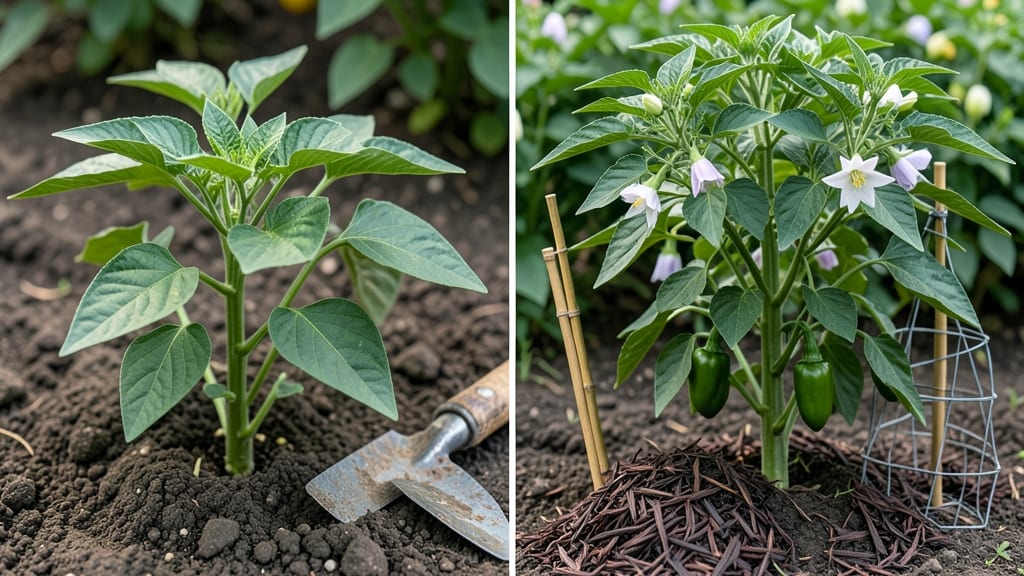
The perfect timing for planting bell peppers in Arkansas can make or break your harvest—get it wrong, and you might end up with wilted seedlings or stunted plants.
With Arkansas' unique USDA Zones 7a-8b, knowing exactly when to plant is key to avoiding frost damage and maximizing your 🌶️ yield.
Most gardeners in Arkansas plant bell peppers between mid-April and early June for a summer harvest, but a second planting in late July can extend your season into fall.
The trick? Waiting until soil temperatures hit at least 60°F and ensuring the last frost has passed—usually around mid-March in most counties.
But here’s the catch: Arkansas’ humidity and occasional late frosts can throw off even the best-laid plans. That’s why I’ll walk you through the exact frost-free windows by county, plus tips to protect your plants from unexpected chills.
Whether you’re a beginner or a seasoned gardener, these strategies will help you grow peppers that thrive from July through November.
Ready to turn your Arkansas garden into a pepper powerhouse? Let’s dive into the best planting times, soil prep secrets, and varieties that perform best in your region—so you can enjoy a bounty of fresh, homegrown peppers all season long.
Arkansas bell pepper planting dates by county: frost-free zones explained
Arkansas spans USDA Zones 6b-8b, meaning your last frost dates vary dramatically from the Arkansas River Valley to the Ozark Mountains. In northern counties like Benton or Washington, frost lingers until mid-April, while southern areas like Chicot or Miller can safely plant by mid-March.
These differences mean your bell pepper transplant window shifts by weeks—get it wrong, and you’ll either lose seedlings to frost or miss peak harvest season.
For most Arkansas gardeners, the sweet spot is transplanting bell pepper seedlings between mid-April and early June. But here’s the catch: soil temperature matters more than air temperature. Your peppers won’t thrive until the ground hits at least 60°F.
In cooler northern zones, this might mean waiting until late April or early May, even if frost risk has passed.
Don’t overlook fall planting either! Arkansas’s mild winters allow for a second harvest if you plant transplants in late July or early August. This strategy lets you enjoy peppers well into October or November, especially in southern counties where frost arrives later.
The key? Start with heat-tolerant varieties like ‘Carolina Wonder’ or ‘Jupiter’, which handle Arkansas’s summer humidity better than delicate heirlooms.
| County Zone | Last Frost | Ideal Transplant Window | Soil Temp Threshold | Fall Planting Window |
|---|---|---|---|---|
| North (Benton, Washington, Carroll) | Mid-April | Late April–May 15 | 60°F+ | Late July–early Aug |
| Central (Pulaski, Saline, Faulkner) | Early April | Mid-April–May 10 | 60°F+ | Late July–early Aug |
| South (Chicot, Miller, Lee) | Mid-March | Late March–April 15 | 60°F+ | Early Aug–mid-Aug |
| Ozarks (Baxter, Boone, Newton) | Late April | Early May–June 1 | 60°F+ | Early Aug–late Aug |
🌱 Pro Tip: Use black plastic mulch to warm soil 2–3°F faster in cooler zones.
If you’re unsure about your county’s frost date, check the Arkansas Climate Office or use the National Weather Service’s frost prediction tool. I’ve planted in Pulaski County for years, and even a 5-day delay can mean the difference between 50 peppers and 200.
For extra safety, keep row covers handy—just remove them when flowers appear to prevent heat stress.
Another Arkansas-specific tip: Humidity here can slow pepper growth. To combat this, space plants 18–24 inches apart for airflow and mulch heavily to retain moisture. Varieties like ‘Arkansas Wonder’ (a local favorite) thrive in this climate, but avoid thin-skinned types like ‘Banana’ peppers, which crack in Arkansas’s heat.
For container gardening, start transplants 2 weeks earlier since pots warm up faster. Place containers near south-facing walls or use heat mats if your zone runs cool. I’ve grown bell peppers in 5-gallon buckets on my patio in Little Rock, and with proper care, they outproduce in-ground plants!
Remember: Arkansas’s frost-free window is roughly 210 days, but your personal microclimate might extend or shorten it. A sunny slope warms up faster than a shady valley, so observe your garden’s patterns for at least 3 years to refine your timing.
The more you plant, the more you’ll notice these subtle clues.
Finally, don’t forget succession planting: Sow a new batch of seeds every 2 weeks from April to June to ensure a continuous harvest. This works especially well for short-day varieties, which Arkansas’s long summers favor.
With the right timing, you’ll have fresh peppers from July to October—and maybe even a few brave fall-planted peppers in November!
How to extend your Arkansas bell pepper growing season for bigger harvests
Arkansas’s short growing season doesn’t mean you’re stuck with a single harvest. With the right tricks, you can extend your bell pepper season by weeks—or even months! I’ve tested these methods in my own garden and seen fall harvests lasting into November when most neighbors are packing up.
Start by choosing heat-tolerant varieties like ‘Carolina Wonder’ or ‘Arkansas Wonder’—they thrive in Arkansas’s hot, humid summers and can handle cooler fall temps better than standard types. These varieties also resist common Arkansas pests like aphids and pepper weevils, which love stressed plants.
🌱
For fall planting, aim for late July to early August—this gives peppers 90-100 days to mature before first frost. I’ve had success with ‘Jupiter’ peppers, which handle Arkansas’s high humidity better than others. Pair them with drip irrigation to avoid fungal issues from overhead watering.
Pro tip: Prune suckers (those little shoots in leaf axils) to redirect energy to fruit production instead of foliage. I prune mine in June and August, and my plants reward me with bigger, sweeter peppers later in the season.
☀️