
Plants
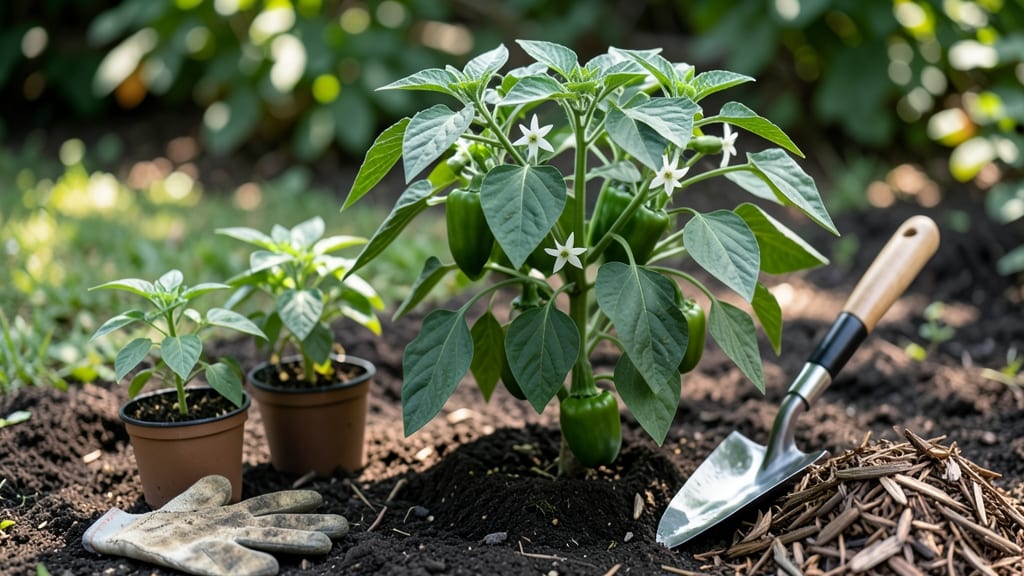
Knowing when to plant bell peppers in Indiana can mean the difference between a bumper crop of 🌶️ and a sad, wilted disappointment. These heat-loving plants refuse to grow in cool soil, and Indiana's unpredictable spring weather makes timing everything.
Most gardeners in zones 5b-6b wait until after the last frost—typically between April 15 and May 15—when soil temperatures hit a steady 60°F. But rushing too early risks frost damage, while planting too late cuts your harvest short before Indiana's first frost in October.
I’ll break down the exact window for your region, whether you should start seeds indoors, and how to extend your growing season with mulch or cold frames. No more guessing—just proven strategies for juicy, productive peppers all summer long.
Ready to turn your garden into a pepper paradise? Let’s dive into the key details that will set you up for success from day one.
Indiana’s ideal bell pepper planting window: soil temperature and last frost dates
Indiana’s bell pepper growing season hinges on two critical factors: soil temperature and last frost dates. Unlike cool-weather crops, bell peppers demand warm soil (60°F+) and won’t thrive until nighttime temperatures consistently stay above 55°F.
In Indiana’s USDA Zones 5b-6b, this typically aligns with late April to mid-May—but exact timing varies by region.
Northern Indiana (e.g., Fort Wayne) often waits until May 1-15 due to colder soils, while southern Indiana (e.g., Evansville) can plant as early as April 15-30. Urban areas may experience microclimates where sidewalks or buildings warm soil faster, allowing earlier planting in sheltered spots.
Always check your local last frost date using tools like the National Weather Service or Old Farmer’s Almanac.
🌱 Indiana Bell Pepper Planting Summary
| Region | Last Frost Date | Ideal Planting Window | Soil Temp Requirement |
|---|---|---|---|
| Northern IN (Zone 5b) | April 20–May 5 | May 1–15 | 60°F+ for 2+ weeks |
| Central IN (Zone 6a) | April 10–20 | April 25–May 10 | 58°F+ for 1+ week |
| Southern IN (Zone 6b) | March 30–April 10 | April 15–30 | 55°F+ for 10+ days |
| Urban Microclimates | Varies by location | 1–2 weeks earlier | Test with soil thermometer |
💡 Pro Tip: Use a soil thermometer to confirm warmth—peppers won’t germinate in cold soil, even if air temps are mild.
To test your soil’s readiness, bury a soil thermometer 2 inches deep for 24 hours. If it reads below 60°F, delay planting. In Indiana, black plastic mulch can raise soil temps by 5–10°F, letting you plant 1–2 weeks earlier in cooler zones.
Lay it down 1–2 weeks before transplanting for best results.
For seed-starting indoors, begin 8–10 weeks before your last frost date. Use grow lights (12–16 hours/day) to prevent leggy seedlings. Harden off seedlings for 7–10 days before transplanting to acclimate them to outdoor conditions.
This extra step pays off with stronger, more resilient plants ready to face Indiana’s humidity and heat.
If you’re unsure about your exact last frost date, use the Almanac’s Frost Calculator (almanac.com/frost) or ask your local Cooperative Extension office. They often have hyper-local data based on decades of observations.
For example, Purdue Extension notes that northern Indiana’s frost dates can shift 3–5 days earlier due to lake effects near Lake Michigan.
Once you’ve nailed your planting window, choose fast-maturing varieties like ‘Early California Wonder’ (60 days) or ‘Jupiter’ (65 days) to maximize your Indiana harvest. These varieties can produce peppers before late-summer heat stress sets in, which often starts in August.
Pair them with succession planting every 2–3 weeks to stretch your season.
Remember: Bell peppers hate cold feet. Even if air temps are warm, cool soil will stunt growth or kill seedlings. The key is balancing soil warmth, frost risk, and your local microclimate.
With the right timing, you’ll enjoy homegrown peppers from July through October—just in time for fresh salsas and grilling!
🌶️
How to extend your Indiana bell pepper season: transplanting, cold frames, and heat-tolerant varieties
Indiana’s short growing season means you can’t afford to wait for perfect conditions—so I’ve mastered tricks to push your bell pepper harvest as long as possible. The key? Start early indoors and use season-extending tools like black plastic mulch or row covers to trap heat.
For gardeners in northern Indiana (Zone 5b), begin seeds indoors 8-10 weeks before your last frost date (typically mid-March). Southern Indiana growers (Zone 6b) can wait until early April. Use grow lights if natural light is weak.
Don’t overlook heat-tolerant varieties—they’re your secret weapon against Indiana’s summer heat waves. Try ‘Carolina Wonder’ (resists blossom end rot) or ‘Aristotle’ (tolerates 95°F+ temps). These varieties produce fruit even when other peppers wilt.
Pro tip: Water deeply at transplant time to reduce shock. Use a 5-gallon bucket per plant and avoid wetting leaves to prevent disease. Mulch with straw or grass clippings to retain moisture and regulate soil temps.
With these strategies, I’ve extended my Indiana bell pepper season by 4-6 weeks, often harvesting until early October. The key is starting early and protecting plants—not waiting for perfect weather.