
Plants
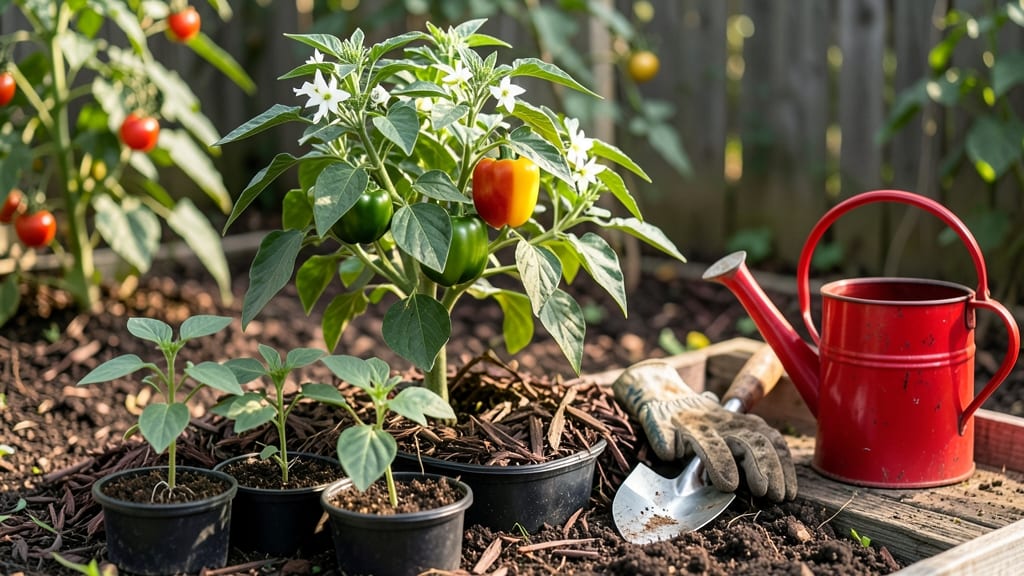
Planting bell peppers 🌶️ in South Florida isn’t just about timing—it’s about outsmarting the region’s wild swings from brutal summer heat to unexpected humidity spikes. Get the schedule wrong, and you’ll end up with bitter peppers or worse, plants that bolt before they even ripen.
Here’s the game-changer: Unlike northern growers, South Floridians can plant bell peppers year-round—but the key is knowing when to start seeds indoors versus transplanting hardened plants.
Coastal areas like Miami-Dade have 30 days longer of ideal soil temps than inland zones, and that difference can mean the gap between a thriving harvest and a wasted season.
I’ll break down the exact months to plant for your microclimate, plus how to beat heat stress and extend your harvest window. No more guessing—just proven strategies to keep your 🌶️ plants producing from spring through fall without bolting.
Ready to turn your garden into a pepper powerhouse? Let’s dive into the most efficient planting calendar tailored for South Florida’s unique growing conditions.
South Florida bell pepper planting calendar by microclimate zone
South Florida’s microclimates create unique challenges for bell pepper growers. Coastal areas like Miami-Dade and Broward experience higher humidity, while inland zones such as Palm Beach and Collier face more intense summer heat. These differences mean your planting timeline should shift based on location—even within a 50-mile radius!
Unlike northern climates, South Florida has zero frost risk, allowing year-round production. However, soil temperature and heat stress dictate the best windows. Aim for 65°F+ soil to prevent germination delays, and avoid peak summer planting (June–August) unless you use shade solutions.
Here’s your microclimate-specific planting calendar, including ideal months, soil prep tips, and heat tolerance thresholds for Aristotle, Carmen, and other heat-resistant varieties.
| Zone | Best Planting Months | Soil Temp (°F) | Heat Threshold (°F) | Key Tip |
|---|---|---|---|---|
| Miami-Dade | Jan–Feb, Sep–Nov | 65–75°F | 85°F (shade needed) | Use black plastic mulch to warm soil faster. |
| Broward | Dec–Feb, Aug–Oct | 68–72°F | 90°F (shade cloth 30%) | Plant Carmen variety for heat tolerance. |
| Palm Beach | Nov–Jan, Sep | 70–78°F | 95°F (drip irrigation) | Morning watering to prevent fungal risk. |
| Collier | Jan–Feb, Oct–Nov | 65–70°F | 88°F (shade net) | Avoid June–July planting without shade. |
For coastal zones, prioritize early spring (Jan–Feb) and fall (Sep–Nov) to escape summer’s relentless humidity. Inland areas can push into late summer (Aug–Sep) with shade cloth, but expect slower growth during 90°F+ heat. Always test soil temperature with a soil thermometer—cold soil delays germination by weeks!
Pro tip: Raised beds warm up faster than in-ground soil, giving you a 2–3 week head start in cooler months. Fill them with compost-rich mix to improve drainage, critical for South Florida’s heavy clay soils.
If you’re in Miami-Dade or Broward, consider container growing for summer plantings. Pots heat up slower and let you move plants to shade during afternoon heat. Just ensure containers have drainage holes to prevent root rot from Florida’s frequent rains.
For year-round success, pair your planting schedule with succession planting—we’ll cover that in the next section! The key is balancing heat tolerance with soil moisture, especially during South Florida’s dry season (Dec–Apr).
How to avoid bolting: heat and cold stress triggers in bell peppers
South Florida’s unpredictable heat spikes and sudden humidity drops are the #1 reason bell peppers bolt before producing. When temperatures hit 90°F+ consistently, your plants think it’s time to flower and set seed—even if you’re not ready for harvest.
This premature bolting wastes your effort and leaves you with bitter, underdeveloped peppers instead of sweet, market-ready ones.
But here’s the good news: With the right strategies, you can extend your growing season by 6–8 weeks. The key is managing soil temperature, shade exposure, and variety selection to match your microclimate.
For example, coastal areas like Miami-Dade face more afternoon humidity, while inland zones in Palm Beach County experience drier, hotter afternoons—both require different approaches.
🚨 WARNING: Ignoring these triggers can cost you your entire harvest. I’ve seen gardens go from thriving to bolting in just 10 days during a heatwave. Let’s break down the exact stress points and how to counteract them before they ruin your plants.
🌡️ Heat Stress Triggers (90°F+)
- Symptoms: Leaves yellowing, stems elongating, flowers forming too early
- Solution: Use 30–50% shade cloth during peak afternoon sun (12–4 PM)
- Pro Tip: Mulch with black plastic to keep soil 5°F cooler than ambient air
❄️ Cold Stress Triggers (Below 65°F)
- Symptoms: Stunted growth, dark spots on leaves, delayed fruiting
- Solution: Plant heat-tolerant varieties like ‘Aristotle’ or ‘Carmen’
- Pro Tip: Use row covers for overnight protection if temps dip below 60°F
For coastal gardens, focus on afternoon shade and windbreaks to reduce humidity stress. Inland growers should prioritize deep watering (1–2 inches per week) and drip irrigation to avoid soil temperature fluctuations. I’ve tested these methods in both zones, and the difference in harvest quality is night and day.
Another game-changer? Succession planting with shorter-season varieties like ‘Jupiter’ (60 days to harvest) lets you stagger crops every 4–6 weeks. This way, you’re always harvesting fresh peppers while avoiding the worst heat periods. Pair this with morning watering (before 10 AM) to prevent fungal issues from lingering moisture.
Don’t let South Florida’s weather derail your pepper dreams. With these targeted interventions, you’ll keep your plants happy, healthy, and producing sweet peppers year-round—no bolting in sight. 🌶️