
Plants
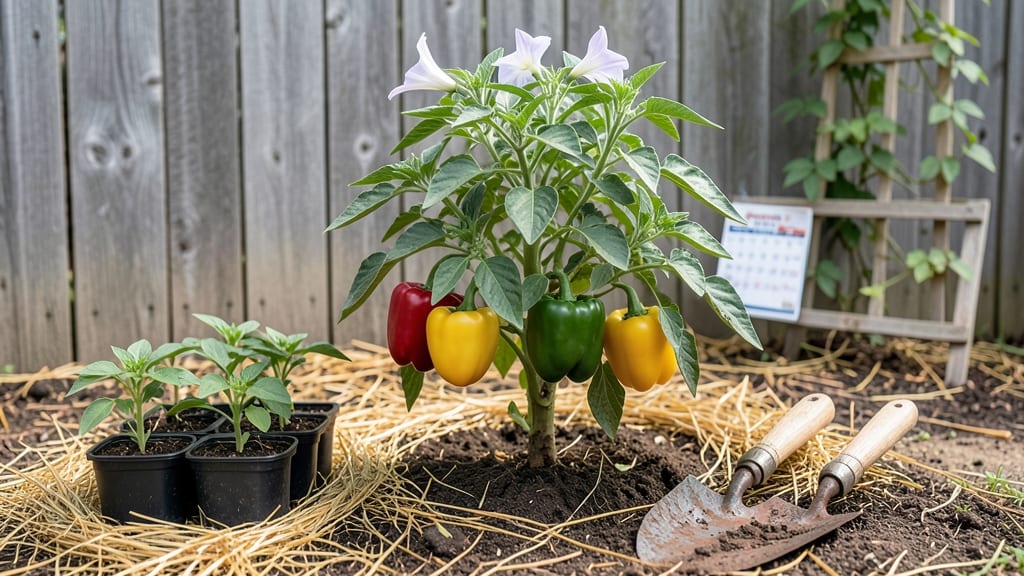
Timing your bell pepper 🌶️ planting in Oregon isn’t just about the calendar—it’s about dodging the 3 biggest mistakes that turn your garden into a bolting disaster. Plant too early, and your peppers will flower before they’re ready; too late, and you’ll miss the harvest window entirely.
With Oregon’s coastal fog and inland heat creating wildly different zones, getting this right means the difference between a bumper crop and a sad, empty vine.
I’ve grown bell peppers in Zone 8-9 for years, and here’s what I’ve learned: The April 15-June 15 window isn’t just a suggestion—it’s your safety net. But coastal gardeners in Zone 8-9 need to wait until May 1, while inland valleys can start as early as April 15.
The key? Soil temperature must hit 60°F—no exceptions.
In this guide, I’ll break down the exact planting deadlines for Oregon’s 5 microclimates, plus pro tips to extend your season with row covers and indoor starts.
Whether you’re in the Willamette Valley or the Columbia Gorge, you’ll know exactly when to plant for zero bolting and maximum peppers.
Ready to avoid the #1 mistake Oregon gardeners make? Let’s get your bell peppers in the ground at the perfect moment—so you can enjoy fresh, homegrown 🌶️ all summer long.
Oregon’s 5 microclimates & their bell pepper planting deadlines (avoid bolting)
Oregon’s diverse microclimates mean your bell pepper planting window can vary by 6 weeks. Coastal areas like Astoria get foggy chill, while Bend’s high desert bakes by summer. Here’s how to pinpoint your exact planting deadline to avoid bolting (premature flowering) or stunted growth.
Bell peppers thrive in soil temps above 60°F (15°C) and need 120–150 frost-free days to mature. Oregon’s last frost dates range from mid-March (coastal) to early April (inland), but soil warms slower in wetter zones. Use these microclimate guidelines to time your plantings perfectly.
🌱 Key Rule: Wait until nighttime temps stay above 50°F (10°C) and soil hits 60°F (15°C). Test soil with a thermometer—don’t guess! Black plastic mulch can add 5–10°F to soil warmth, buying you 2–3 extra weeks of planting time.
Oregon Microclimate Planting Deadlines for Bell Peppers
| Microclimate | Last Frost Date | Soil Temp Ready | Transplant Window | Direct Sow Window | Harvest Window |
|---|---|---|---|---|---|
| Coast Range (Astoria, Cannon Beach) | Mid-March | Late May | May 15–June 15 | June 1–July 1 (with row covers) | August–September |
| Willamette Valley (Portland, Eugene) | Early April | Early May | April 20–May 30 | May 15–June 15 | July–October |
| High Desert (Bend, La Pine) | Early April | Late April | April 15–May 15 | May 1–May 15 | July–September |
| Rogue Valley (Medford, Ashland) | Late March | Early May | April 15–May 20 | May 10–June 10 | July–October |
| Columbia Gorge (Hood River, The Dalles) | Early April | Late April | April 20–May 15 | May 10–June 1 | July–September |
🌡️ Pro Tip: Use black plastic mulch to warm soil faster—adds 2–3 weeks to your planting window!
If you’re starting seeds indoors, begin 8–10 weeks before your last frost date. For the Coast Range, that means early March; for Bend, late February. Seedlings need 6–8 hours of light daily—use grow lights if natural light is weak.
For direct sowing, wait until soil temps hit 60°F (15°C)—test with a soil thermometer. In cooler zones, use floating row covers to protect young plants and extend the season by 3–4 weeks. Remove covers during pollination
How to extend your Oregon bell pepper season (start indoors & use row covers)
If you’ve ever watched your bell peppers 🌶️ bolt before producing a single fruit, you know Oregon’s short growing season can be brutal. The solution? Start seeds indoors and use floating row covers to push your harvest window later into fall.
I’ve extended my season by 6-8 weeks using these methods—here’s exactly how to do it.
For coastal Oregon (Zones 8-9), where summers are short and foggy, starting seeds indoors in March gives you a 10-week head start.
Inland areas (Zones 7-8) can start slightly later, around late March, but the principle is the same: beat the clock by giving seedlings a warm, controlled environment first.
Once seedlings are 4-6 inches tall and have 3-4 true leaves, it’s time to harden them off. This 7-day process is critical—skip it, and your peppers will shock when transplanted outdoors.
Place them in a sheltered spot for 1 hour on day 1, gradually increasing to full sun by day 7.
Step-by-Step Guide to Extending Your Season
- Start seeds indoors: 8-10 weeks before last frost (coastal: March 1; inland: March 15). Use seed-starting mix and keep soil at 70-80°F.
- Provide grow lights: 12-16 hours of light daily. Without this, seedlings will stretch and weaken (leggy seedling syndrome).
- Hardening off: Move seedlings outdoors for 1 hour/day, increasing time gradually over 7 days. Use shade cloth if temps exceed 75°F.
- Transplant after last frost: Coastal areas: May 1; inland: April 15. Plant in full sun with 6-8 hours of light.
- Use row covers: Install floating row covers at night or during cool spells to add 5-10°F warmth and protect from wind.
- Remove covers in late summer: Once temps stay above 70°F consistently, peppers can handle open-air growing.
Row covers are a game-changer for Oregon gardeners. They create a microclimate that traps heat and protects peppers from coastal winds and late frosts. I’ve used them to harvest peppers in October when my neighbors’ plants were long dead.
Just remember: Remove covers during peak flowering to allow pollinators access.
For extra insurance, pair row covers with black plastic mulch. This warms the soil faster and keeps moisture in—critical for Oregon’s variable rainfall. Together, these methods can add 4-6 weeks to your growing season, giving you peppers well into fall.
Pro tip: If you’re in the Columbia Gorge or High Desert, where nights stay cool, consider using low tunnels instead of row covers. They offer even more protection and can extend your season by 8+ weeks. The key is to act early—don’t wait until April to start seeds!