
Plants
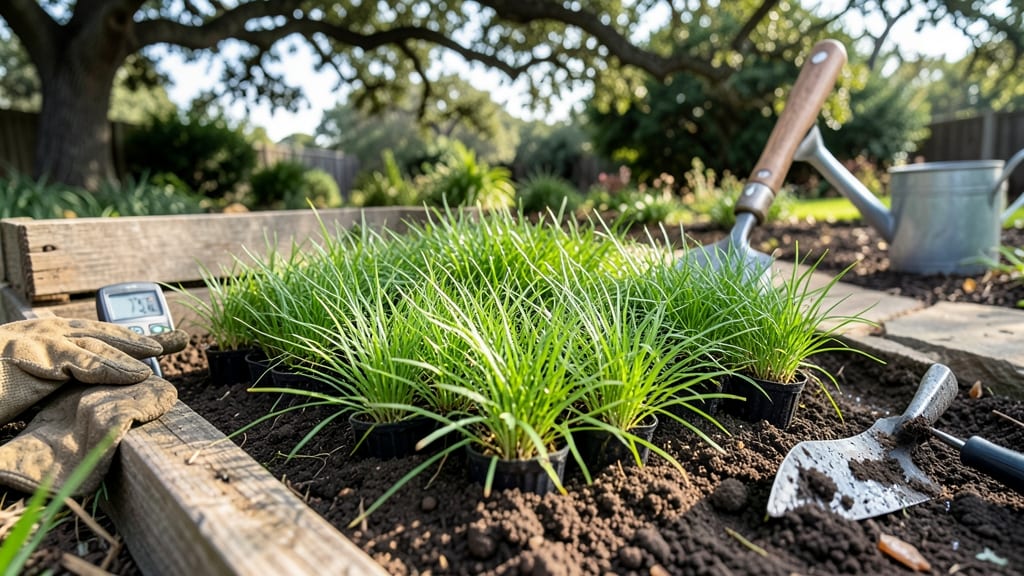
Planting Bermuda Grass 🌱 in California’s diverse climate zones isn’t just about throwing seeds in the dirt—it’s about outsmarting the heat and timing your move just right.
Whether you’re battling coastal fog or Central Valley scorching sun, spring and fall are your golden windows, but the exact months depend on where you live.
Most gardeners assume spring is the only option, but California’s microclimates tell a different story. Coastal areas can handle late summer planting, while inland valleys need to plant early spring to avoid summer drought stress.
The key? Soil temperatures above 65°F—your grass won’t germinate properly if you’re too early or too late.
I’ve seen firsthand how a poorly timed planting can leave your lawn struggling—or worse, dead. But when you nail the window, you get a thick, drought-resistant lawn that thrives year-round. Let me show you exactly when to plant in your specific zone and how to prep your soil for success.
From coastal Zone 9-11 to desert Zone 9b-11, we’ll break down the best months, watering tricks, and even how to protect your grass from unexpected frost in high-elevation areas. Ready to transform your yard?
Best planting times for Bermuda grass in California’s heat zones
California’s diverse climate zones mean one planting window doesn’t fit all. Whether you’re in coastal San Francisco or the Central Valley’s scorching heat, Bermuda grass thrives when planted at the right time.
The golden rule? Soil temperatures must reach 65°F (18°C)—any earlier, and your seeds will rot; any later, and drought stress takes over.
Most gardeners in Zone 9-11 (coastal) can plant as late as late August, while inland Zone 8-10 areas should aim for March-April to avoid summer drought. Desert regions like Palm Springs (Zone 9b-11) have a narrow window: mid-March to early May or late August to September.
Heat tolerance is Bermuda grass’s superpower, but even it struggles when soil temps exceed 95°F (35°C). That’s why timing matters—plant too early, and weeds steal the show; too late, and your grass wilts before it establishes. Let’s break down the best months for each zone to maximize your lawn’s survival and growth.
🌱
For coastal gardeners, late summer planting (August–September) is ideal because the ocean breeze keeps soil temps stable, and you avoid the June Gloom drought. In contrast, Central Valley lawns planted in spring (March–April) establish roots before summer’s brutal heat kicks in.
Desert regions like Palm Springs or Riverside have the tightest windows—plant too early, and the soil is still cool; too late, and the 110°F+ days fry your seeds. My trick? Use a soil thermometer to confirm temps before planting. If it’s below 65°F, wait it out.
One common mistake I see is assuming Bermuda grass is drought-proof after planting. While it’s drought-tolerant once established, seedlings need consistent moisture for the first 4-6 weeks. That’s why late summer planting in coastal areas works—you get steady rainfall to support germination.
If you’re in a high-elevation foothill area (like Sacramento’s outskirts), stick to spring planting only. Winter frosts can kill young grass, so avoid fall establishment unless you’re in Zone 9+ with mild winters.
Pro tip: If you miss the spring window, don’t despair—late summer (August–September) is your second chance, especially in cooler microclimates. Just be prepared to water deeply 2-3 times per week until roots establish.
☀️
Spring vs. fall planting: which works better for California lawns?
Deciding between spring vs. fall planting for Bermuda grass in California comes down to three key factors: heat tolerance, weed competition, and establishment speed. Most gardeners default to spring, but fall has hidden advantages—especially in cooler microclimates like coastal areas or high-elevation foothills.
Spring planting (March–May) gives Bermuda grass a 6-8 week head start before summer’s brutal heat arrives. This is critical in Zone 8-10 areas where soil can hit 95°F+ by June. The downside? Weeds like crabgrass and clover germinate at the same time, stealing nutrients and sunlight from your young grass.
Fall planting (August–September) avoids this competition by timing germination with cooler temperatures and natural rainfall. In Zone 9-11 coastal areas, this means fewer weeds and better moisture retention—but only if you plant early enough to establish roots before winter dormancy. The trade-off? Fall-planted grass may need extra frost protection in high-elevation zones.
Spring Planting
- Longer growing season before summer heat
- Better drought resistance by peak summer
- Easier weed control in established lawns
- High weed competition (crabgrass, clover)
- Requires frequent watering during establishment
- Stress from early summer heat spikes
Fall Planting
- Less weed competition
- Natural rainfall supports germination
- Cooler temps reduce heat stress
- Limited growing season before winter
- Frost risk in high-elevation zones
- Requires careful timing to avoid late-season heat
For Central Valley gardeners, spring planting wins—your grass needs that 6-week buffer before summer’s 100°F+ days. But in coastal San Diego or Santa Barbara, fall planting often outperforms spring because the ocean breeze keeps soil temps ideal longer.
My personal rule? If your area has consistent fall rains, go for late August planting.
One game-changer I’ve used is overseeding in fall for faster establishment. By mixing Bermuda grass seed with a winter ryegrass cover crop, you get instant green while the Bermuda establishes. The ryegrass protects the soil, and by spring, your Bermuda takes over—no bare spots!
If you’re in Zone 7-9 foothills, skip fall entirely—winter frosts will kill young grass. Instead, use spring planting with frost cloth for the first 2-3 weeks to give seedlings a fighting chance.
The key is soil prep: loosen the top 4-6 inches and mix in compost to improve drainage.
Pro tip: Test your soil’s pH (6.0-7.0 ideal) before planting. Bermuda grass hates acidic soil, and a simple lime application can boost success rates by 30%. Pair that with pre-emergent herbicide in spring to block weeds, and you’ll have a thick, weed-free lawn by summer.
🌿