
Plants
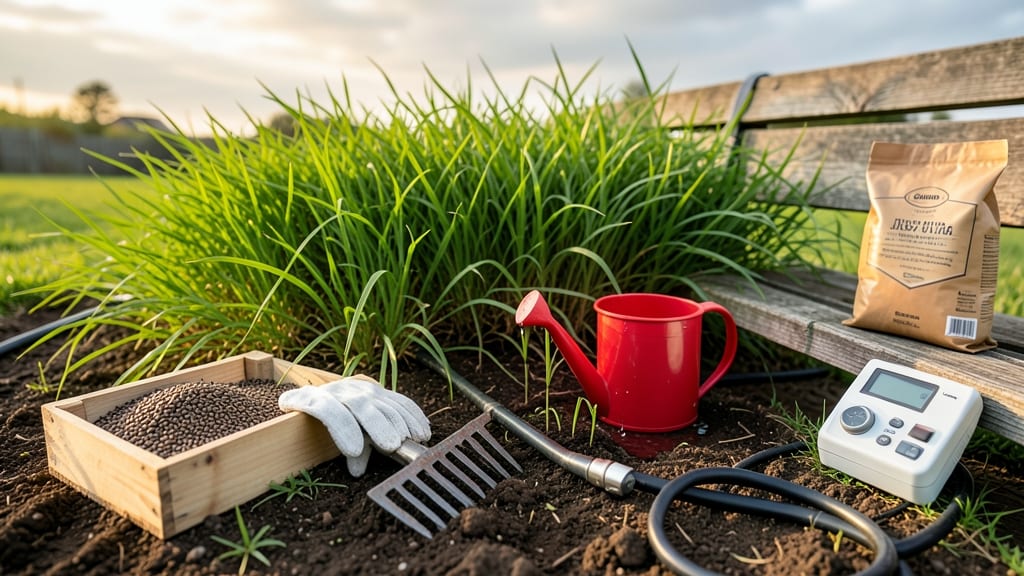
Timing your Bermuda grass seed planting in North Texas can make or break your lawn's success—especially when summer's scorching heat is lurking just around the corner. Get it right, and you'll enjoy a lush, drought-resistant yard that thrives in 7b-8a conditions.
But plant too early or late, and you might end up battling patchy growth or slow germination.
Most gardeners in North Texas swear by two key windows: late April to mid-May for spring planting, or September for a fall start. The difference? Soil temperatures need to hit at least 65°F for seeds to sprout quickly and establish strong roots before summer's intensity kicks in.
Missing this window means your 🌱 Bermuda grass could struggle to compete with weeds or dry out before it gets a foothold.
Here's the game-changer: understanding your local microclimate matters. Dallas-Fort Worth's humidity behaves differently than Lubbock's dry heat, and even a week's delay can shift your lawn's growth trajectory.
I'll break down exactly when to plant in your specific area—plus the fastest ways to ensure your grass outpaces the heat and drought challenges North Texas is famous for.
Ready to transform your yard into a heat-proof oasis? Let's dive into the precise timing, soil prep secrets, and regional tweaks that'll have your Bermuda grass thriving before you know it.
Optimal planting windows for Bermuda grass seed in North Texas (with soil temp guidelines)
North Texas' extreme heat and drought conditions demand precise timing when planting Bermuda grass seed. The window between late April and mid-May offers the perfect balance of warm soil and moderate rainfall needed for germination.
This period aligns with the grass's natural heat tolerance, ensuring it establishes before summer's peak intensity.
For those who prefer fall planting, late August to early September provides cooler soil temperatures and reduced competition from weeds. This second window allows the grass to root deeply before winter dormancy, giving it a head start in spring.
Both timings avoid the scorching summer sun and freezing winter that can stunt growth.
Soil temperature is critical—Bermuda grass seeds won't germinate until the soil reaches 65°F (18°C) and stays consistently warm. In North Texas, this typically occurs in mid-April in southern regions like San Antonio but may wait until late April in cooler northern areas like Amarillo.
Always check with a soil thermometer before planting.
Here’s a quick reference for North Texas planting windows, including soil temperature guidelines and regional adjustments:
| Planting Window | Soil Temp Requirement | Best Months | Regional Notes |
|---|---|---|---|
| Spring Planting | 65°F+ (18°C+) | Late April–Mid-May | Southern TX: Early April; Northern TX: Late April |
| Fall Planting | 70°F+ (21°C+) | Late August–Early September | Avoid planting after Labor Day for best results |
| Avoid Planting | N/A | June–August | Extreme heat kills seeds before germination |
In Dallas-Fort Worth, where summers are humid and hot, aim for late April planting to give seeds time to establish before the 100°F+ temperatures arrive. Meanwhile, Waco’s slightly cooler climate allows for early April planting, while Abilene’s drier air means waiting until mid-May to avoid early-season drought stress.
Rainfall patterns also play a role. Spring planting benefits from North Texas' April showers, while fall planting aligns with September’s occasional storms. Always monitor weekly rainfall—aim for 1-1.5 inches per week to keep soil moist without waterlogging.
If natural rainfall is insufficient, supplement with drip irrigation to maintain consistent moisture.
Pro tip: Test your soil 1-2 weeks before planting. Bermuda grass thrives in slightly acidic to neutral soil (pH 6.0-7.5). If your soil is too alkaline, amend it with sulfur or peat moss to improve germination rates.
A simple soil test kit (available at local nurseries) will give you precise pH and nutrient levels.
Once you’ve nailed the planting window and soil conditions, focus on seed coverage. Lightly rake the soil to create a fine, firm seedbed, then spread seeds at a rate of 1/4 to 1/2 pound per 1,000 sqft.
Press seeds into the soil with a lawn roller or your foot to ensure good seed-to-soil contact, which is essential for uniform germination.
After planting, keep the area lightly moist for the first 2-3 weeks—this is when seeds are most vulnerable to drought stress. Avoid heavy watering, which can wash seeds away or cause fungal diseases.
Once seedlings reach 2 inches tall, gradually reduce watering to encourage deep root growth, a key trait for North Texas’ drought-prone summers.
Timing your Bermuda grass planting correctly isn’t just about when you plant—it’s about how you prepare the soil, water consistently, and protect seedlings from North Texas’ harsh climate. With the right approach, you’ll have a dense, heat-loving lawn that outshines even the toughest summer conditions. 🌱
Optimal planting windows for Bermuda grass seed in North Texas (with soil temp guidelines)
North Texas gardeners know that Bermuda grass thrives under the scorching sun, but timing your planting is everything. The best windows for planting Bermuda grass seed in USDA zones 7b-8a are late April to mid-May for spring and September for fall.
These periods align with soil temperatures that trigger fast germination—critical for outpacing summer's heat.
Spring planting should begin only after the soil temperature consistently stays above 65°F. In North Texas, this typically happens by late April in Dallas-Fort Worth but may shift to early May in cooler areas like Abilene.
Fall planting, on the other hand, should wrap up by mid-September to give seeds time to establish before first frost hits in November.
Here’s the kicker: Bermuda grass seeds need warmth to sprout, so planting too early (like March) risks fungal diseases from cool, damp soil. Conversely, waiting too long (June or later) means seeds struggle to establish before summer’s drought stress sets in.
My rule of thumb? Plant when the ground feels warm to the touch and the forecast shows consistent dry spells for at least 10 days.
🌱 Bermuda Grass Planting Timeline for North Texas
| Season | Best Planting Window | Soil Temp Requirement | Key Consideration |
|---|---|---|---|
| Spring | Late April - Mid-May | 65°F+ consistently | Avoid fungal risks from cool soil |
| Fall | Mid-August - Mid-September | 70°F+ (cools quickly) | Establish before first frost |
For Dallas-Fort Worth, aim for late April in spring, while Waco and Amarillo may need to wait until early May due to cooler nights. In Lubbock, where summers are drier, you can push spring planting to mid-May—but only if you’re prepared for intense irrigation afterward.
The key is matching your schedule to your local microclimate, not just the calendar.
Pro tip: Use a soil thermometer to confirm temps before planting.
I’ve seen seeds fail to sprout when planted at 60°F—even if the air feels warm. Consistency is key: once your seeds hit that 65°F threshold, germination can happen in as little as 7-14 days, depending on moisture levels.
Don’t overlook rainfall patterns either. North Texas summers bring intermittent downpours, but Bermuda grass needs steady moisture to establish. Plan to water deeply 2-3 times per week until the grass reaches 3-4 inches tall.
After that, you can ease back to 1-1.5 inches per week to build drought tolerance.