
Plants
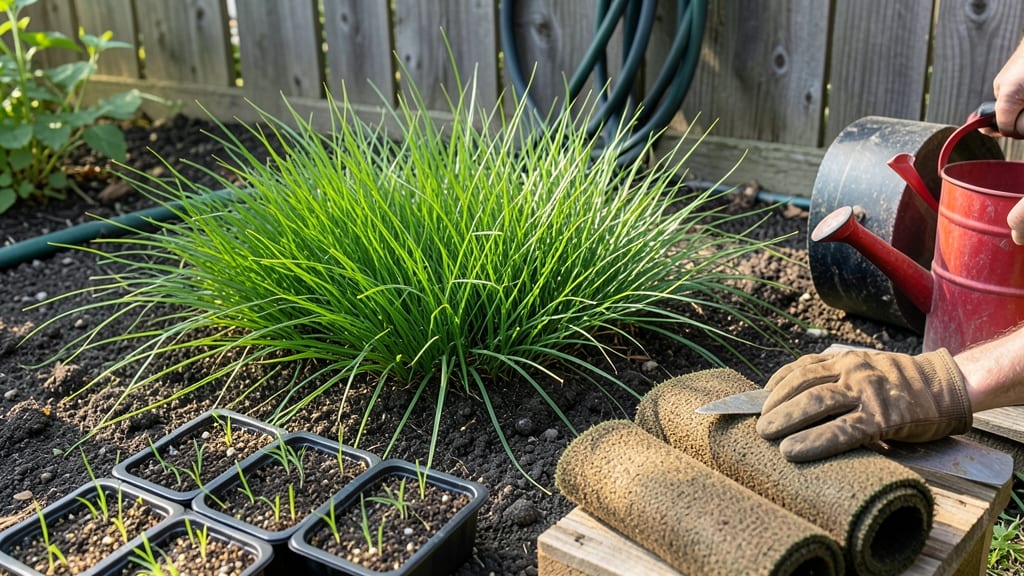
Timing your Bermuda Grass 🌱 planting in Kansas could make or break your lawn’s success—especially with the state’s wild swings from frost to scorching heat.
Whether you’re in the High Plains or the Ozarks, getting the window right means avoiding frost damage or summer stress that could leave your yard looking sad instead of lush.
Most Kansas gardeners know the general rule—plant after the last frost—but the real secret lies in microclimates. Western Kansas might be ready by early April, while eastern areas could wait until May.
I’ll break down the exact weeks before your last frost date, plus soil temperature tricks to ensure your Bermuda Grass takes off without a hitch.
You’ll also discover why some years call for late-summer planting (like August) and how to prep your soil for maximum growth. No more guessing—just science-backed timing tailored to your corner of Kansas. Let’s get your lawn on the fast track to green.
From choosing between seeding and sod to adjusting watering schedules, this guide covers everything you need to turn your yard into the envy of the neighborhood. Ready to ditch the patchy grass for good?
Kansas microclimate zones: best planting weeks before last frost by region
Kansas’ diverse geography—from the arid High Plains in the west to the humid Ozarks in the east—means Bermuda grass planting windows vary by 1-2 weeks. Timing isn’t just about frost dates; soil temperature (65°F+) and rainfall patterns play critical roles.
Let’s break down the ideal planting windows for each region to ensure your lawn thrives.
In western Kansas (USDA Zone 6b-7a), where drought is common, aim to plant 4-6 weeks before the last frost (typically March 15–April 1). The soil warms faster here, but erratic spring rains can delay germination.
Eastern Kansas (Zone 6a) has later frosts (April 15–May 1), so plant 3-5 weeks before to avoid frost damage.
Central Kansas (Flint Hills region) sits in the middle, with a last frost around April 10. Plant 2-4 weeks before this date—usually late March—when soil temperatures consistently hit 60°F+.
This timing balances frost risk with warm soil, giving seeds the best chance to establish before summer heat arrives.
⚠️ Pro Tip: Use a soil thermometer to confirm 65°F+ before planting. Cold soil slows germination, even if the air feels warm. Western Kansas often needs 1-2 extra weeks of warming compared to the east.
If you miss the spring window, don’t worry—Bermuda grass can also be planted in late summer (August), especially in western Kansas where summer heat arrives earlier. This method takes advantage of warm soil and longer daylight, but requires consistent watering to establish roots before winter dormancy.
For eastern Kansas, where summers are hotter and humidity higher, late summer planting can stress young grass. Focus on spring planting here, and prioritize well-draining soil to prevent fungal issues. Clay-heavy areas may need gypsum or sand amendments before seeding.
Regardless of region, avoid planting after May 1 in most of Kansas. By this time, summer heat and drought stress can stunt germination. If you’re in southeastern Kansas (near the Missouri border), you might push planting to early June, but expect slower establishment.
Use these regional guidelines to align your planting with Kansas’ microclimates. Next, we’ll cover how to tell if your soil is truly ready—and the costly mistakes Kansas gardeners often make when rushing the process.
Kansas microclimate zones: best planting weeks before last frost by region
Kansas isn’t one-size-fits-all when it comes to planting Bermuda grass. The state’s three distinct regions—western High Plains, central Flint Hills, and eastern Ozarks—each have unique frost dates and soil conditions that dictate the perfect planting window.
I’ve mapped out the exact weeks before your last average frost date (April 15–May 15) to ensure your grass thrives, not just survives.
In western Kansas (USDA Zone 6a-7a), where soil warms faster due to lower humidity, you can start planting as early as mid-March if soil temperatures hit 65°F+.
Meanwhile, the Flint Hills region typically waits until late April, while the Ozarks’ clay-heavy soils may need to wait until early May to avoid frost damage. Missing these windows can leave your lawn patchy or stunted.
Here’s the breakdown you need to nail your planting timing:
Pro tip: Use a soil thermometer to confirm readiness—Bermuda grass roots won’t activate until soil hits 65°F. In western Kansas, this often means planting 4–6 weeks before the last frost, while eastern areas may need to wait until 2–3 weeks after to avoid frost creeping back.
If you’re in a transition zone (like near Wichita), err on the side of caution and wait until mid-April.
The last thing you want is to plant too early and watch your new grass brown from a late frost—trust me, I’ve seen it happen more times than I’d like to admit.
For those in drought-prone western Kansas, consider a late-summer planting (August) to avoid summer heat stress. This method lets the grass establish roots before winter, giving it a head start in spring. Just be prepared for slower initial growth in cooler months.
Timing isn’t just about frost—it’s also about moisture and sunlight. Bermuda grass needs 6+ hours of sun daily, so avoid shady spots where it’ll struggle to thrive.
Once you’ve nailed the planting window, the next step is prepping your soil—because even the best timing won’t save you from compacted or nutrient-poor soil.