
Plants
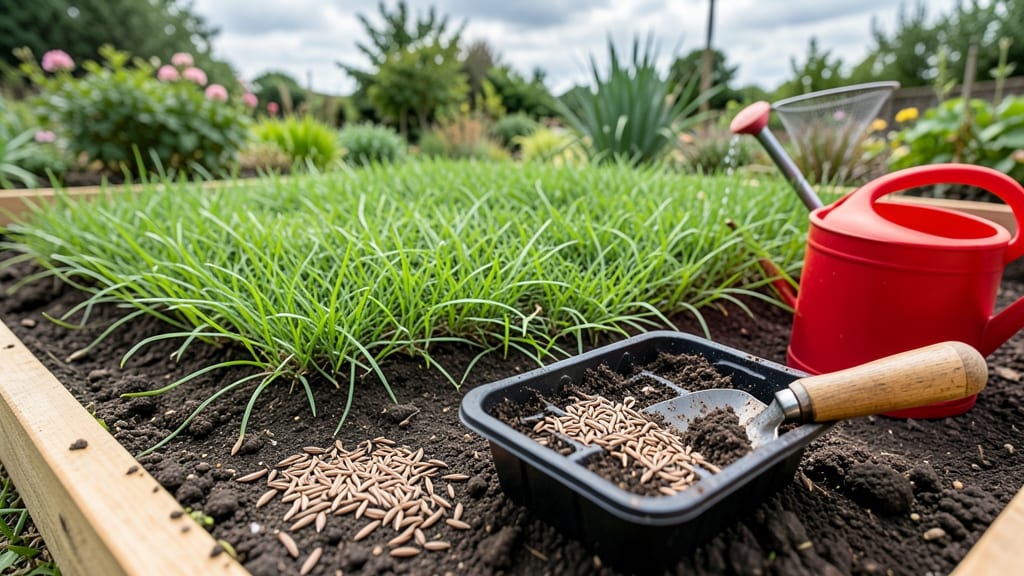
Timing when to plant bermuda seed in Oklahoma isn’t just about waiting for spring—it's about dodging frost while giving your lawn the perfect head start. Plant too early, and you risk losing seeds to late freezes; too late, and your grass struggles to establish before summer heat hits.
The 6-week window between late April and early June exists for a reason, and getting it right means the difference between a lush, drought-resistant lawn and a patchy disappointment.
Oklahoma's USDA Zones 6b-8a bring unique challenges, from Oklahoma City's cooler northern stretches to Tulsa's warmer southern regions. While the general rule is to plant after soil temperatures hit 65°F+, local microclimates can shift that window by 2-3 weeks.
I'll break down exactly when to plant in your specific corner of the state—plus how to tell if your soil is truly ready.
But here's the kicker: even the best planting timing won't guarantee success without proper aftercare. We're talking deep watering schedules, strategic fertilization, and mowing height adjustments that keep your Bermuda thriving through Oklahoma's brutal summers.
Let me walk you through the complete process so you can avoid the most common mistakes that derail new lawns.
Whether you're seeding a new yard or reviving an old one, this guide gives you the precise timing and care routine to transform your Oklahoma landscape. Let's get that 🌱 growing strong—starting with the perfect planting window.
Oklahoma’s 3 microclimates & their perfect Bermuda seed planting weeks (avoid frost!)
Oklahoma’s diverse geography means your Bermuda grass planting window varies dramatically from Northern to Southern regions. In Oklahoma City, late spring frosts can linger until mid-April, while Tulsa often sees frost-free soil by early April.
Timing your seed planting just 2 weeks after your region’s last frost date maximizes germination success—here’s how to pinpoint yours.
Bermuda grass seeds need soil temperatures above 70°F to sprout reliably. Using a soil thermometer (available for ~$15) is the most accurate way to confirm readiness. In Western Oklahoma, where drought is common, wait until late May to avoid stressing young seedlings during heatwaves.
Let’s break down the exact planting windows by region.
Visual Element: Comparison Table
| Region | Last Frost Date (NOAA Avg) | Ideal Planting Window | Soil Temp Threshold | Key Risk |
|---|---|---|---|---|
| Northern OK (Oklahoma City) | April 15–20 | May 1–15 | 70°F+ (consistent) | Late frosts |
| Central OK (Stillwater) | April 5–10 | April 25–May 10 | 68°F+ (minimum) | Unpredictable rain |
| Southern OK (Tulsa) | March 25–April 5 | April 15–30 | 65°F+ (earlier start) | Humidity/mold |
| Western OK (Lawton) | April 10–15 | May 10–25 | 72°F+ (drought delay) | Heat stress |
🌡️ Pro Tip: Check your local USDA Plant Hardiness Zone (OK is mostly 6b-8a) for finer adjustments.
For Northern Oklahoma, aim to plant by May 15 to avoid the 10% frost risk that lingers into early May. Use a frost calendar from the Oklahoma State University Extension for hyper-local data.
In Southern Oklahoma, you can start as early as April 15, but monitor for soil moisture—excess rain can delay germination.
Bermuda grass thrives in full sun (6+ hours daily), but in shady microclimates (like under large trees), delay planting until June 1 to let the soil warm naturally. Test your yard’s sunlight with a sunlight tracker app (like Sun Surveyor) to map potential shade issues before planting.
If you’re in Western Oklahoma, where drought conditions are common, consider hydromulching (a water-retaining seed mix) to lock in moisture. This method adds a 20% survival advantage during Oklahoma’s 90°F+ summers. Always plant seeds ¼ inch deep and cover lightly with soil to prevent wind erosion.
After planting, mulch with straw (not wood chips) to retain 60% more soil moisture. Remove mulch after 6 weeks to avoid smothering new growth.
In Central Oklahoma, where humidity spikes in May, use fungicide-treated seed to prevent damping-off disease, which can kill seedlings in 48 hours if unchecked.
For organic gardeners, mix composted manure into the top 2 inches of soil before planting. This boosts nitrogen levels without burning young roots. Avoid fresh manure—it can raise soil temps too quickly and shock seedlings. Instead, use well-aged compost for steady nutrient release.
Remember: Bermuda grass spreads aggressively once established, so plant 1–2 weeks earlier in sandy soils (common in Western OK) where seeds germinate faster. In clay-heavy soils (like parts of Eastern OK), amend with sand and peat moss to improve drainage and speed up the process.
Your first mowing should happen when grass reaches 3–4 inches tall, typically 6–8 weeks after planting. Set your mower to 2 inches to encourage deep root growth—a critical adaptation for Oklahoma’s summer droughts. Avoid mowing too short, or your lawn will brown out within 2 weeks.
Oklahoma’s 3 microclimates & their perfect Bermuda seed planting weeks (avoid frost!)
Oklahoma’s three distinct microclimates mean your Bermuda seed planting window can vary by up to 3 weeks depending on where you live. Northern regions like Oklahoma City experience later frost risks, while Southern areas near Tulsa can plant earlier.
The key is waiting for consistent soil temperatures above 65°F—a threshold Bermuda grass simply won’t germinate below.
For Northern Oklahoma (USDA Zone 6b-7a), aim for late April to early May after the average last frost date of April 15th. In Central Oklahoma (Zone 7a-7b), you’ve got a slightly wider window from mid-April to late May.
Southern Oklahoma (Zone 8a) can start as early as early April, but always verify your local frost data—NOAA’s Frost Risk Maps are your best friend here.
🌱 Oklahoma Bermuda Planting Windows by Region
| Region | USDA Zone | Planting Window | Soil Temp Threshold | Last Frost Date |
|---|---|---|---|---|
| Northern OK (Oklahoma City) | 6b-7a | Late April - Early May | 65°F+ (consistent) | April 15 |
| Central OK (Stillwater) | 7a-7b | Mid-April - Late May | 65°F+ (consistent) | April 1 |
| Southern OK (Tulsa) | 8a | Early April - Early June | 65°F+ (consistent) | March 15 |
💡 Pro Tip: Use a soil thermometer to verify temperatures—Bermuda seeds won’t sprout below 65°F, no matter what the calendar says.
Don’t rely solely on dates—monitor local weather forecasts for frost warnings even after your region’s average last frost. A single 28°F night can wipe out newly planted seeds, and Oklahoma’s spring is notoriously unpredictable. I’ve seen May frosts in Northern Oklahoma that caught even experienced gardeners off guard.
For Western Oklahoma, add another 1-2 weeks to planting windows due to drier conditions and higher elevation. These areas often experience earlier soil warming but also more erratic rainfall, so be prepared to water consistently once seeds are down.
The Panhandle region can sometimes plant as late as mid-May without frost risk.
If you’re in transition zones (like the Oklahoma City metro area), split your seeding into two batches: plant half in mid-April and the other half in late April. This hedging strategy ensures you’ve got some germination success even if one batch gets hit by frost.
It’s a small extra effort that can save you from a completely failed lawn.
Remember, Bermuda grass thrives in heat, so the goal is to get it established before summer’s intense sun hits. Plant too late (after June 1st), and your grass will struggle to establish before Oklahoma’s 90°F+ days arrive.
The 6-week window between late April and early June exists for a reason—don’t miss it! 🌿