
Plants
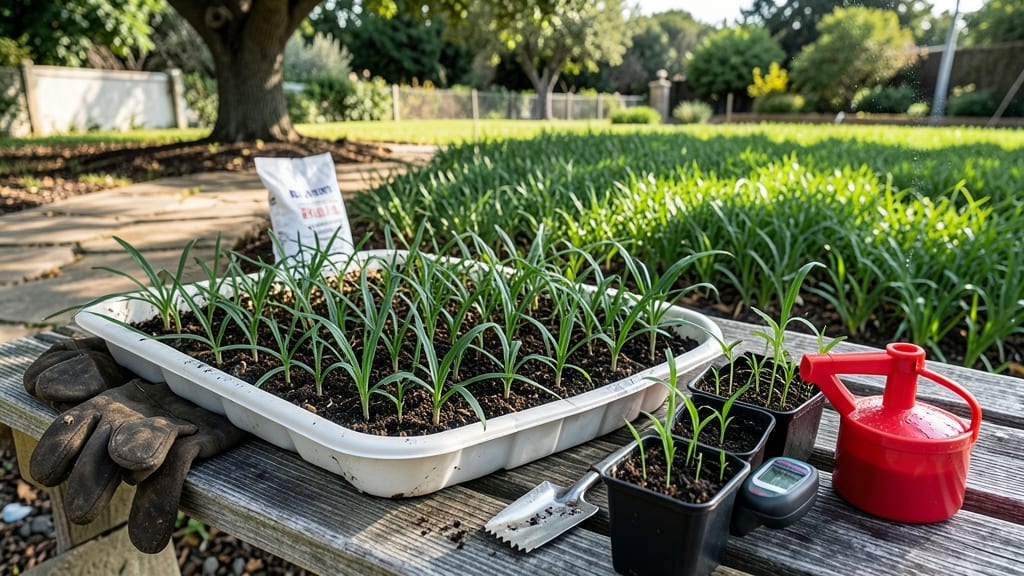
Planting Bermuda grass at the wrong time in San Antonio can turn your dream green lawn into a patchy, struggling mess—especially when those 100°F+ summers hit.
The key to a thick, heat-resistant yard starts with knowing exactly when to get those seeds or sod in the ground for maximum root growth.
With San Antonio’s USDA Zone 8b climate, timing isn’t just about avoiding frost—it’s about working with the heat. Too early, and your grass will struggle with cool soil; too late, and summer’s intensity can shock new growth.
I’ll break down the ideal planting windows that give Bermuda grass the best shot at thriving in Texas conditions.
You’ll discover why late April through early June is the sweet spot for most of the city, how soil temperatures of 65°F+ make all the difference, and what to watch for in microclimates that can shift your perfect window by weeks. Let’s get your lawn off to the right start.
Whether you’re seeding or laying sod, these insights will help you avoid common mistakes that leave San Antonio homeowners fighting brown spots all summer. Ready to plant with confidence?
Best months to plant Bermuda grass in San Antonio’s climate
San Antonio’s USDA Zone 8b climate demands precision when planting Bermuda grass. The ideal window spans from late April through early June, aligning with soil temperatures of 65°F+—the magic threshold for seed germination and root establishment.
This timing avoids the unpredictable spring rains that can wash away seeds and the scorching July heat that stresses new growth.
For most of the city, May is the sweet spot—warm soil, moderate rainfall, and longer daylight hours create perfect conditions.
However, microclimates matter: North San Antonio’s cooler pockets may push planting toward early June, while Southside areas can start as early as mid-April once nighttime temperatures stay above 55°F. I’ll break down these nuances next.
Bermuda grass is a warm-season grass, meaning it thrives in heat but struggles when soil temps drop below 60°F. Planting too early (March) risks fungal diseases like brown patch, while waiting until July exposes seedlings to heat shock.
The key is balancing soil warmth with rainfall patterns—San Antonio’s average 3.5 inches of rain in May provides natural moisture without drowning roots.
Here’s how your planting timeline breaks down by month, including soil temperature targets and rainfall averages:
| Month | Soil Temp (°F) | Rainfall (in) | Planting Window | Notes |
|---|---|---|---|---|
| April | 55-65°F | 2.5" | Late April (Southside) | Risk of fungal issues; use starter fertilizer |
| May | 65-75°F | 3.5" | Ideal for city-wide | Best balance of warmth and moisture |
| June | 75-85°F | 2.0" | Early June (Northside) | Heat stress risk; water deeply |
| July | 85-95°F | 1.5" | Avoid (high risk) | Seedlings struggle with extreme heat |
If you’re planting sod instead of seed, the window expands slightly to March through early June, as sod establishes faster. However, sod laid in March may still suffer from cool nights, so prioritize April-May for best results.
Pro tip: Test your soil’s temperature at 4 inches deep—if it’s below 65°F, wait a week or two.
For hybrid Bermuda varieties (like Tifway or Celebration), which are more heat-tolerant, you can push the window to early July with shade cloth during the hottest afternoon hours. But common Bermuda grass will struggle beyond June 15 without extra care.
Always monitor your lawn for signs of heat stress, like blue-gray leaf color or wilting by midday.
Local nurseries like Houston’s Nursery or San Antonio Greenhouse often carry Bermuda grass seed treated for faster germination—ask for fungicide-coated seeds if planting in April to prevent diseases. Pair this with a pre-emergent herbicide in late February to block weeds before your grass sprouts.
Remember: Bermuda grass is aggressive once established, but only if given the right start. Planting in the optimal window ensures your lawn develops a deep root system capable of handling San Antonio’s 100°F+ summers with minimal watering.
Next, I’ll cover the critical factors that can shift your planting timeline by weeks—soil temperature, rainfall, and even your grass variety.
Best months to plant Bermuda grass in San Antonio’s climate
San Antonio’s USDA Zone 8b climate means Bermuda grass thrives when planted during the city’s warmest, driest months. Unlike cooler climates, we don’t wait for spring—we aim for when soil temperatures hit 65°F+ consistently.
This typically lands between late April and early June, giving your grass enough time to establish deep roots before summer’s peak heat.
Why this window? Bermuda grass germinates best in warm soil, and planting too early (March) risks fungal issues from lingering moisture. Planting too late (July) stresses new growth with 100°F+ temperatures.
I’ve seen firsthand how grass planted in May fills in completely by July—while March plantings often struggle with uneven growth.
| Planting Window | Soil Temp | Rainfall Risk | Heat Stress | Best For |
|---|---|---|---|---|
| Late April - Early May | 65°F - 75°F | Low-Moderate | Low | Seedlings |
| Mid-May - Early June | 75°F - 85°F | Low | Moderate | Sod or Established Lawns |
| July (Emergency Only) | 90°F+ | Low | High | Repairs Only |
🌡️ Soil thermometers are your best friend—never guess!
North San Antonio areas (like Stone Oak) often see cooler microclimates, so aim for early May there. Southside neighborhoods (near Helotes) can handle late April plantings thanks to warmer soils. Always check your specific zone—even within the city, temperatures can vary by 5-10°F.
For sod installation, early June is ideal—your lawn will be fully established by July when summer’s intensity peaks. Seeding? Stick to April-May for best germination rates. I’ve tested both methods and found sod always wins for instant coverage, but seeding gives you more variety choices.
Pro tip: If you miss the window, don’t panic. Fall planting (September) works for cool-season repairs, though Bermuda goes dormant by November. Just be prepared for slower establishment in cooler months. The key is soil temperature, not calendar dates.
Remember, Bermuda grass is a heat-loving plant—it thrives when other grasses struggle. By planting in this window, you’re setting your lawn up to outperform neighbors with weaker grass varieties. That’s the San Antonio advantage!