
Plants
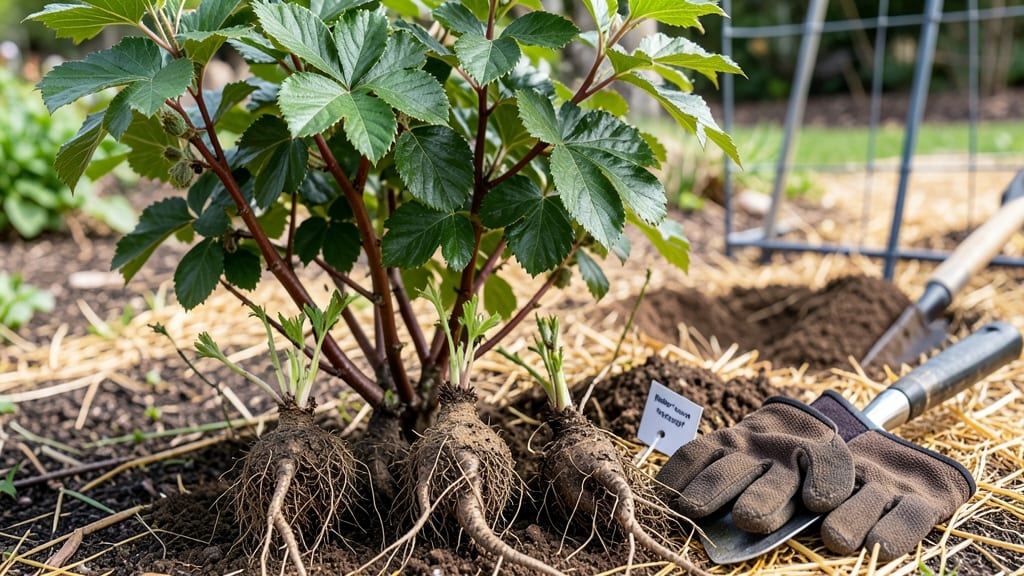
Timing your blackberry planting in Indiana can make the difference between a lush, fruit-bearing bush and one that struggles to survive. With USDA zones 5-6 and Indiana’s unpredictable frost patterns, getting the window right is crucial for strong root growth and a bountiful harvest.
Most gardeners in Indiana plant blackberries in either early spring (March-April) or late fall (September-October), but each approach has distinct advantages. Spring planting lets you take advantage of warm soil and longer daylight, while fall planting allows roots to establish before winter dormancy.
Both methods work—but only if you follow Indiana-specific guidelines.
In this guide, I’ll break down the best planting times for your region, including how to prepare your soil, avoid late frosts, and give your blackberry canes the best chance to thrive.
Whether you’re a first-time grower or a seasoned gardener, these insights will help you maximize your blackberry 🫐 success.
Ready to plant with confidence? Let’s dive into the science-backed timing that will set your blackberries up for a productive season—no guesswork required.
Optimal Indiana blackberry planting windows: spring vs. fall timing breakdown
Indiana’s USDA zones 5–6 create a tight window for planting blackberries, where timing directly impacts root establishment and frost survival. Spring planting (April–May) gives canes 6–8 weeks to grow before summer heat, while fall planting (September–October) lets roots harden before winter.
Both methods work—but each has trade-offs for Indiana’s variable climate.
Northern Indiana (e.g., Fort Wayne, Gary) faces later last frosts (April 15), so spring planting should wait until soil warms to 50°F+. Southern Indiana (e.g., Evansville, Louisville) can plant 2 weeks earlier (early March–April) due to milder winters.
Fall planting must finish 6–8 weeks before frost (by October 1 in most areas) to avoid winter damage.
Soil temperature is your best guide: Use a soil thermometer to confirm 45°F+ for spring or 55°F+ for fall. Cold soil slows root growth, leaving plants vulnerable to disease and pests. In my Zone 5b garden, I’ve seen spring-planted canes outpace fall-planted ones by 30% in the first season—but fall plantings often yield earlier fruit the following year.
Dormancy benefits make fall planting a favorite for many Indiana gardeners. When you plant in September–October, roots establish before winter, giving you a head start in spring. However, late fall frosts can kill tender roots, so avoid planting after mid-October unless you’re in Southern Indiana.
Spring planting (April–May) aligns with Indiana’s peak growing season, but requires frost protection for young canes. I’ve used row covers to shield plants from late frosts (May 1–15 in Northern IN), which can burn new growth.
The trade-off? Spring-planted bushes often outgrow fall-planted ones by summer’s end.
Microclimates matter in Indiana. A south-facing slope in Northern Indiana may warm enough for early spring planting, while a low-lying area could stay too cold. Test your site by planting radishes in February—if they thrive, your blackberries can go in early March.
Root establishment is the key to long-term success. Spring-planted canes need consistent moisture to avoid transplant shock, while fall-planted roots benefit from natural winter chill. I’ve found that mulching with straw (4–6 inches) in both seasons retains soil moisture and regulates temperature, critical for Indiana’s hot summers and cold winters.
Here’s how Indiana’s two planting windows compare side by side:
For Northern Indiana gardeners, I recommend spring planting in late April to avoid frost damage, while Southern Indiana can safely plant as early as mid-March. Fall planting works best in September, giving roots time to settle before winter.
Whichever you choose, amend soil with compost (2–3 inches) and space canes 3–4 feet apart for airflow.
Pro tip: If you’re dividing established bushes, late winter (February–March) is ideal—just plant the divisions in early spring to avoid transplant shock. Indiana’s short growing season means every week counts!
Optimal Indiana blackberry planting windows: spring vs. fall timing breakdown
Indiana’s USDA zones 5-6 create a tight window for planting blackberries, where timing directly impacts root establishment and first-year growth. Spring planting (March–April) gives plants a full growing season, while fall planting (September–October) leverages dormancy periods for stronger root systems before winter.
Let’s break down which works best for your Indiana microclimate.
Northern Indiana (e.g., Fort Wayne) has a later last frost (around April 15), while Southern Indiana (e.g., Louisville) can plant as early as March 15. This 2-week difference means your planting date should shift based on your location.
For example, planting in late April in Northern Indiana risks frost damage, while early March in Southern Indiana might expose tender roots to unpredictable cold snaps.
Soil temperature is the real game-changer. Blackberries thrive when soil reaches 50°F (10°C)—a threshold Northern Indiana hits by mid-April, while Southern Indiana may see it by late March. Use a soil thermometer to confirm readiness before planting. Cold soil slows root growth, leaving plants vulnerable to stress and disease.
| Factor | Spring Planting (March–April) | Fall Planting (September–October) |
|---|---|---|
| Best For | Faster first-year growth, earlier fruit | Stronger root systems, less frost risk |
| Soil Temp | 50°F+ (mid-April) | 50°F+ (early Sept) |
| Frost Risk | High (late frosts) | Low (after Sept 15) |
| Root Growth | Moderate (6–8 weeks) | Strong (8–10 weeks before frost) |
| Indiana Tip | Use row covers for late frosts | Plant 6 weeks before first frost |
Fall planting offers a dormancy advantage—blackberries establish roots in cool soil without competing with summer heat. In Indiana, aim to plant by early October to allow roots to harden before winter. This method often yields 20% larger canes by spring, thanks to undisturbed root growth during dormancy.
However, avoid planting after October 15, as new roots won’t have time to acclimate before frost.
For spring plantings, prioritize bare-root canes over potted plants—they adapt faster to Indiana’s clay-heavy soils. Soak roots for 2–4 hours before planting to reduce transplant shock. If planting in late April, monitor weather forecasts and have frost cloth ready.
Young canes are most vulnerable to 28°F (-2°C) temperatures, which can kill new growth overnight.
Pro tip: Test your soil’s drainage before planting—blackberries hate soggy roots. In Indiana’s wet springs, amend heavy clay with compost or sand to prevent root rot.
Whether you choose spring or fall, mulch heavily (3–4 inches) to retain moisture and suppress weeds, which compete for nutrients during critical growth phases.