
Plants
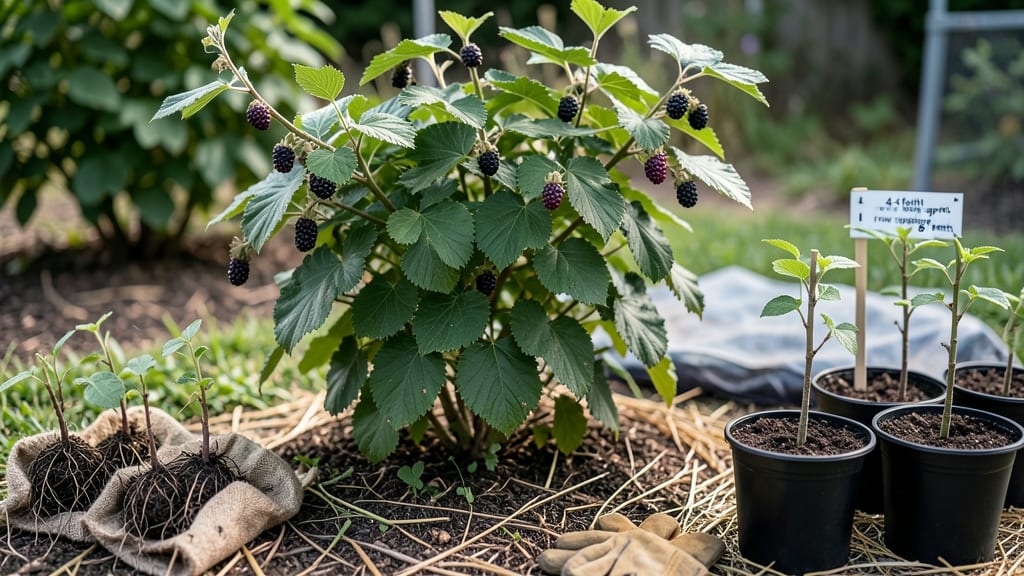
Timing your blackberry planting in Ohio could mean the difference between a thriving 🫐 harvest and wasted effort. With Ohio's USDA Zone 6a climate, getting the window right—typically early spring or late winter for bare-root plants—is critical to avoid frost damage while maximizing growth.
I've seen firsthand how Ohio's unpredictable spring weather can throw off even experienced gardeners. Plant too early, and a late frost might kill your delicate canes; too late, and you'll miss the optimal growing window before summer heat sets in.
The key is understanding your local microclimate and last frost dates.
In this guide, I'll walk you through the exact planting schedule that works for Ohio's short growing season, including soil prep tips and how to protect young plants.
Whether you're planting thornless varieties or traditional types, these insights will help you establish healthy bushes that produce bountiful fruit from mid-summer on.
Let's dive into the step-by-step approach that's helped Ohio gardeners successfully grow blackberries year after year, no matter where you are in the state.
Ohio’s best planting zones and microclimate-specific timing for blackberries
Ohio’s USDA hardiness zones 5b-6b create a delicate balance for blackberry planting—too early, and late frosts zap tender canes; too late, and you miss the ideal spring soil warming window.
The key? Understanding your microclimate—whether you’re in southern Ohio’s zone 6b or northern Ohio’s zone 5b—and adjusting planting dates accordingly.
Most Ohio gardeners aim to plant blackberries between mid-March and early May, but this varies by region.
Southern Ohio’s warmer microclimates (like Athens or Cincinnati) often see earlier last-frost dates (mid-April), while northern areas (like Cleveland or Toledo) may experience frosts until late April or early May. Even within cities, urban heat islands can push planting dates 1-2 weeks earlier than rural areas.
For thornless varieties (like 'Natchez' or 'Arapaho'), which are popular in Ohio for their ease of harvest, timing is slightly more flexible. These varieties tolerate cooler soils better than traditional types, making them a safer bet for northern Ohio gardeners.
Traditional varieties (like 'Triple Crown') need warmer soil temperatures (above 40°F) to establish roots quickly, so they’re best planted in southern Ohio or late spring.
Here’s how Ohio’s microclimates break down for blackberry planting:
For bare-root plants, which are most common in Ohio nurseries, aim to plant as soon as the soil is workable—typically 4–6 weeks before your last frost date. This gives roots time to establish before new growth begins.
If you’re planting potted blackberries, you have a bit more flexibility and can plant up to 2 weeks later than bare-root varieties.
Ohio’s clay-heavy soils can delay soil warming, so consider planting in raised beds or mounded soil to improve drainage and warmth. Add compost or well-rotted manure to the planting hole to boost fertility and help roots establish faster in cooler conditions.
This is especially critical in northern Ohio’s zone 5b, where soils stay cold longer.
Protect young plants from late frosts using row covers or cold frames until the danger of frost has passed. In southern Ohio, this might only be necessary for 1–2 weeks in April, while northern Ohio gardeners may need to extend protection until mid-May.
Monitor your local National Weather Service forecasts for frost warnings and be ready to cover plants quickly.
One final tip: If you’re planting fall-bearing varieties (like 'Black Satin'), which produce fruit on current-year canes, prioritize planting in early spring to maximize fruit production.
Summer-bearing varieties (like 'Cheyenne') are more forgiving and can handle slightly later plantings, but they’ll still benefit from an early start in Ohio’s short growing season.
Timing your blackberry planting to Ohio’s microclimates ensures your canes establish strong roots before summer heat arrives. With the right variety and preparation, you’ll be harvesting juicy blackberries by mid-summer—just in time for jams, pies, or fresh snacks! 🫐
Step-by-step blackberry planting schedule for Ohio’s short season
Ohio’s short growing season means every week counts when planting blackberries. My strategy focuses on early spring planting (March–April) to give your bushes a head start before summer heat arrives. For bare-root canes, late winter (February) works too, but only if the ground isn’t frozen.
Start by testing your soil’s pH level—blackberries thrive in acidic soil (5.5–6.5). If your soil is too alkaline, amend it with peat moss or sulfur before planting. I’ve seen Ohio’s clay-heavy soils cause drainage issues, so mixing in compost or sand is a game-changer.
Here’s your month-by-month planting schedule to maximize success in Ohio’s climate:
✅ Loosen soil to 12 inches deep and mix in compost.
✅ Soak bare-root canes in water for 2–4 hours before planting.
✅ Plant canes 2–3 feet apart in trenches 6–8 inches deep.
✅ Mulch heavily with straw or wood chips to retain moisture.
✅ Use row covers or cold frames if frost is forecasted.
✅ Apply balanced fertilizer (10-10-10) at 1/4 cup per plant.
✅ Prune any dead or damaged canes to encourage new growth.
✅ Water deeply 1–2 times per week (1–2 gallons per plant).
✅ Remove row covers once frost risk passes.
✅ Train canes to trellis or wires for support.
If you miss the spring window, fall planting (after harvest) is your second chance—but only if soil temps stay above 40°F. I’ve had success planting in late October in southern Ohio, but northern regions should wait until spring.
Pro tip: Mark your last frost date (typically mid-April in Ohio) on your calendar. Planting 2–3 weeks before ensures your blackberries establish roots before summer heat peaks. For urban gardeners, microclimates near buildings or pavement can warm up faster—adjust your timeline accordingly.
With this schedule, your blackberries will be ready for harvest by mid-summer, giving you a head start on Ohio’s short fruit-bearing window. 🫐