
Plants
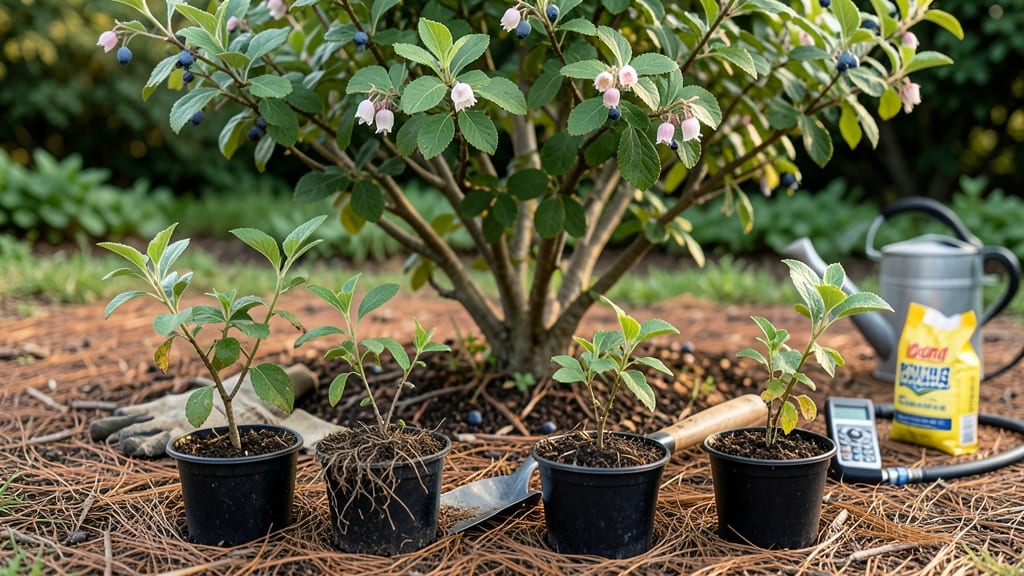
Timing your blueberry planting in Colorado isn’t just about following a calendar—it’s about outsmarting the state’s dramatic elevation shifts and unpredictable frost dates.
Whether you’re in Denver’s Zone 5b or Colorado Springs’ Zone 6a, planting too early or too late can mean the difference between a thriving 🫐 bush and a sad, stunted shrub.
Most gardeners assume spring is the only window, but Colorado’s high-altitude regions actually favor fall planting—September or October—when soil is still warm enough to encourage root growth before winter sets in.
The key? Knowing your last frost date (Denver’s is around April 15, but higher elevations like Boulder can delay it by weeks) and adjusting your schedule accordingly.
I’ve seen firsthand how a 2-week mistake can turn a promising blueberry patch into a frost-killed disappointment. That’s why I’m breaking down the exact planting windows for your specific elevation—plus how to prep soil, protect young plants from wildlife, and even container-grow blueberries if your yard isn’t ideal.
Ready to grow sweet, abundant berries year after year? Let’s dive into the elevation-specific calendar that’ll guarantee your blueberries thrive, no matter where you are in Colorado.
Colorado’s blueberry planting zones by elevation: best months for each region
Colorado’s dramatic elevation shifts—from Denver’s 5,280 feet to mountain peaks over 14,000 feet—mean blueberry planting times vary wildly. Lowland areas like Grand Junction can plant as early as March, while high-altitude Aspen gardens must wait until May or risk frost damage.
Understanding your elevation zone is the first step to success.
Blueberries thrive in USDA Zones 5-7, but Colorado’s microclimates create three distinct planting windows. Southern Colorado’s lower elevations (3,000–5,000 ft) enjoy longer growing seasons, while northern mountains (7,000+ ft) face shorter windows and earlier frosts. Let’s break down the best months for each zone to maximize survival and yield.
📊 Visual Guide: Colorado Blueberry Planting by Elevation
For lowland areas like Colorado Springs or Pueblo, spring planting in March–April aligns with soil warming and reduced frost risk. These zones also benefit from a fall planting window (September–October), allowing roots to establish before winter. Denver-area gardeners should aim for late April to avoid late frosts.
Mid-elevation zones (5,000–7,000 ft), including Boulder and Fort Collins, face cooler nights and delayed soil warming. Planting in April–May gives young roots time to establish before summer heat arrives. Fall planting is riskier here due to earlier frosts, so prioritize spring if possible.
High-altitude gardens (7,000+ ft), such as those in Aspen or Telluride, have the shortest growing seasons. Planting in May–June ensures roots avoid spring frosts while taking advantage of summer warmth. Fall planting is not recommended—these bushes need time to harden off before winter’s harsh freeze.
Regardless of elevation, soil preparation is critical. Blueberries demand acidic soil (pH 4.5–5.5) and well-draining conditions. Test your soil in February–March for spring planting or August for fall. Amend with peat moss or sulfur if needed, and avoid fresh manure, which raises pH.
Colorado’s southern slope (e.g., Grand Junction) enjoys 10–14 days earlier planting than the western slope (e.g., Gunnison) due to microclimates. Always check 7-day forecasts before planting—sudden cold snaps can devastate young bushes. Mulch heavily with pine needles or wood chips to insulate roots.
If you’re unsure about your elevation’s frost dates, consider container gardening for flexibility. Pots can be moved to sheltered spots during late frosts or brought indoors if temperatures drop below 20°F. Just ensure containers have drainage holes to prevent root rot in Colorado’s dry summers.
Signs your Colorado blueberry planting time is perfect (or too late)
Timing your blueberry planting in Colorado isn’t just about checking a calendar—it’s about reading your soil, weather, and plant signals. One of the biggest mistakes I see is planting too early when the ground is still frozen or too late when frost is looming.
The key is watching for these three critical signs that your planting window is ideal.
First, check your soil temperature. Blueberries need soil that’s at least 45°F (7°C) for roots to establish properly. Use a soil thermometer—if it’s colder, wait.
In Denver (Zone 5b), this usually aligns with mid-April, but higher elevations like Boulder (Zone 6b) may need to wait until late April or even early May.
Next, observe your blueberry plant’s buds. Healthy buds should be plump and slightly swollen, not shriveled or mushy. If you’re planting bare-root bushes, the roots should look moist but not soggy.
I once planted a batch in Colorado Springs (Zone 6a) when the buds were still dormant—those plants struggled all season.
🌱 Key Takeaways for Perfect Planting Timing
- Soil Temp: 45°F+ (use a thermometer)
- Bud Stage: Plump, not dormant or mushy
- Frost Risk: No hard frost predicted for 2 weeks
- Weather: Mild temps (50-70°F) for 3+ days
- Moisture: Well-drained, not waterlogged soil
Pro Tip: Check the National Weather Service for your local frost dates—Colorado’s mountain valleys can have microclimates that differ by miles!
Don’t overlook weather forecasts either. Aim to plant when mild temperatures (50-70°F) are forecasted for at least 3 days. Sudden cold snaps or hail risks (common in Colorado’s spring) can shock young plants.
I always cross-check the 10-day outlook before planting—last year, a late-May hailstorm in Fort Collins ruined several gardens that planted too early.
Finally, test your soil moisture. Stick your finger 2 inches deep—if it’s dry, water lightly the day before planting. Blueberries hate waterlogged soil, but they also need consistent moisture to root.
In drier regions like Grand Junction (Zone 7a), I recommend planting in September to avoid summer drought stress.
If you miss the ideal window, don’t panic! Blueberries can handle early fall planting (September-October) as long as they have 6-8 weeks to establish roots before winter. Just avoid planting when frost is imminent—young plants won’t survive.
With these signs in mind, you’ll know exactly when to dig in for healthy, productive bushes.