
Plants
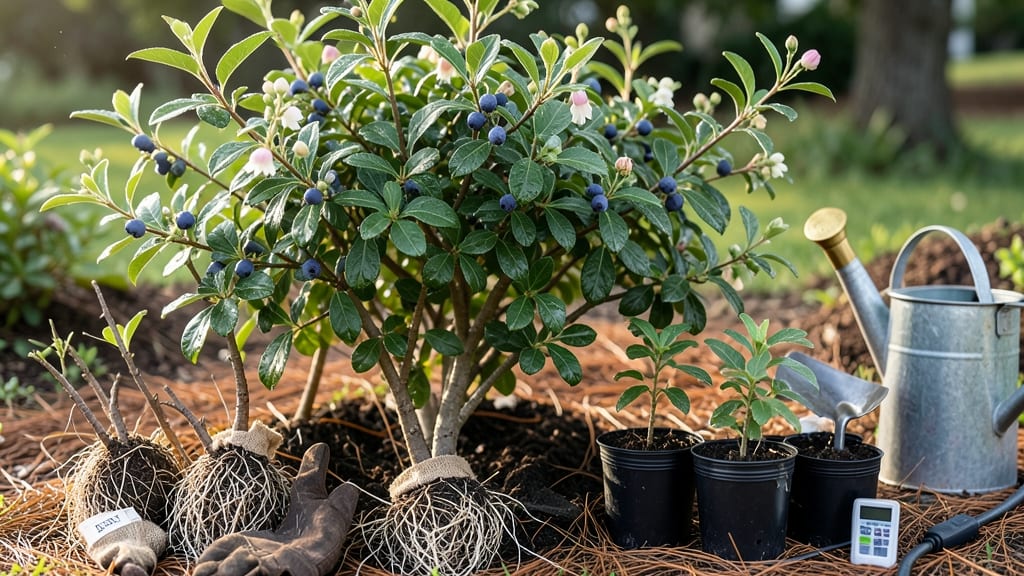
If you’ve ever dreamed of planting blueberries in Kentucky’s backyard, timing is everything—and getting it wrong could mean wasted effort. The right planting window isn’t just about the calendar; it’s about syncing your blueberry variety with Kentucky’s unpredictable frost dates and soil conditions.
Kentucky’s USDA zones 6a-7b offer a sweet spot for blueberries, but whether you’re planting in late winter or fall, the key is avoiding frost damage while giving roots time to establish.
Southern highbush, rabbiteye, and northern highbush varieties all have their own ideal windows, and local microclimates can shift those dates by weeks.
I’ll break down the best months to plant in Kentucky, how to prep your soil for maximum yield, and why some growers swear by container plants for urban gardens. Skip the guesswork—let’s get your blueberries off to the right start.
From soil pH to frost-sensitive varieties, here’s exactly what you need to know to turn your blueberry patch into a peak-yielding reality—without the common mistakes that trip up even experienced gardeners.
Optimal Kentucky blueberry planting months by variety type
Kentucky’s USDA zones 6-7 offer two prime windows for planting blueberries: late winter/early spring and fall. But not all varieties thrive at the same time—choosing the wrong window can delay fruiting by 1-2 years.
Southern highbush varieties, like ‘Peach Sorbet’, need warmer soil to establish roots, while northern varieties like ‘Bluecrop’ tolerate cooler spring temps better.
Spring planting (March-April) works best for bare-root plants in Kentucky’s warmer southern regions (e.g., Bowling Green). Fall planting (September-October) is ideal for container-grown bushes in cooler northern areas (e.g., Lexington), giving roots time to settle before winter.
The key? Plant when soil temps hit 40°F (4°C)—use a soil thermometer to check!
Here’s the breakdown for Kentucky’s most popular varieties and their ideal planting windows:
| Variety Type | Best Planting Window | Soil Temp Requirement | Kentucky Regions | Notes |
|---|---|---|---|---|
| Southern Highbush (e.g., ‘Peach Sorbet’, ‘O’Neal’) | March 15–April 15 (spring) or September 1–October 15 (fall) | 45–55°F (7–13°C) | Western KY (zones 6b-7a) | Heat-tolerant; needs acidic soil (pH 4.5–5.5). |
| Northern Highbush (e.g., ‘Bluecrop’, ‘Duke’) | March 1–April 30 (spring) or September 15–October 30 (fall) | 40–50°F (4–10°C) | Central/Eastern KY (zones 6a-7b) | Cold-hardy; best for cooler microclimates. |
| RabbitEye (e.g., ‘Tifblue’, ‘Climax’) | April 1–May 15 (spring only) | 50–60°F (10–15°C) | Western KY (zones 7a-8a) | Heat-loving; avoid fall planting—roots rot in warm soil. |
| Half-High (e.g., ‘Top Hat’, ‘Jubilee’) | March 10–April 30 (spring) or September 1–October 15 (fall) | 40–50°F (4–10°C) | All regions | Compact size; great for containers or small gardens. |
For bare-root plants, Kentucky’s last frost date (mid-to-late March) is your cue—plant 2–4 weeks before to let roots harden. Container-grown bushes, however, can handle fall planting until October 15, as their root systems are already established.
Pro tip: Mulch with pine straw or wood chips to maintain soil acidity and protect roots from temperature swings.
Kentucky’s limestone-heavy soil is a common pitfall—test your soil’s pH before planting. Aim for 4.5–5.5; if your soil reads higher, amend with elemental sulfur or peat moss 2–3 months before planting.
Southern highbush varieties, like ‘O’Neal’, are more forgiving with pH, while northern types like ‘Bluecrop’ demand strict acidity.
Timing also affects first-year fruiting. Southern varieties planted in spring may produce berries in their second year, while fall-planted northern types often wait until year three. Patience pays off—blueberries thrive longest when given time to establish a strong root system.
If you’re in Western Kentucky’s warmer zones (7a-8a), you can push spring planting to April 15 for rabbit-eye varieties like ‘Tifblue’, which need longer growing seasons to ripen.
One mistake I see often? Planting too early in Kentucky’s northern regions (e.g., Louisville). Soil temps below 40°F (4°C) can stunt root growth. Use a soil thermometer ($10 at garden centers) to confirm readiness. For container growers, fall planting is safer—roots won’t freeze in pots as quickly as in-ground plants.
Remember: Kentucky’s microclimates can shift planting windows by 2–4 weeks. Urban areas like Lexington often have warmer springs due to heat islands, while rural Appalachian zones may need to wait until April 15 for safe planting.
Always check your local Cooperative Extension Service for frost date updates—Kentucky’s last frost can vary by 2 weeks from one county to the next.
🌱
How Kentucky’s microclimates affect blueberry planting timing
Kentucky’s diverse geography—from the rolling hills of the Bluegrass Region to the flatter terrain of the Pennyrile Area—means frost dates and soil conditions can shift dramatically even within a single county.
These microclimates aren’t just regional quirks; they can push your ideal planting window 2-4 weeks earlier or later depending on where you live.
For example, Lexington’s USDA zone 6b might see its last frost in early April, while Paducah’s zone 7a could be frost-free by mid-March. Even within Louisville, urban heat islands can create pockets where soil warms 1-2 weeks faster than rural areas.
Ignoring these differences could mean your blueberry roots struggle to establish before winter sets in—or worse, that your new plants get fried by an unexpected late frost.
I’ve mapped out how to adjust your planting schedule based on Kentucky’s key regions, including elevation effects and humidity impacts. Whether you’re in the Appalachian foothills or the Western Coal Fields, these adjustments will help you avoid the most common timing mistakes that lead to failed blueberry bushes.
| Region | USDA Zone | Last Frost Date | First Frost Date | Best Planting Window | Key Adjustment |
|---|---|---|---|---|---|
| Bluegrass Region (Lexington, Louisville) | 6a-6b | Mid-to-late April | Mid-October | Late March - Early April or September | Urban areas warm faster; plant bare-root 1-2 weeks earlier in containers |
| Pennyrile Area (Paducah, Henderson) | 7a-7b | Early-to-mid March | Late September | February - March or late August | Lower humidity; extend fall planting to early November for container plants |
| Appalachian Foothills (Corbin, Somerset) | 6b-7a | Late April | Early October | Early April or late September | Higher elevation delays soil warming; use black plastic mulch to speed root establishment |
| Western Coal Fields (Hopkinsville, Pikeville) | 6a-6b | Mid-April | Mid-October | Late March - Early April or September | Limestone soil stays cold longer; amend with peat moss 4-6 weeks before planting |
If you’re unsure about your local frost dates, I recommend checking the Kentucky Mesonet or contacting your local Cooperative Extension Service—they’ll provide hyper-local data that generic planting guides can’t match.
For instance, the Northern Kentucky area often experiences earlier soil warming than the rest of the state due to its proximity to the Ohio River, making early March a safe window for container planting.
One final tip: If you’re in a high-humidity zone like the Bluegrass Region, avoid planting in late fall unless you’re using containers. The extra moisture can lead to root rot before winter dormancy sets in.
For these areas, I’ve had the most success with September planting—it gives roots enough time to establish before the first frost.
🌱