
Trees
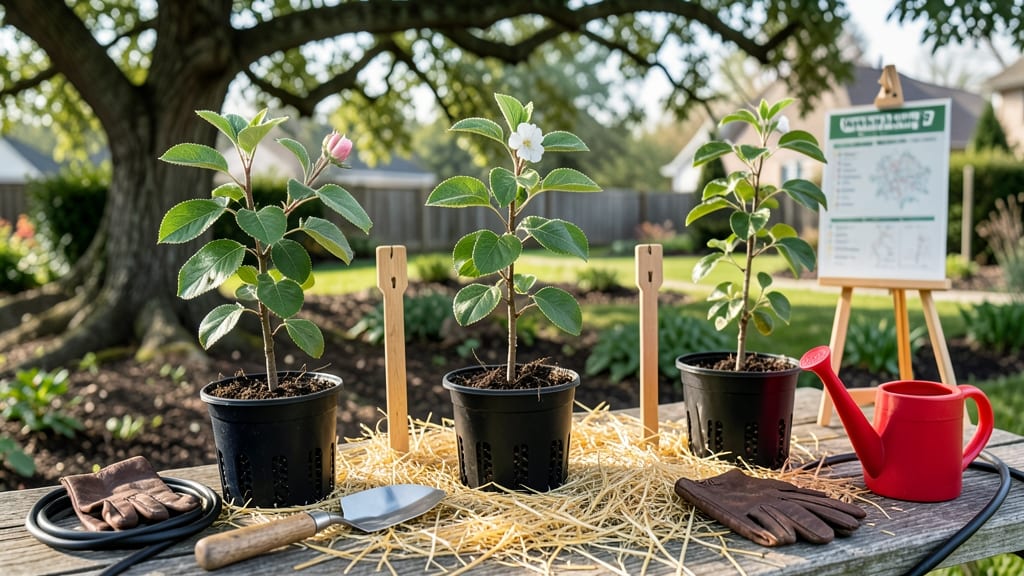
Timing your fruit tree planting in Kentucky can mean the difference between a thriving orchard and a sad, frost-bitten sapling. With Kentucky’s 6a-7b zones bringing unpredictable frost patterns, getting those roots in the ground at the right moment is everything.
Plant too early, and you risk frost heave; too late, and your tree won’t establish before winter sets in.
Most gardeners in Kentucky swear by late winter to early spring—think February through April—as the sweet spot for planting 🍎 fruit trees. But here’s the catch: your exact microclimate matters.
Louisville’s urban heat islands might give you an extra week, while rural areas in the Bluegrass Region could push back deadlines. We’ll break down the zone-specific windows so you never guess again.
You’ll also discover which varieties thrive best in Kentucky’s climate—like cold-hardy peaches, persistent apples, and persimmons that laugh at frost. Plus, we’ll cover soil prep, rootstock secrets, and post-planting care to ensure your new tree takes off like a rocket. Let’s get those fruit trees in the ground right.
Whether you’re a first-time gardener or a seasoned orchard keeper, this guide cuts through the confusion. No more second-guessing—just clear deadlines and foolproof steps to set your fruit trees up for success. Ready to plant with confidence?
Kentucky fruit tree planting deadlines by hardiness zone & microclimate
Kentucky spans USDA Hardiness Zones 5-7, meaning your fruit tree planting window depends heavily on where you live.
The last spring frost typically arrives between March 15 (southern KY) and April 15 (northern KY), while the first fall frost hits between November 1 (mountains) and November 15 (Bluegrass Region).
These dates create a 180-day growing season—critical for fruit trees that need time to establish roots before winter.
Most Kentucky gardeners plant fruit trees in early spring (March-April) or late fall (October-November). Spring planting gives roots time to establish before summer heat, while fall planting (6-8 weeks before frost) allows trees to focus on root growth rather than leaf production.
For stone fruits like peaches, spring planting is safest—these varieties are frost-sensitive when young. Apples and pears, however, handle fall planting better due to their cold hardiness.
Your exact planting window depends on your microclimate. Louisville’s urban heat island effect can delay frost by 1-2 weeks compared to rural areas, while the Appalachian foothills often see frost 10-14 days earlier.
Check your local Cooperative Extension Service frost maps or use a frost-free date calculator like the one from the National Oceanic and Atmospheric Administration (NOAA) to pinpoint your zone’s specifics.
Here’s your microclimate-specific planting timeline for Kentucky’s three main regions:
| Region | USDA Zone | Last Frost Date | First Frost Date | Ideal Planting Window | Best Varieties |
|---|---|---|---|---|---|
| Northern KY (e.g., Paducah, Henderson) | Zone 6a | April 1-15 | November 1-15 | March 15-April 15 (spring) or October 15-November 1 (fall) | Apples ('Liberty'), Pears ('Kieffer'), Plums ('Arkansas Black') |
| Central KY (e.g., Louisville, Lexington) | Zone 6b-7a | March 20-April 5 | November 10-25 | March 1-April 10 (spring) or October 1-November 10 (fall) | Peaches ('Haralson'), Cherries ('Stella'), Persimmons ('Meader') |
| Southern KY (e.g., Bowling Green, Paducah) | Zone 7a-7b | March 10-25 | td style="padding: 8px; border-bottom: 1px solid #2D5A3D;">November 5-20February 20-April 5 (spring) or September 20-November 5 (fall) | Figs ('Celeste'), Pecans ('Schley'), Muscadines ('Scuppernong') | |
| Appalachian Foothills (e.g., Morehead, Pikeville) | Zone 5b-6a | April 10-25 | October 25-November 10 | April 1-15 (spring only—fall planting risky) | Crabapples ('Dolgo'), Serviceberries ('June'), Mulberries ('Illinois Everbearing') |
For urban gardeners in Louisville or Lexington, consider planting 1-2 weeks earlier than the table suggests due to the urban heat island effect. These areas can have 5-10°F warmer microclimates, delaying
Best fruit tree varieties for Kentucky’s climate & when to plant them
Kentucky’s 6a-7b climate zones demand fruit trees that can handle late frosts and humid summers. The right variety planted at the right time means bountiful harvests for years.
I’ve narrowed it down to the top 5 cold-hardy options that thrive in Kentucky, complete with their ideal planting windows and care secrets.
First up, ‘Arkansas Black’ plums—these tough little trees handle Kentucky’s winter lows like a champ. Plant them in early spring (March) when soil temps hit 50°F. Their dark purple fruit ripens in late summer, just in time for jams or fresh eating.
For apples, ‘Haralson’ is a local favorite, best planted in late winter (February) to beat frost heave.
Don’t overlook peaches—yes, they can thrive in Kentucky! The ‘Redhaven’ variety needs a late spring planting (April) to establish roots before summer heat. Pair it with a windbreak to protect blossoms from late frosts.
Persimmons like ‘Fuyu’ are another winner; plant them in fall (October-November) for root growth before winter dormancy.
🍎
Plant in March; thrives in 6a-7a zones. Late frost-resistant fruit.
Plant in February; needs cross-pollination. Disease-resistant skin.
Plant in April; needs full sun. Blossom frost protection required.
Plant in October-November; drought-tolerant. Orange fruit in fall.
Plant in March; needs acidic soil. Sweet-tart fruit for pies.
Pro tip: Kentucky’s humidity can invite fungal diseases, so always plant with well-draining soil and a 3-inch mulch ring around the base. For cherries like ‘Elberta’, amend soil with sulfur to lower pH—these trees love acidic conditions. And here’s a secret: fall-planted trees (like persimmons) often outperform spring-planted ones in Kentucky’s climate.
If you’re in Zone 7b (like Louisville), you’ve got a slightly longer growing season—push peach planting to early April for better root establishment. But in Zone 6a (eastern KY), stick to March for apples and plums to avoid late spring frosts.
The key? Know your microclimate and adjust planting dates by 1-2 weeks accordingly.
🌱 For all varieties, water deeply once a week after planting, and avoid fertilizing until early spring of the following year. Your fruit trees will thank you with vigorous growth and heavy harvests in just a few seasons. Now grab those bare-root trees and get planting!