
Plants
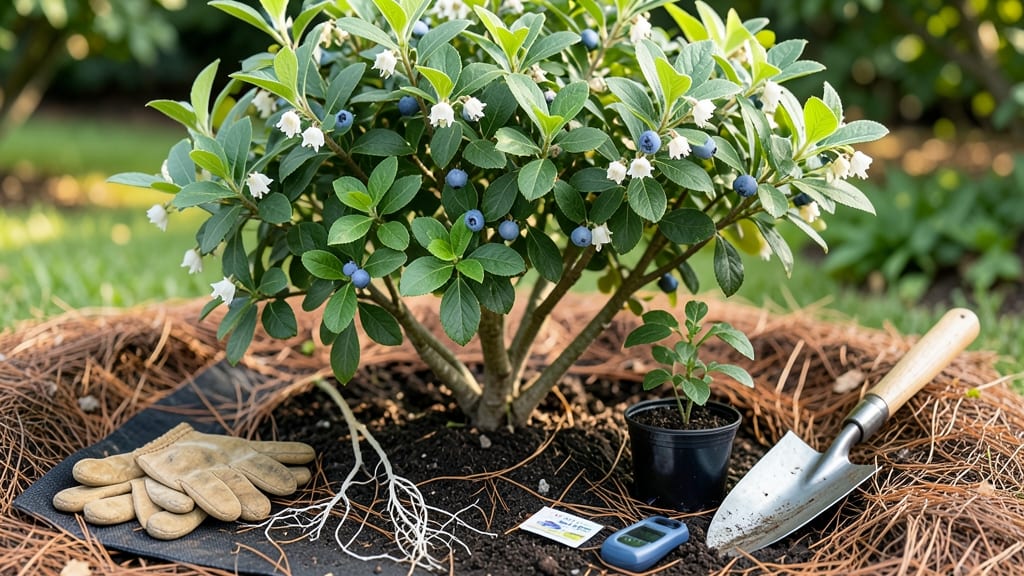
Timing your blueberry planting in New Jersey is the difference between thriving 🫐 bushes and struggling starts—especially when last frost dates can shift dramatically between USDA Zones 6B and 7A.
Whether you're a first-time gardener or a seasoned grower, getting this right means the difference between a bumper crop in June-August and wasted effort.
New Jersey’s climate throws curveballs: late frosts in April can still threaten young plants, while fall planting offers a second chance for root establishment before winter.
I’ll break down the two best windows—spring and fall—and how to adjust for your specific microclimate, whether you’re in northern NJ or closer to the coast.
You’ll also discover which blueberry varieties handle NJ’s short growing season best, how to prep soil for acidic-loving bushes, and when to watch for frost alerts. Let’s get those plants in the ground at the perfect moment so you can enjoy homegrown berries for years.
Ready to avoid common mistakes? I’ll share exactly what works in Zone 6B/7A, including soil prep tips and frost protection strategies that local nurseries swear by. Your blueberry patch starts here.
Best planting windows for NJ blueberries (USDA Zones 6B/7A)
New Jersey’s USDA Zones 6B and 7A offer two ideal windows to plant blueberries: early spring (March-April) and fall (September-October). Spring planting gives young bushes time to establish roots before summer heat, while fall planting avoids summer stress and takes advantage of cooler soil temperatures.
I always recommend fall planting for best survival rates in NJ’s variable climate.
For USDA Zone 6B (northern NJ), aim for late April to early May in spring or September 15-October 15 in fall. Zone 7A (southern NJ) can plant slightly earlier: March 15-April 15 in spring or September 1-October 1 in fall.
These windows maximize root establishment before winter dormancy or summer heat stress.
Soil temperature is critical—blueberries need 45°F (7°C) minimum for root growth. In NJ, soil typically reaches this in early April for spring planting. For fall, wait until soil temps drop below 60°F (15°C) to prevent premature root growth before winter.
🌱 Pro Tip: Check NJ’s NJ State Climate Office for real-time frost forecasts. Their last frost date maps help adjust planting dates yearly—some years, northern NJ may need to wait until May 1 to avoid frost damage.
| Planting Window | USDA Zone 6B (Northern NJ) | USDA Zone 7A (Southern NJ) | Key Considerations |
|---|---|---|---|
| Spring Planting | Late April - Early May | March 15 - April 15 | Soil temp ≥45°F; avoid late frosts |
| Fall Planting | September 15 - October 15 | September 1 - October 1 | Soil temp ≤60°F; 6-8 weeks before first frost |
| Soil Prep | Test pH (4.5-5.5); amend with sulfur | Test pH (4.5-5.5); amend with sulfur | Blueberries require acidic soil—never skip this step! |
| Plant Type | Bare-root or 1-gal containers | Bare-root or 1-gal containers | Container plants establish faster in NJ’s clay soils |
| Frost Risk | High (avg. last frost: April 15) | Moderate (avg. last frost: April 1) | Use frost cloth for spring plantings in Zone 6B |
I’ve planted blueberries in both seasons in my NJ garden, and fall planting consistently yields stronger first-year growth. The key is watering deeply after planting—blueberries need 1-1.5 gallons per plant immediately to establish roots.
In my Zone 6B garden, I always mulch with pine needles (free from local nurseries!) to maintain soil acidity.
For container growing in NJ, plant in early May to avoid frost. Containers warm up faster than ground soil, giving you a 2-week head start over in-ground plantings. Just ensure pots have drainage holes and use acidic potting mix (never regular garden soil).
🌿 Warning: Avoid planting blueberries in July or August—NJ’s summer heat causes transplant shock. Young roots can’t handle the stress, leading to stunted growth or death. If you miss the spring/fall windows, wait until next year.
Northern NJ gardeners should prioritize early-maturing varieties like ‘Patriot’ or ‘Jersey’ to maximize harvests before autumn frosts. Southern NJ can grow larger varieties like ‘Bluecrop’ with longer harvest windows. I’ll cover top NJ varieties in the next section—stay tuned for cultivar-specific planting tips!
☀️ Sunlight Tip: Blueberries thrive with 6+ hours of morning sun and afternoon shade in NJ’s hot summers. If planting near a south-facing wall, use shade cloth (30-50%) to prevent leaf scorch.
Best planting windows for NJ blueberries (USDA Zones 6B/7A)
New Jersey’s USDA Zones 6B and 7A create a unique challenge for blueberry planting—cool springs and warm summers demand precision. The ideal planting window spans late March through early May for spring planting or September through October for fall.
Spring planting gives roots time to establish before summer heat, while fall planting avoids drought stress and provides a head start for next year’s growth.
For USDA Zone 6B (northern NJ), aim for April 15 or later after the last frost date, while Zone 7A (southern NJ) can start as early as March 20.
Soil temperatures should reach 45°F (7°C)—use a soil thermometer to confirm. Planting too early risks frost damage, while late planting may stunt root development before winter.
📅 NJ Blueberry Planting Calendar
| Planting Window | USDA Zone 6B | USDA Zone 7A | Soil Temp | Risk Level |
|---|---|---|---|---|
| Spring Planting | April 15–May 10 | March 20–April 15 | 45°F+ (7°C+) | Moderate (late frost risk) |
| Fall Planting | September 1–October 15 | September 15–October 30 | 50°F+ (10°C+) | Low (established before winter) |
💡 Pro Tip: Fall planting is often preferred in NJ—roots grow in cool weather, and plants enter dormancy stronger.
If you miss the primary windows, August is a backup month for container-grown blueberries, but bare-root plants struggle in summer heat. For northern NJ, prioritize fall planting—cooler microclimates near water bodies (like lakes or rivers) reduce frost risk.
In southern NJ, early spring planting works well, but monitor Almanac frost forecasts for adjustments.
Soil preparation is critical—blueberries thrive in acidic soil (pH 4.5–5.5). Test your soil 4–6 weeks before planting and amend with peat moss or sulfur if needed.
Choose a well-draining location with morning sun and afternoon shade to prevent heat stress. Mulch with pine needles or wood chips to maintain acidity and moisture.
Container growing is another option for urban NJ gardeners. Plant in acidic potting mix and use 5-gallon pots for dwarf varieties like ‘Top Hat.’ Containers warm up faster in spring, so delay planting until mid-May to avoid frost damage. Water consistently—containers dry out 3x faster than ground soil.
Remember: Blueberries take 2–3 years to bear fruit, so patience is key. Planting at the right time ensures your bushes establish strong roots and reward you with years of sweet, homegrown berries. 🫐