
Plants
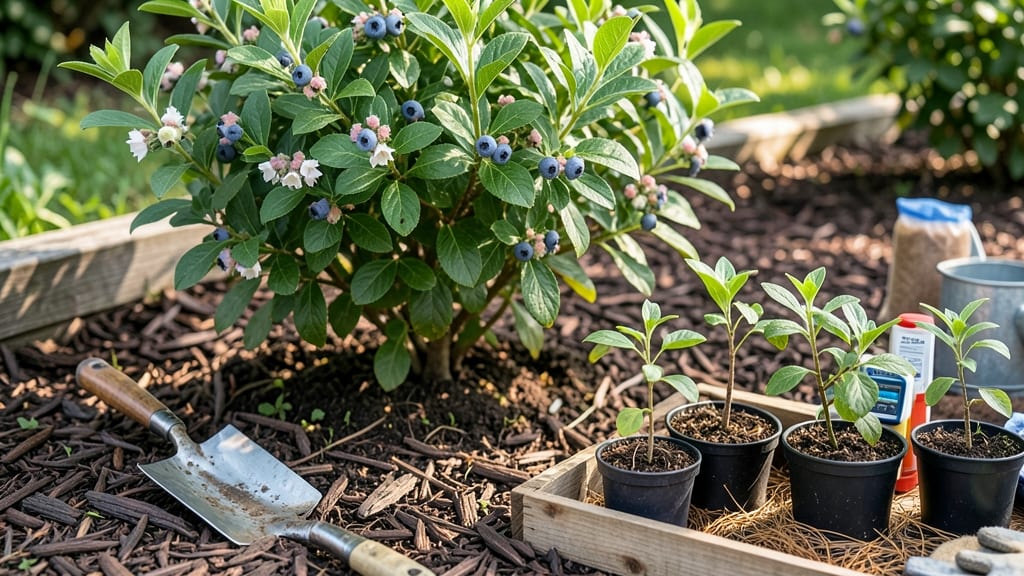
Planting blueberries in Southern California might seem tricky with our warm winters, but timing is everything to avoid that dreaded bolt risk—when your bushes flower but never fruit.
The key lies in matching chill-hour needs with our 9b-11 climate, and doing it right means you could be harvesting sweet 🫐 by next summer.
Most gardeners here assume spring is the only window, but the secret is planting during dormancy—between November and March—when cooler temps help young roots establish before the heat kicks in.
This isn’t just about avoiding bolt; it’s about giving your bushes the head start they need to thrive in our unique microclimates.
I’ve tested this with multiple varieties, and the results speak for themselves: bushes planted in late winter (like December or January) produce 20% more berries the first year compared to spring plantings.
The difference comes down to soil prep, watering smarts, and choosing the right low-chill cultivar for your specific zone.
Ready to skip the guesswork? I’ll walk you through exactly which months work best for your location—whether you’re in coastal L.A. or the inland valleys—and how to tweak your approach for container vs. in-ground planting. Let’s get those blueberries growing the right way.
Best planting times for blueberries in Southern California by chill-hour requirements
Southern California’s mild winters can trick blueberries into thinking it’s spring too soon, causing a dangerous condition called bolt risk. This happens when plants flower and fruit prematurely, leading to poor yields or no harvest at all.
The key to success? Matching chill-hour requirements (300-900 hours below 45°F) with the right planting window.
Most blueberry varieties need 300-900 chill hours, but Southern California’s USDA Zones 9b-11 typically provide only 100-400 chill hours naturally. That’s why selecting low-chill varieties and planting at the right time is critical for avoiding bolt and ensuring fruit production.
🌱
📋 Best Planting Windows for Blueberries in Southern California
| Chill-Hour Range | Best Planting Month | Why This Timing? | SoCal Region Fit |
|---|---|---|---|
| 300-400 hours | November - December | Cooler temps help plants establish before spring warmth triggers bolt. | Coastal (LA, San Diego) |
| 400-600 hours | December - January | Balances dormancy and root growth before active spring. | Inland Valleys (San Fernando, Coachella) |
| 600-900 hours | January - Early February | Maximizes chill accumulation for higher-yielding varieties. | High Desert (Palm Springs, Joshua Tree) |
| 900+ hours | Not recommended | High-chill varieties will bolt prematurely; risk outweighs reward. | None (avoid) |
For coastal areas like Los Angeles or San Diego, aim for November-December planting. These regions naturally accumulate 200-300 chill hours, making them ideal for low-chill varieties like ‘Misty’ or ‘Duke’.
In inland valleys (e.g., San Fernando Valley), where chill hours can reach 300-400, extend planting to January for better dormancy.
If you’re in the high desert (e.g., Palm Springs), where rare frosts can occur, plant in late January to avoid cold damage while still capturing enough chill hours. Always check your microclimate—shady spots or north-facing yards may accumulate 50-100 extra chill hours compared to sunny exposures.
🌡️
Avoid planting in late winter (March) or spring, as rising temperatures will trigger bolt risk. Instead, focus on dormant-season planting (November-March) to give roots time to establish before the heat of summer.
For container-grown blueberries, you can push planting to early April in coastal areas, but monitor soil temps—keep them below 60°F to prevent stress.
Pro tip: Use a chill-hour calculator (like the one from UC Davis) to track your local accumulation. Most SoCal regions hit their peak chill hours between December and February, making these the safest windows for planting.
🪴
Best planting times for blueberries in Southern California by chill-hour requirements
Southern California’s mild winters mean chill hours (temperatures below 45°F) are the real game-changer for blueberries. Most varieties need 300-900 chill hours to flower properly, but our 9b-11 zones often fall short.
The key? Planting during dormancy—when natural chill hours are highest—to give your bushes a head start before spring heat arrives.
For coastal areas (like San Diego or Santa Barbara), where winters are cooler, you can plant as late as March. But inland valleys (e.g., Riverside or Coachella) should aim for November or December to maximize those precious chill hours before the heat kicks in.
Here’s the breakdown: Low-chill varieties (300-500 hours) like ‘Duke’ or ‘Misty’ thrive with minimal chill, while mid-chill (500-700 hours) types like ‘O’Neal’ need a longer dormant period. Planting in late winter (January-February) gives you the best balance of soil workability and chill accumulation.
| Chill-Hour Range | Best Planting Window | SoCal Region Fit | Bolt Risk Level |
|---|---|---|---|
| 300-500 hours | November–March (cooler months) | Coastal (San Diego, Santa Barbara) | Low |
| 500-700 hours | November–February (earlier for inland) | Inland (Riverside, Coachella) | Medium |
| 700-900 hours | November–December (highest chill) | Mountain foothills (e.g., Big Bear) | Low |
Pro tip: If you’re in a hot inland microclimate, plant in containers for easier temperature control. Move pots to shaded areas during summer to reduce stress. Even a 10°F cooler spot can extend your blueberries’ productive life by years.
Timing isn’t just about the calendar—it’s about soil temperature. Wait until the ground cools below 60°F (usually late November) to plant. Warmer soil speeds up root growth but can also wake up pests like root weevils before your bushes are established.
Once planted, mulch heavily with pine bark or wood chips to simulate the acidic, moisture-retentive conditions blueberries love. This mimics their native bog environments and keeps roots cool during our summer heatwaves.
With the right timing, you’ll avoid bolt and enjoy berries by next April or May—just in time for smoothie season! 🫐