
Plants
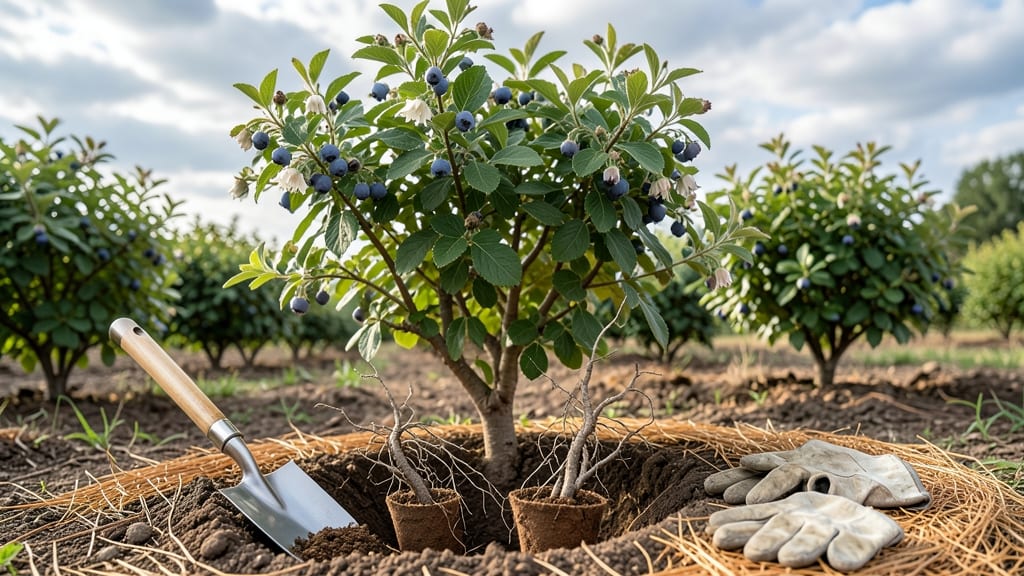
Timing your Blueberry Bush 🫐 planting in Alabama isn’t just about following a calendar—it’s about matching your variety to the state’s tricky climate. Plant too early, and you risk blooms without enough chill hours; too late, and your bushes may struggle to establish roots before summer heat hits.
Alabama’s USDA zones 7a-8b create unique challenges, where fall planting (October-November) often works better than spring for container-grown bushes. But bare-root varieties need that late winter window (February-March) to avoid frost damage. The key? Understanding how your blueberry type’s chill-hour needs align with your local microclimate.
I’ll walk you through the exact planting windows for Southern Highbush, Rabbiteye, and half-high varieties—plus soil prep secrets to ensure your bushes thrive.
Whether you’re in North Alabama’s cooler zones or the Gulf Coast’s warmer stretches, these tips will help you time it right for reliable blooms and bountiful harvests.
Ready to grow juicy, homegrown blueberries? Let’s dive into the science behind Alabama’s best planting strategies so you can avoid common mistakes and set your bushes up for success.
Alabama’s best blueberry planting months by chill-hour requirements
Alabama’s USDA zones 7a-8b create unique challenges for blueberry growers. Unlike northern climates, our mild winters mean most varieties need 300-900 chill hours to break dormancy. Planting too early risks premature blooming before the last frost, while late planting delays root establishment before summer heat arrives.
The optimal planting window in Alabama spans late winter to early spring (February-March) for bare-root bushes and fall (October-November) for container-grown plants. This timing ensures bushes establish roots before summer stress while meeting chill-hour requirements for reliable blooming.
Northern Alabama (zones 7a-7b) typically has 500-700 chill hours, favoring Southern Highbush varieties like 'Climax' or 'Premier'. Southern Alabama (zone 8a-8b) with 300-500 chill hours thrives with Rabbiteye types such as 'Tifblue' or 'Powderblue'.
Fall planting (October-November) gives roots time to establish before winter, while spring planting (February-March) avoids summer drought stress. Always plant 4-6 weeks before your area's last frost date to prevent cold damage to new growth.
For Northern Alabama, prioritize Southern Highbush varieties with 500-700 chill hours. Plant in late winter (February-March) to ensure roots establish before summer heat. In Southern Alabama, Rabbiteye varieties (300-500 chill hours) planted in fall (October-November) thrive better due to their heat tolerance.
Always check your local last frost date—North Alabama's mid-March average contrasts with South Alabama's early March. Planting 4-6 weeks before this date gives bushes time to harden off without risking frost damage to tender new growth.
Soil temperature matters too—roots need 40°F+ to grow actively. In Alabama, this typically occurs by mid-February in North and early February in South. Use a soil thermometer to confirm before planting container-grown bushes in spring.
Pro tip: Mulch heavily after planting with pine straw or wood chips to maintain soil moisture and temperature. This is especially critical in Alabama's hot, humid summers where mulch can reduce soil temps by 10°F+.
Remember, chill-hour requirements determine bloom timing. Planting a 500-hour variety in zone 8b may result in poor fruit set if not given proper winter dormancy. Always match your variety to your microclimate for consistent harvests.
Top 5 blueberry varieties for Alabama gardens and their ideal planting timelines
Choosing the right blueberry variety 🫐 for Alabama means balancing chill-hour needs with heat tolerance. Southern Highbush varieties like ‘Climax’ thrive in warmer zones (7b-8a), while Rabbiteye types like ‘Tifblue’ handle North Alabama’s cooler winters. Each variety has a specific planting window that aligns with its dormancy cycle.
For Southern Highbush types, aim for late winter (February-March) planting when soil temperatures rise above 40°F. These varieties need 300-500 chill hours, making them perfect for Alabama’s Gulf Coast regions where winters are milder. Container-grown bushes can also be planted in fall (October-November) for early root establishment.
Rabbiteye varieties like ‘Premier’ require 500-800 chill hours, ideal for North Alabama’s cooler zones (7a). Plant these in early spring (March) to avoid late frosts, or in late fall (November) if using container-grown stock.
Half-high varieties like ‘Chippewa’ bridge the gap with 400-600 chill hours, making them versatile for most of the state.
Early-season bloomers like ‘Climax’ produce fruit 4-6 weeks earlier than Rabbiteye types, which is critical for Alabama’s short growing season. If you’re in North Alabama (7a), prioritize varieties with 600+ chill hours to ensure reliable blooming.
For South Alabama (8a-8b), focus on Southern Highbush types that tolerate heat better.
Pro tip: Pair early and late bloomers (e.g., ‘Climax’ + ‘Tifblue’) to extend your harvest window from May to June. This strategy works especially well in Alabama’s transition zones where microclimates vary dramatically.
Always check your local last frost date—North Alabama’s mid-March vs. South Alabama’s early March can shift your planting window by weeks.
Remember, container-grown bushes planted in fall have a head start on root growth, while bare-root varieties need that late winter window to avoid frost damage.
Test your soil’s pH (4.5-5.5) before planting—Alabama’s native soil is often too alkaline for blueberries, so amend with peat moss or sulfur 2-3 months before planting.