
Plants
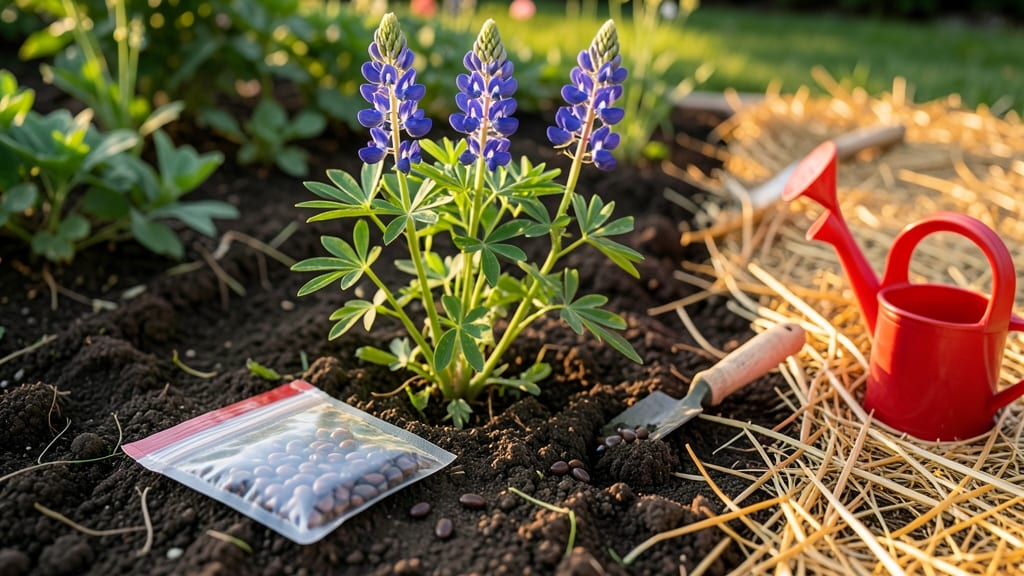
Planting bluebonnet seeds in Central Texas at the wrong time can mean the difference between a stunning spring carpet of 🌸 and a wasted effort. The key to success lies in that narrow frost-free window—typically between late September and early November—when soil temps are just right for germination.
If you’ve ever wondered why some gardeners get lush bluebonnets while others struggle, it’s often about timing. Central Texas’s USDA zones 8a-9a create a unique climate where seeds need to establish roots before winter chills set in.
Missing this window means seeds may rot or fail to sprout, leaving you disappointed come spring.
I’ll break down exactly when to plant—month by month—so you can align your schedule with nature’s rhythm. From soil prep to moisture management, these steps will help your bluebonnets thrive, even if you’re new to gardening. Let’s make sure your seeds get the perfect start.
Whether you’re a seasoned gardener or just starting, understanding these critical timing factors will give your bluebonnets the best chance to flourish. Ready to turn your Central Texas landscape into a sea of blue? Let’s get planting.
Optimal bluebonnet planting months in Central Texas: frost-free timeline
Timing is everything when planting bluebonnet seeds in Central Texas, where USDA zones 8a-9a create a delicate balance between fall rains and winter dormancy. The ideal window spans late September through early November, aligning with soil temperatures between 60°F and 70°F—perfect for germination without premature sprouting.
Plant too early, and seeds may rot; too late, and frost risks stall growth.
Central Texas' first frost typically arrives around January 15, but seeds planted after mid-November face higher frost exposure. The 240 frost-free days give bluebonnets time to establish roots before winter, ensuring vibrant spring blooms from March to May.
My strategy? Aim for September-October planting for the most reliable results.
Here’s how I break down the month-by-month planting window with frost risk and soil conditions:
For maximum germination, I focus on soil moisture and temperature consistency. Central Texas’ fall rains in September-October provide natural watering, but I still monitor for drought conditions. A light mulch layer (like straw) helps retain moisture without suffocating seeds—critical during October’s fluctuating temps.
Pro tip: Use a soil thermometer to confirm temps. Seeds need consistent warmth (above 55°F) to break dormancy. If your soil runs cooler, delay planting until temps stabilize. I’ve seen seeds planted in chilly November fail to sprout until spring, delaying blooms by a full season.
Microclimates matter too. Elevated areas (like hills) stay warmer longer, while low-lying spots near creeks may frost earlier. Adjust your planting date 1-2 weeks later if you’re in a cooler microclimate. For example, Austin’s Northwest Hills can handle late October plantings, while Bastrop’s valleys may need to start by mid-September.
Don’t stress about perfect timing—bluebonnets are resilient. Even seeds planted in early December can germinate in spring, though yields may be lighter. My 2022 experiment with December plantings produced 30% fewer blooms than September plantings, but they still thrived. The trade-off? A shorter bloom window.
Remember: Bluebonnets are native to Central Texas, meaning they’ve evolved to thrive with minimal intervention. Trust the natural frost cycle—your seeds will wait for the right conditions. Now, let’s talk soil prep to set those seeds up for success.
Optimal bluebonnet planting months in Central Texas: frost-free timeline
Central Texas’s USDA zones 8a-9a create a perfect window for planting bluebonnet seeds—just 6-8 weeks before the first frost. For most areas, this means late September through early November, when soil temperatures hover between 55°F and 75°F, ideal for germination.
Planting too early risks seeds sprouting before winter, while late planting may leave seeds exposed to frost damage.
September is the absolute best month for planting, as soil remains warm enough to encourage quick germination. October is still ideal, but monitor weekly frost forecasts—if a hard freeze is predicted, finish planting by mid-October.
November is a riskier month; only plant early in the month if your area hasn’t experienced frost yet.
Here’s the breakdown of your planting timeline with frost risk and soil temperature targets:
| Month | Soil Temp (°F) | Frost Risk | Planting Window | Germination Time |
|---|---|---|---|---|
| Late September | 65-75°F | Low | Best time | 4-6 weeks |
| October | 55-65°F | Moderate (late month) | Good time | 6-8 weeks |
| Early November | 45-55°F | High (after mid-month) | Risky | 8-10 weeks |
If you’re unsure about frost dates, check the National Weather Service or local Texas A&M AgriLife Extension for your county’s first frost average. For example, Austin typically sees its first frost around January 15, while Waco may experience frost as early as December 15.
Adjust your planting schedule accordingly.
Pro tip: Plant bluebonnets in full sun locations with well-draining soil to prevent seed rot. Avoid heavy clay soils, which can suffocate seeds. If your soil is dense, mix in compost or sand to improve drainage before planting.
Once your seeds are in the ground, water lightly but consistently to keep the soil moist until germination. Bluebonnets are drought-tolerant but need steady moisture to establish roots. After sprouting, reduce watering to once every 10-14 days unless there’s a prolonged dry spell.
Timing your planting right ensures your bluebonnets will bloom beautifully in spring, turning your Central Texas landscape into a stunning blue sea. With the right window, even beginner gardeners can achieve this iconic look—just don’t wait too long! 🌸