
Plants
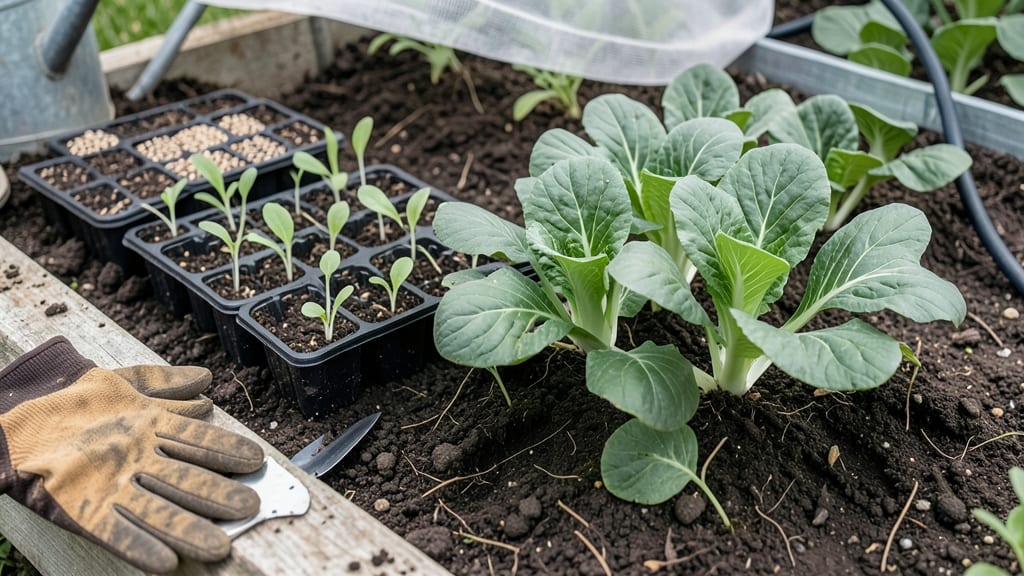
If you've ever planted bok choy 🥬 in Zone 9 only to watch it bolt before you could even harvest, you're not alone.
The key to growing crisp, tender bok choy in Southern California, Phoenix, or Arizona isn't just about planting—it's about timing everything perfectly to avoid the summer heat and winter chill.
Most gardeners in Zone 9 make the mistake of planting too early or too late, but the sweet spot for bok choy is actually September through March. This window lets you bypass the extreme temperatures that trigger bolting, ensuring your plants stay happy and productive until harvest time.
In this guide, I’ll walk you through the exact planting schedule, soil prep, and spacing tips to maximize your bok choy harvest. Whether you're a beginner or a seasoned gardener, these strategies will help you grow the freshest, most flavorful bok choy 🥬 all season long.
Ready to say goodbye to bitter, bolted greens and hello to a steady supply of homegrown goodness? Let’s get started with the perfect planting plan for your Zone 9 garden.
Optimal bok choy planting windows in Zone 9 to avoid bolting
In Zone 9, where summer temperatures can soar and winters stay mild, timing your bok choy 🥬 planting is everything. The key is to plant when daytime highs stay below 75°F—any hotter, and your bok choy will bolt faster than you can say "stir-fry."
My best results come from planting in September through March, but let’s break it down month by month for foolproof success.
For direct sowing, aim for September 15 to October 15—this gives your bok choy time to mature before winter chill sets in. If you’re transplanting young starts, stretch that window to August 1 to November 1, but avoid late November if your winters get chilly.
In Southern California, you can even squeeze in a January planting for spring harvests!
Here’s the Zone 9 bok choy planting schedule at a glance, including ideal soil temps and harvest windows to keep your greens crisp and tender:
| Planting Window | Soil Temp (°F) | Method | Harvest Time | Notes |
|---|---|---|---|---|
| Mid-September | 60-70°F | Direct Sow | October-November | Best for fall harvests |
| Late September | 55-65°F | Transplant | November-December | Avoid summer heat |
| October | 50-60°F | Direct Sow | November-January | Ideal for winter greens |
| November | 45-55°F | Transplant | December-February | Protect from light frost |
| January | 50-60°F | Direct Sow | February-April | Spring harvest potential |
One critical tip for Zone 9 gardeners: bok choy hates heat stress. If you’re planting in late summer, provide 30-50% shade cloth to keep leaves cool. I’ve seen bok choy bolt in 80°F+ temps even with perfect watering—so don’t skip this step!
For succession planting, sow new seeds every 2-3 weeks from September to November. This ensures a continuous harvest without gaps. Just remember: bok choy grows fastest in cool weather, so your fall plantings will mature quicker than spring ones.
Pro tip: Use black plastic mulch in summer to warm the soil for early September plantings, or straw mulch in winter to insulate roots. Both tricks help you stretch your planting window by a few weeks in either direction.
If you’re in Arizona’s desert climate, where nights can drop below 40°F, protect young plants with row covers until they’re established. In coastal Zone 9 (like San Diego), you might even get away with year-round plantings, but bolting risk increases in summer.
Finally, always check your microclimate. A shady spot in your yard might stay 10°F cooler than the sunny side, giving you an extra 2-3 weeks of planting flexibility. Use a soil thermometer to confirm temps before sowing—this is my secret weapon for zero-bolt bok choy 🥬!
Optimal bok choy planting windows in Zone 9 to avoid bolting
Zone 9 gardeners have a narrow but perfect window for planting bok choy—September through March—where temperatures stay ideal for growth without triggering bolting. The key is avoiding summer heat (above 85°F) and winter chills (below 50°F), which both stress the plant.
For direct sowing, start seeds 4-6 weeks before your first expected cool spell (usually mid-September). If transplanting seedlings, wait until soil temperatures drop below 75°F—typically late August to early September in most Zone 9 regions.
Here’s the breakdown of your Zone 9 planting schedule to maximize harvests before bolting sets in:
| Month | Planting Method | Ideal Soil Temp (°F) | Harvest Window |
|---|---|---|---|
| September | Direct sow or transplant | 60-75°F | October-November |
| October | Direct sow or transplant | 55-70°F | November-December |
| November | Direct sow only | 50-65°F | December-January |
| February | Direct sow or transplant | 55-70°F | March-April |
| March | Direct sow or transplant | 60-75°F | April-May |
In Southern California, where coastal areas stay milder, you can extend planting into early April. Meanwhile, Phoenix and Arizona gardeners should prioritize September and October plantings to avoid the harsh summer heat.
Pro tip: Use shade cloth (30-50%) if planting in late summer to protect seedlings from residual heat. This simple trick can delay bolting by 2-3 weeks and give you an extra harvest cycle.
For succession planting, sow new seeds every 2-3 weeks from September through February. This ensures a continuous supply of fresh bok choy without gaps in your harvest schedule.