
Trees
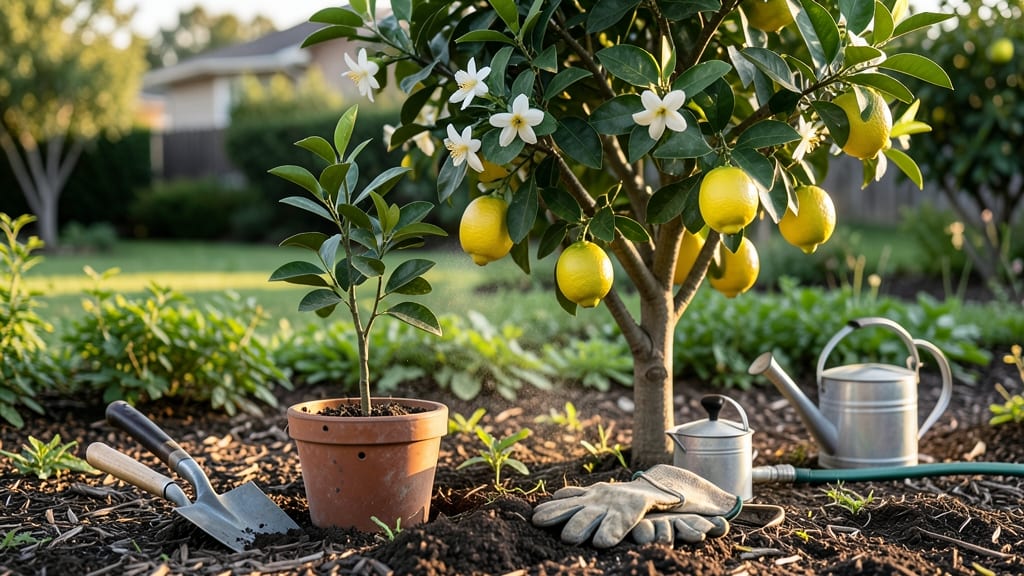
Timing your 🍊 citrus tree planting in Southern California isn't just about picking a month—it's about avoiding frost risks, heat stress, and giving your tree the best shot at thriving. With the right schedule, you'll set up your citrus for strong roots and bountiful harvests year after year.
Most gardeners know Southern California's mild climate is ideal for citrus, but even here, late winter to early spring (February–April) remains the golden window. This timing lets young roots establish before summer's peak heat, while avoiding the rare frost risks that can sneak into inland valleys.
But what if you missed that window? Don't worry—we'll cover how to adjust for container planting, variety-specific needs, and even summer transplants. The key is understanding your microclimate, whether you're near the coast or tucked in the inland desert.
Let's break down the exact months that work best for your 🍊 citrus tree, plus pro tips to keep your trees happy no matter when you plant. Ready to get started?
Best months to plant citrus trees in Southern California for maximum survival
Southern California’s Mediterranean climate makes it ideal for citrus trees, but planting timing directly impacts survival rates. Unlike northern regions, we rarely face frost, but heat stress and soil temperature still play critical roles.
The best windows are late winter to early spring (February–April) and early fall (September–November), when temperatures are mild and rainfall supports root growth.
These months align with citrus dormancy cycles and avoid the peak summer heat (June–August) that can shock young roots. Coastal areas like San Diego enjoy warmer microclimates year-round, while inland valleys (e.g., Riverside) may experience rare light frosts in winter—even if minimal.
Let’s break down the science behind these windows to help you choose the perfect time for your tree.
📊 Key Data: Southern California’s USDA Zones 9b–11 mean citrus can technically be planted year-round, but root establishment is fastest in cooler seasons. For example, Los Angeles averages 68°F soil temps in March—ideal for planting—while July soils can hit 90°F+, risking transplant shock.
| Planting Window | Soil Temp (°F) | Frost Risk | Best For |
|---|---|---|---|
| February–April | 60–75°F | None (coastal) / Rare (inland) | Bare-root or container trees |
| September–November | 65–80°F | None | Established trees or late-season varieties |
| May–August | 80–100°F+ | None | Container trees only (high heat risk) |
For bare-root citrus trees, February–April is optimal because cooler temps slow water loss while roots establish. In contrast, container-grown trees can handle summer planting if you provide afternoon shade and daily watering.
However, summer planting often results in transplant shock due to evaporative stress—even drought-tolerant citrus hate sudden heat exposure.
Inland areas like San Bernardino or Palm Springs have slightly higher frost risk (though rare), so avoid planting in December–January unless you’re using heat-loving varieties like Meyer lemons.
Coastal cities like Santa Barbara or San Diego can plant year-round with minimal risk, but spring and fall still yield the best survival rates.
Pro tip: Check your local Cooperative Extension office for microclimate data. For example, Pasadena might have 5°F cooler nights than Long Beach, affecting your ideal planting window. Always test soil temperature at 6 inches deep—it should be above 60°F for safe planting.
If you’re planting in containers, timing matters less, but spring or fall still gives you the edge. Containers dry out faster in summer, so self-watering systems become essential.
For in-ground planting, February is my top pick—it’s early enough to avoid summer heat but late enough to let roots benefit from winter rains.
One common mistake? Planting in late spring (May–June) and assuming citrus will handle the heat. While true, newly planted trees lack the root depth to regulate moisture, leading to leaf scorch or root rot. Always prioritize root establishment over convenience—your tree’s long-term health depends on it.
🌱 For maximum survival, aim for February–April in most of Southern California. If you’re in a high-elevation inland valley, err on the side of early spring (March–April) to avoid any residual frost risk.
Your citrus tree will thank you with vibrant growth and abundant fruit for years to come!
How to adjust planting time based on citrus variety and location
Not all 🍊 citrus trees thrive on the same schedule, and your location in Southern California plays a huge role in timing. Coastal areas like San Diego enjoy mild winters year-round, while inland valleys like Riverside can experience rare frost dips below 32°F.
Understanding these nuances helps you plant the right variety at the right time for maximum success.
For lemon trees, which are the most frost-tolerant citrus, you can plant as early as January in coastal zones.
Inland areas should wait until March to avoid any unexpected cold snaps. Orange trees, especially Valencia or Navel varieties, prefer the February–April window everywhere—this gives their roots time to establish before summer’s intense heat.
Grapefruit trees are even more sensitive to cold, so inland gardeners should delay planting until April or opt for container growing to move them indoors during rare frost events. Meanwhile, lime trees (like Key or Persian limes) adapt well to coastal planting in late winter, but inland plantings should wait until late spring to avoid stress.
| Citrus Variety | Coastal Planting Window | Inland Planting Window | Key Adjustment |
|---|---|---|---|
| Lemon | January–March | March–April | Frost-resistant; avoid early inland planting |
| Orange (Valencia/Navel) | February–April | March–April | Establish roots before summer heat |
| Grapefruit | March–April | April–May | Cold-sensitive; delay or use containers |
| Lime (Key/Persian) | February–March | May–June | Inland: wait for stable warmth |
Container planting offers flexibility for inland gardeners. You can plant citrus trees year-round in pots and move them indoors during rare frost warnings (typically December–February). Just ensure your containers have drainage holes and use a well-draining potting mix to prevent root rot.
For ground planting, always check your local USDA Zone 9b–11 frost alerts—some inland areas like Riverside or Temecula can dip below freezing.
If you’re planting in summer (June–August), focus on watering deeply and providing afternoon shade for the first few weeks. Young trees struggle with transplant shock in extreme heat, so mulch heavily with 3–4 inches of wood chips to retain moisture.
Coastal gardeners can push summer planting further, but inland areas should avoid it unless using containers.
Pro tip: Rootstock matters. Trees grafted onto trifoliate orange rootstock handle cold better than those on sour orange. If you’re in a high-risk inland area, ask your nursery for cold-hardy rootstock options to extend your planting window safely.