
Plants
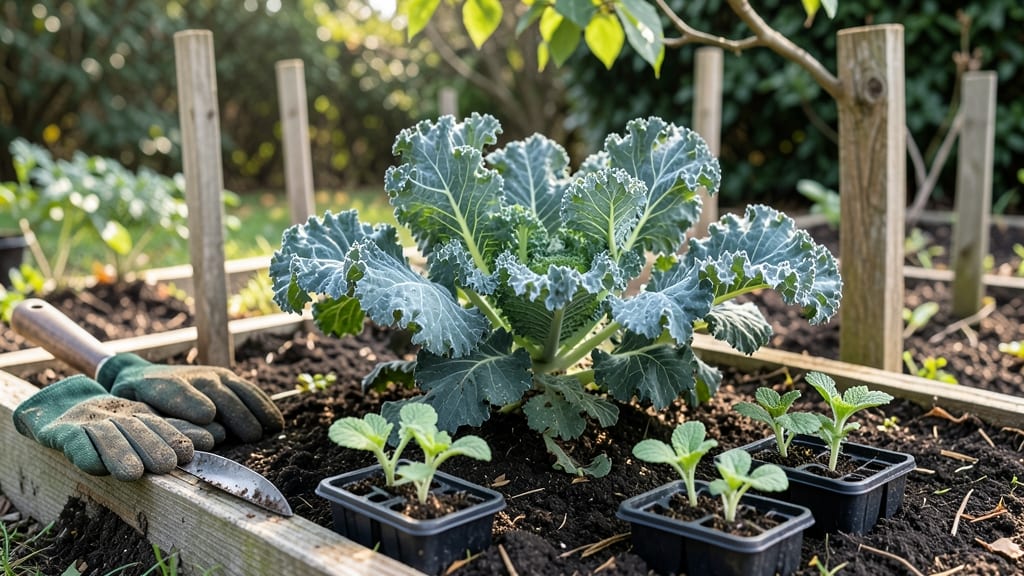
Knowing when to plant brassicas in Michigan can mean the difference between a bountiful harvest and wasted effort—especially with the Great Lakes' unpredictable frosts. These cold-hardy veggies like kale and broccoli 🥬 thrive in Michigan’s Zone 5b-6b, but timing is critical to avoid bolting or frost damage.
Plant too early, and your seedlings might freeze; too late, and summer heat will send them shooting up flowers before you get a single leaf. The secret? Start brassicas in early spring (March-April) or late summer (August) for fall harvests, aligning with Michigan’s last frost dates around mid-April.
In this guide, I’ll break down the exact planting windows for your region, frost-tolerant varieties that perform best, and how to prep soil to keep your brassicas happy from seedling to harvest. Let’s get those greens growing the right way!
Whether you’re a beginner or a seasoned gardener, these tips will help you maximize your brassica yields—no more guesswork, just reliable, cold-climate success. Ready to dig in?
Michigan brassica planting timeline: frost dates and optimal windows
Michigan’s Zone 5 and 6 climates demand precise timing for brassicas like kale, broccoli, and cabbage—plant too early, and frost will kill seedlings; too late, and summer heat triggers bolting.
The key is aligning your planting with last frost dates (mid-April in most regions) and first frost dates (mid-October). Here’s your region-specific schedule to maximize yields.
For spring planting, start 4-6 weeks before the last frost (early March to April) for direct-sown varieties like kale and spinach. Transplants (e.g., broccoli or cabbage) can go in 2-3 weeks before the last frost for a head start.
In southern Michigan (Zone 6), you might squeeze in an early February start under row covers.
📅 Michigan Brassica Planting Summary
| Season | Planting Window | Key Varieties | Notes |
|---|---|---|---|
| Early Spring | March 15–April 15 | Kale, Spinach, Radishes | Direct-sow 4–6 weeks before last frost |
| Late Spring | April 15–May 1 | Broccoli, Cabbage, Brussels Sprouts | Transplant 2–3 weeks before last frost |
| Late Summer | August 1–15 | Kale, Turnips, Radishes | Direct-sow 8–10 weeks before first frost |
| Fall | September 1–15 | Cabbage, Collards, Winter Radishes | Transplant 6–8 weeks before first frost |
Northern Michigan (Zone 5) gardeners should push planting dates 1–2 weeks later than southern regions due to later frosts. For example, Upper Peninsula areas may wait until mid-April for spring transplants.
Always check your local USDA frost map—Michigan’s Great Lakes influence can delay frosts by 1–2 weeks in coastal areas like Traverse City.
For fall brassicas, aim to plant 8–10 weeks before the first frost (early August for most of Michigan). Brussels sprouts and cabbage need this long growing season to mature before cold sets in.
Use row covers to extend harvests into November—just remove them during the day to prevent overheating.
Succession planting is your secret weapon in Michigan. Sow small brassicas like radishes or turnips every 2 weeks from March to August for a continuous harvest. This works especially well in container gardens, where you can stagger plantings in 5-gallon buckets on patios or balconies.
Soil temperature matters just as much as air temperature. Brassicas thrive when soil reaches 40°F (4°C)—use a soil thermometer to confirm readiness.
In cold springs, warm soil with black plastic mulch or a cold frame to jumpstart germination. Northern Michigan gardeners often need these tools to avoid seed rot in damp, chilly soils.
Don’t overlook microclimates in your yard. South-facing beds warm up faster and are ideal for early spring brassicas, while north-facing areas may need row covers to protect seedlings.
Even a 2-foot difference in elevation can shift frost dates by 3–5 days—observe your garden’s patterns for 2–3 years to refine your schedule.
Pro tip: Plant fast-maturing varieties (e.g., ‘Early Jersey Wakefield’ cabbage) in late July for a fall harvest before hard frosts. These varieties mature in 50–60 days, giving you a second chance at brassicas when summer heat would otherwise bolt slower growers.
Track your progress with a gardening journal. Note when you planted, which varieties thrived, and any pests or diseases you encountered. Michigan’s cabbage worms and flea beetles love brassicas—use row covers or neem oil to protect young plants during peak pest seasons (June–July).
Michigan brassica planting timeline: frost dates and optimal windows
Michigan’s last frost dates vary by region—typically mid-April in the south (like Detroit) to late April in the north (like Traverse City). For spring brassicas, I recommend starting seeds 4-6 weeks before your last frost date indoors, then transplanting outdoors after soil warms to 40°F+.
In Zone 5b, that’s usually early to mid-April; in Zone 6b, aim for late March.
For fall harvests, brassicas like kale and broccoli can handle light frosts, so I plant them 8-10 weeks before the first frost (typically mid-October). In August, sow seeds directly outdoors for a September-November harvest before hard freezes hit. This two-season strategy maximizes your yield in Michigan’s short growing season.
📅 Michigan Brassica Planting Summary
| Season | Planting Time | Varieties | Notes |
|---|---|---|---|
| Spring | Indoors: March Outdoors: April (after frost) |
Broccoli, Cabbage, Cauliflower | Start seeds early; transplant when soil is 40°F+. |
| Fall | Direct sow: August | Kale, Brussels Sprouts, Radishes | Tolerates light frost; harvest before hard freeze. |
Northern Michigan (e.g., Marquette or Sault Ste. Marie) has a shorter season, so I adjust by planting fast-maturing varieties like 'Early Snowball' cabbage (50 days) or 'Winterbor' kale (60 days). These thrive in cooler temps and give you a head start before summer heat arrives.
For southern Michigan (e.g., Ann Arbor or Kalamazoo), you’ve got more flexibility—try transplanting in early April for a June harvest.
Pro tip: Use row covers to extend your spring season by 2-3 weeks. I’ve seen cabbage seedlings survive 28°F with protection, giving you an earlier start. Just remove covers during the day to prevent overheating. For fall, focus on cold-hardy greens like Lacinato kale, which sweetens after frost!
If you’re in Zone 5b, don’t miss the early April window—it’s your best shot at a summer harvest before bolting. For Zone 6b, you can push it to late March for an even earlier start.
Mark your calendar and set reminders, because Michigan’s weather can shift faster than you can say "early frost warning."
For a foolproof schedule, I recommend planting in two batches: one in early April for summer harvests, and another in mid-August for fall. This ensures you’re always eating fresh brassicas, from crisp broccoli in June to sweet kale in November. 🥬