
Companion Plants
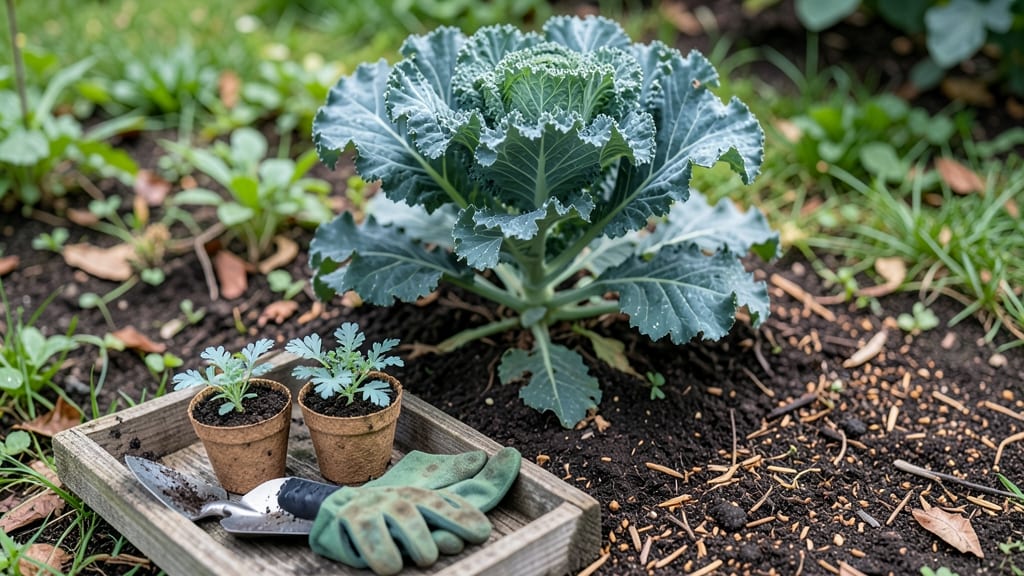
If you’ve ever watched your brassicas when to plant brassicas in Pennsylvania bolt into bitter, inedible flowers before they’re ready, you know timing is everything—and in Pennsylvania’s 5a-7b climate, getting it wrong can mean wasted effort.
The key to zero-bolt success lies in planting these cool-season crops during two narrow windows: early spring (March-April) or late summer (August-September).
Most gardeners focus on spring, but fall planting often yields sweeter, hardier harvests—if you nail the 8–10 week window before your first frost.
I’ll show you exactly when to start seeds indoors or transplant seedlings, plus how to adjust for PA’s microclimates, from Pittsburgh’s urban heat islands to the Poconos’ cooler highlands.
Why does this matter? Because brassicas like broccoli, kale, and cabbage thrive in cool weather, but even a single warm spell can trigger bolting.
We’ll cover soil temperature tricks, succession planting for continuous harvests, and the best varieties for each season—so you can avoid the heartbreak of watching your garden’s hard work go to seed.
Ready to transform your PA garden into a brassica powerhouse? Let’s dive into the exact planting schedule that’ll keep your greens crisp, your heads tight, and your harvests bountiful—no matter what Mother Nature throws your way.
Optimal Pennsylvania brassica planting timeline: fall vs spring breakdown
Pennsylvania’s variable climate makes brassica planting a balancing act between last spring frosts and first fall frosts. In most of PA (USDA zones 5a-7b), your average last frost falls between mid-April and early May, while first frosts typically arrive by mid-October.
But don’t let these averages fool you—urban heat islands and mountain microclimates can shift these windows by 2-3 weeks.
For spring planting, aim to get seeds or transplants in the ground 4-6 weeks before your last frost. This means late March to early April for most of PA, but early April in colder zones like the Poconos.
Early varieties like ‘Early Jersey’ cabbage or ‘Calabrese’ broccoli can handle cooler soils, while heat-sensitive types (like cauliflower) need warmer 50°F+ soil temps.
Here’s the key visual guide to PA brassica planting—broken down by plant type, season, and critical timing:
For fall brassicas, the goal is to establish roots before daylength shortens in September. Start seeds 8-10 weeks before your first frost—that’s late July to early August for most of PA.
Leafy greens like kale and collards handle cooler temps better than head-forming types, so they’re your best bet for late-season harvests.
Pro tip: Use row covers or cold frames to extend fall harvests by 3-4 weeks. I’ve kept ‘Winterbor’ kale producing crisp leaves until December in my Philadelphia garden by adding a simple floating row cover when temps dip below 25°F.
Succession planting is your secret weapon for continuous harvests. In spring, sow every 2 weeks until mid-May to stagger maturity. In fall, repeat every 3 weeks from late July until early September. This ensures you’re always picking fresh instead of dealing with bolting.
Watch out for soil temperature—brassicas won’t germinate well below 50°F. Use a soil thermometer to confirm before planting. If temps are too cool, wait 1-2 weeks or use black plastic mulch to warm the soil faster.
Remember: PA’s climate is unpredictable. Always have a backup plan—like extra transplants or a greenhouse—for late frosts. When in doubt, plant early; brassicas tolerate light frost better than heat stress.
Optimal Pennsylvania brassica planting timeline: fall vs spring breakdown
Pennsylvania’s 5a-7b climate demands precision when planting brassicas, but the good news is that two distinct windows—early spring and late summer—offer foolproof timing for zero-bolt success. The key is matching your last frost date (typically mid-April) and first frost (mid-October) with the right planting schedule.
For spring, aim to transplant seedlings 4-6 weeks before your last frost, while fall planting requires starting seeds 8-10 weeks before the first frost to ensure mature harvests before winter.
Here’s the breakdown: Spring planting starts indoors in February-March for varieties like broccoli and cabbage, while direct sowing can begin outdoors in late March-April once soil temps hit 40°F. Fall planting kicks off indoors in July-August for late-season harvests, with outdoor sowing wrapping up by mid-September.
The difference? Spring brassicas thrive in cool soil, while fall crops need to mature before winter’s chill sets in.
🌱
| Season | Planting Window | Soil Temp | Best Varieties | Harvest Window |
|---|---|---|---|---|
| Spring | Indoors: Feb-Mar Outdoors: Late Mar-Apr |
40-50°F | Broccoli ‘Waltham 29’, Cabbage ‘Golden Acre’ | May-July |
| Fall | Indoors: Jul-Aug Outdoors: Aug-Sep |
50-60°F | Kale ‘Winterbor’, Brussels Sprouts ‘Long Island Improved’ | Sep-Nov |
🌡️ Pro Tip: Use a soil thermometer to confirm temps—brassicas hate heat!
For direct sowing, timing is even tighter. In spring, seed brassicas 2-4 weeks before your last frost, while fall sowing should wrap up by mid-September to allow 60-90 days of growth.
Varieties like ‘Ruby Perfection’ kohlrabi mature faster (50 days), making them ideal for late-season plantings, while Brussels sprouts need 90+ days and should only be planted in early spring.
PA’s microclimates add another layer—urban areas like Philadelphia may experience earlier last frosts (late March), while rural zones like the Poconos can delay until early May.
Adjust your schedule by 1-2 weeks based on your local frost data, which you can find via the Penn State Extension or Almanac’s frost calculator. Don’t skip this step—even a 10°F swing can turn your perfect timing into a bolting disaster.
Succession planting is your secret weapon for continuous harvests. In spring, sow new batches every 2 weeks until mid-May, while fall succession works by planting every 3 weeks from July until early September. This ensures you’re always harvesting fresh greens, whether it’s broccoli in June or kale in October.
Pair this with row covers in fall to extend your season by 3-4 weeks—just remove them during the day to prevent overheating.
Remember, the goal is cool soil and crisp air. If your brassicas start looking stressed or flowering prematurely, they’re either too hot or too crowded. Provide 18-24 inches of space between plants and use shade cloth during heatwaves.
With this timeline, you’ll avoid the #1 PA gardener mistake: planting too late in spring or too early in fall. Now go forth and grow those perfectly timed brassicas!