
Plants
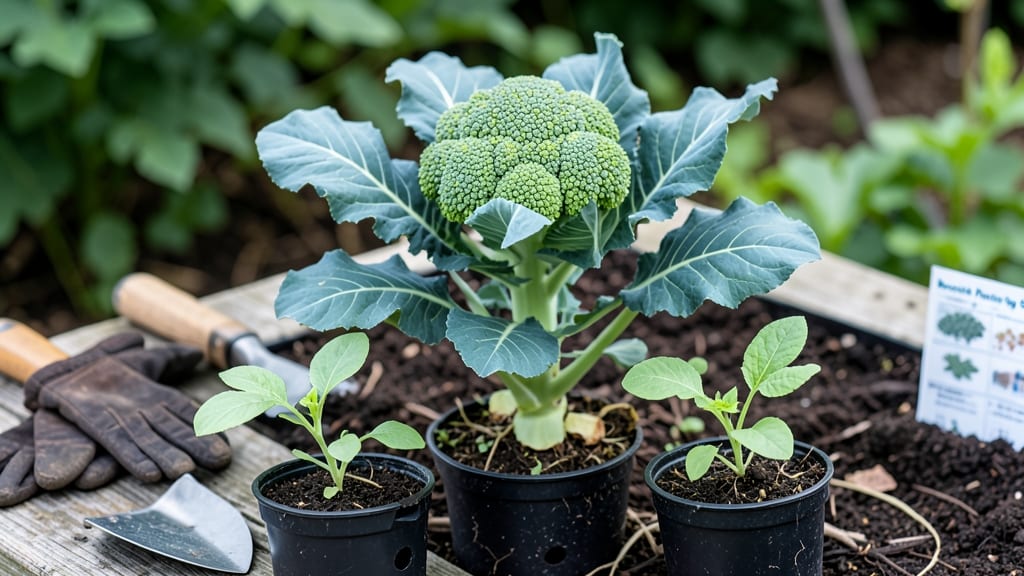
Timing your 🥦 broccoli planting in Illinois isn't just about calendar dates—it's about avoiding bitter disappointment when your plants bolt before producing those perfect heads.
The key to zero-bolt success lies in understanding your local frost dates and microclimates, because planting too early or too late can mean the difference between a bountiful harvest and wasted effort.
With Illinois' USDA zones 5b-6b and unpredictable spring weather, most gardeners get their best results by planting in early spring (March-April) and late summer (July-August).
But here's the catch: your exact planting window depends on whether you're in northern Illinois (where frosts linger longer) or southern Illinois (where heat arrives faster). We'll break down the county-specific dates you need to know.
What makes this even more critical is that broccoli thrives in cool weather—60-70°F is ideal—and will bolt (go to seed) if temperatures climb above 80°F. That's why fall planting can actually work in Illinois, provided you time it right.
Let me show you exactly when to plant for both spring and fall harvests, plus how to adjust for your specific location's last frost date.
Ready to grow broccoli that stays sweet and productive? You'll discover the exact planting deadlines, soil prep secrets, and variety recommendations that Illinois gardeners swear by. Let's get those 🥦 heads growing the right way.
Best planting dates for broccoli in Illinois by county (avoid bolting)
Illinois gardeners know timing is everything when growing broccoli. The state's USDA Zones 5b-6b mean frost dates vary dramatically from northern to southern counties, creating a 3-4 week window difference for ideal planting.
Miss these dates, and you risk bolting—when plants prematurely flower and become bitter. Let's break down the county-specific planting schedule to ensure your broccoli thrives.
For spring planting, aim to sow seeds 4-6 weeks before your last frost date. In northern Illinois (like Cook or DuPage counties), that means mid-March to early April.
Meanwhile, southern Illinois (like St. Clair or Madison counties) can start as early as late February. This timing ensures seedlings mature before summer heat triggers bolting.
Fall planting follows a similar logic: sow 8-10 weeks before your first frost. In northern counties, that's late July to early August. Southern counties can extend planting until mid-August. Fall broccoli often produces sweeter, more tender heads because cooler temperatures delay bolting.
Here’s your county-by-county planting guide, including last frost dates and ideal windows to avoid bolting:
Pro tip: Use row covers or cold frames to extend your planting window by 2-3 weeks in northern counties. This trick lets you sow earlier in spring or later in fall, giving you a second chance if your initial planting gets nipped by frost.
If you're in zone 5b (like McHenry or Kane counties), prioritize cold-hardy varieties like 'Waltham 29' or 'Calabrese'. These tolerate light frosts and produce heads even in 50°F temperatures. For zone 6b (like Will or Kankakee counties), heat-tolerant types such as 'De Cicco' or 'Belstar' handle summer's edge better.
Remember: Broccoli bolts when days get too long (14+ hours of daylight) or temperatures exceed 80°F. In Illinois, this typically happens by late May for spring plantings. For fall crops, bolting risk drops after September 15, making late-summer sowings your safest bet.
Start seeds indoors 6-8 weeks before transplanting to give seedlings a head start. Harden them off for 7-10 days before moving to the garden. Transplant on a cool, cloudy day to reduce stress—this is especially critical in southern Illinois, where summer heat arrives early.
🌱
How to adjust planting times for Illinois’ microclimates (cold hardiness vs. heat sensitivity)
Illinois’ variable climate means your broccoli planting success hinges on understanding your microclimate. Northern regions like Chicago and DeKalb experience later last frosts (mid-April), while southern areas like Springfield and Carbondale warm up faster. This creates a 3-4 week difference in ideal planting windows across the state.
For example, gardeners in USDA Zone 5b (northern Illinois) should start spring broccoli indoors by March 1 and transplant by April 15. Meanwhile, those in Zone 6b (southern Illinois) can plant directly outdoors as early as February 28 without risking frost damage.
These differences matter because broccoli seedlings can’t handle temperatures below 40°F.
🚨 CRITICAL ADJUSTMENT: If your area has a history of late spring frosts (like Dubuque or Rockford), use row covers or plant in low-lying areas where cold air settles last. Conversely, in heat-prone zones (like St. Louis), prioritize shade cloth or late summer planting to avoid bolting.
⚠️ Heat Warning: Bolting Risk
Broccoli bolts when daytime temps exceed 80°F for more than 3 days. In southern Illinois, this means July plantings are riskier than in northern counties. Solution: Use heat-tolerant varieties like Waltham 29 or plant in partial shade during peak summer.
Another trick for extending your growing season is succession planting. In northern Illinois, make weekly sowings from April 15 to May 15 to stagger harvests. Southern gardeners can push fall plantings until August 15—just ensure seedlings get consistent moisture to prevent stress from summer heat.
Don’t overlook soil temperature either. Broccoli seeds need soil at 40-50°F to germinate. In cooler microclimates, use black plastic mulch to warm the soil faster. Test your soil’s temperature with a soil thermometer before planting—if it’s below 40°F, wait a week or two.
For container gardeners, black pots absorb heat faster than terracotta, giving you a 1-2 week head start in spring. Pair this with a south-facing location to maximize warmth. In fall, move containers to protected spots (like against a south wall) to delay frost exposure.
Pro tip: Monitor your local Almanac frost dates and adjust by 2 weeks if your yard is in a warmer microclimate (e.g., near a lake or urban heat island). A few extra weeks of growth can mean the difference between harvestable heads and bitter disappointment. 🌱