
Plants
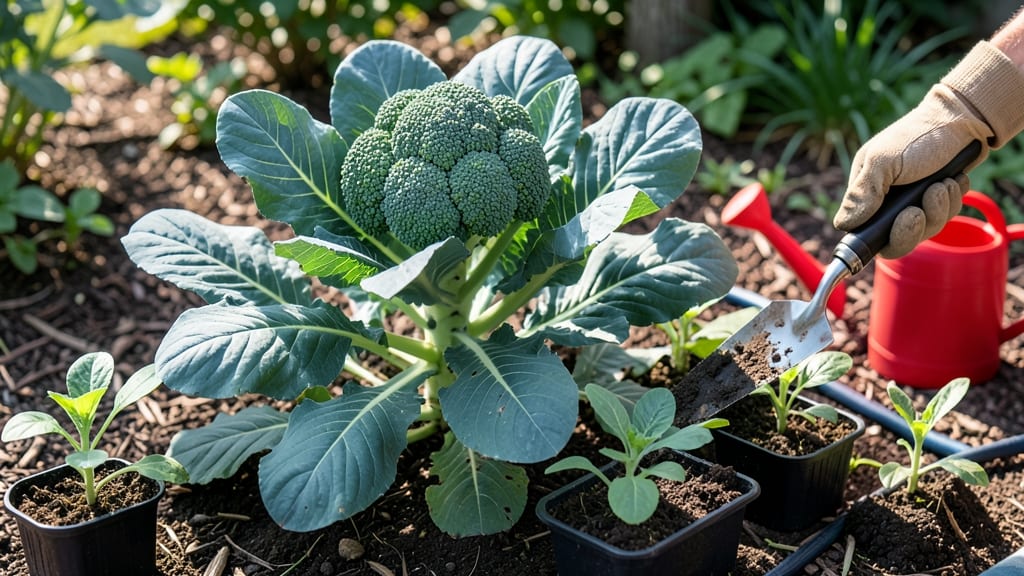
Timing your broccoli 🥦 planting in North Carolina’s fall can mean the difference between a bountiful harvest and frost-damaged disappointment. The key window—late August to early October—aligns perfectly with NC’s mild climate, but getting it wrong risks losing your crop before winter’s first hard freeze.
Most gardeners in zones 7a-8b assume "fall planting" means throwing seeds in the ground whenever they feel like it, but that’s a recipe for failure. The real secret? Planting 4-6 weeks before your first frost—not just "in the fall."
For NC’s eastern regions, that might mean late September, while mountain areas need to start earlier to beat the chill.
You’ll also want to know whether to use transplants or direct-sow seeds, which varieties handle NC’s unpredictable weather best, and how to stretch your growing season with simple tricks.
Let’s break down the exact deadlines by county so you can avoid common mistakes and enjoy fresh broccoli from November through January.
No more guessing games—just science-backed timing to grow the healthiest, most productive broccoli your NC garden has ever seen. Ready to plant with confidence?
NC fall broccoli planting deadlines by county: avoid frost before harvest
North Carolina’s three distinct climate zones—coastal, piedmont, and mountain—each have unique fall frost dates that dictate your broccoli planting window. Missing these deadlines can mean frost-damaged heads or stunted growth.
Let’s break down the county-specific planting zones to ensure your broccoli matures before winter’s first hard freeze (28°F or lower).
For a successful fall harvest, aim to plant broccoli 4-6 weeks before your region’s average first frost date. Most NC varieties need 50-80 days to mature, so timing is critical.
Coastal areas like New Hanover County have later frost dates than mountain regions like Haywood County, meaning your planting window shifts dramatically across the state.
Here’s how to align your planting with NC’s three key regions and their frost-sensitive deadlines:
If you’re in the mountain region, your window closes by mid-August—any later, and your broccoli won’t mature before frost. Meanwhile, coastal gardeners can push planting into early October thanks to milder temperatures. Always check your local USDA zone (NC ranges from 7a–8b) for precision.
For last-minute planting, opt for fast-maturing varieties like 'De Cicco' (50 days) or 'Waltham 29' (60 days). These cold-hardy types can tolerate light frosts (down to 25°F) without bolting, giving you a safety net if you’re cutting it close. Pair them with row covers for extra protection.
Soil temperature is just as critical as frost dates. Broccoli seeds need soil temps above 50°F to germinate, but 60–70°F is ideal for faster growth. In cooler mountain regions, consider black plastic mulch to warm the soil before planting.
For coastal areas, late August is your sweet spot—plant here, and you’ll harvest through December.
Don’t forget: Transplants (not seeds) are your best bet for fall planting. Start with 4–6 week-old seedlings from a nursery, as they’ll mature faster than direct-sown seeds. Space them 18–24 inches apart to prevent overcrowding, which stresses plants and invites pests.
For extended harvests, stagger your planting by 2–3 weeks. For example, if your county’s deadline is September 15, plant a batch on August 15, another on August 30, and a final one on September 15.
This ensures a continuous supply of fresh broccoli from October through January.
🌱 Key Takeaway: Your county’s frost date is your deadline—plant broccoli 4–6 weeks before it arrives to avoid frost damage. Use cold-hardy varieties, warm your soil, and stagger plantings for the longest harvest window possible.
How to extend broccoli’s fall growing season in NC: frost-proofing tips
North Carolina’s fall weather can be unpredictable, with early frosts sometimes sneaking in before you’ve harvested your broccoli. The good news? With a few simple strategies, you can push your growing season by 3-4 weeks—enough time to enjoy fresh heads well into December.
Start by choosing cold-hardy varieties like 'De Cicco' or 'Waltham 29,' which tolerate temperatures down to 25°F without major damage.
Next, consider using row covers or lightweight frost blankets. These create a microclimate that traps heat during the day and insulates plants at night. For extra protection, plant your broccoli near warm-season crops like tomatoes or peppers—their residual heat can help delay frost.
Mulching with straw or leaves also keeps soil temperatures stable and prevents sudden temperature swings.
Soil temperature matters just as much as air temperature. Aim to plant when soil temps are 45°F or warmer—use a soil thermometer to check. If your soil is cooler, try warming it with black plastic mulch laid down a week before planting.
This simple trick can add 5-7°F to your soil’s warmth, giving seedlings a better start.
🌱
🔍 Proven Frost-Proofing Strategies for NC Broccoli
- ❄️ Row Covers: Use lightweight fabric to shield plants from 28°F+ frosts. Secure edges with bricks or soil.
- 🌡️ Soil Warmers: Black plastic mulch raises soil 5-7°F—ideal for early September plantings.
- 🌿 Companion Planting: Surround broccoli with bush beans or radishes to reflect heat and deter pests.
- 💧 Evening Watering: Moist soil holds heat longer—water before sunset to extend warmth.
- 🌱 Succession Planting: Sow new seeds every 2 weeks in September for staggered harvests.
Don’t overlook the power of succession planting. Instead of betting everything on one planting, sow a few seeds every 2 weeks through early October. This ensures you’ll always have young, tender heads ready to harvest before winter sets in.
Pair this with drip irrigation to keep soil consistently moist—dry spells in fall can stress plants just as much as cold snaps.
Finally, monitor your local frost forecast using tools like the NC State Climate Office or Almanac’s Frost Calculator. If a hard freeze (28°F or lower) is predicted, cover your plants with burlap sacks or old blankets and remove them during the day to prevent overheating.
With these tactics, your broccoli can thrive well past Thanksgiving!
☀️