
Plants
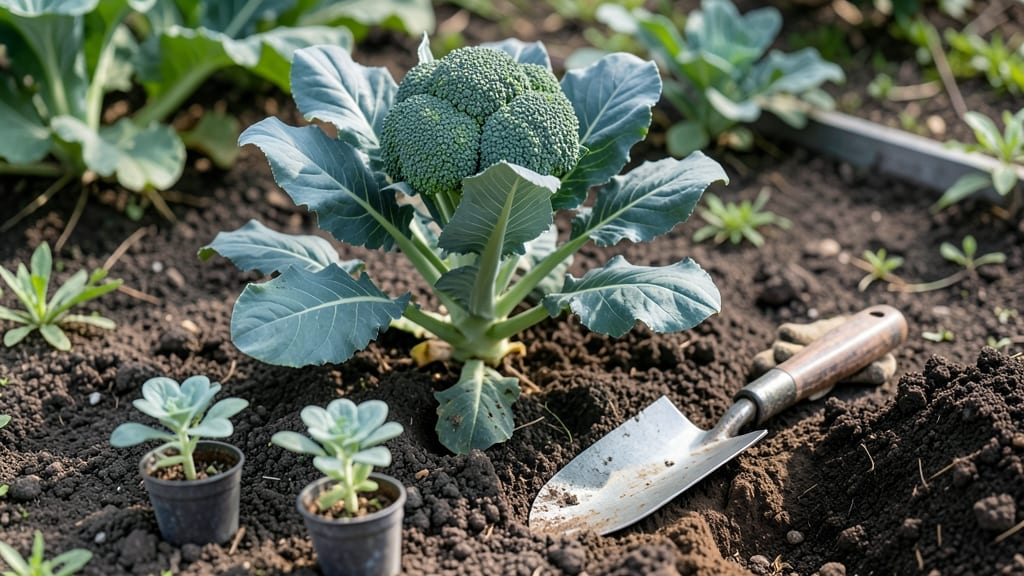
Knowing when to plant broccoli in Zone 7a can mean the difference between a bumper crop of tender, sweet florets and a sad, bitter disappointment. This cool-season veggie 🥦 loves mild temperatures but wilts under summer’s scorching heat—so timing is everything.
In Zone 7a, your best bets are early spring (March–April) or late summer (August–September), when the soil is cool and frost isn’t lurking. But here’s the catch: rushing it too soon can leave your plants vulnerable to cold snaps, while waiting too long risks bolting before harvest.
Let’s break down the exact windows and pro tips to keep your broccoli thriving.
Whether you’re starting seeds indoors or sowing directly, we’ll cover frost dates, soil temps, and even how to stretch your growing season with shade tricks.
By the end, you’ll know exactly when to get those seeds in the ground for a harvest that’ll make your garden the envy of the neighborhood.
Ready to grow broccoli like a pro? Let’s dive into the perfect planting schedule for Zone 7a’s unique climate—where cooler days meet just enough summer heat to keep things interesting.
Best planting times for broccoli in Zone 7a: early spring & late summer strategies
Broccoli in Zone 7a thrives when planted during the cooler months, avoiding the intense summer heat that can cause bolting. The best windows are early spring (March-April) and late summer (August-September), aligning with your area's last frost date (March 15) and first frost (October 15).
For spring plantings, aim to sow seeds 4-6 weeks before your last frost date—typically mid-February to early March. This gives seedlings time to establish before soil temperatures rise above 75°F, which triggers bolting. Fall plantings should occur 90-120 days before the first frost, usually late August.
Zone 7a’s transitional climate means you can push boundaries slightly. Hardy varieties like ‘De Cicco’ tolerate light frosts, allowing late-winter plantings (February) if covered. However, summer heat (above 80°F) will stress broccoli, so avoid planting after June 1.
🌱
| Planting Window | Ideal Months | Key Considerations | Soil Temp (°F) |
|---|---|---|---|
| Early Spring | Mid-February to Early March | 4-6 weeks before last frost; avoid bolting risk | 45-65°F |
| Late Summer | Late August to Early September | 90-120 days before first frost; harvest before heat stress | 55-70°F |
| Extended Late Winter | February (with cover) | Use row covers for frost protection; best for 'De Cicco' | 40-50°F |
Direct sowing is simplest, but starting seeds indoors 4-6 weeks before transplanting gives you an earlier harvest. Use biodegradable pots to avoid root disturbance when moving seedlings outdoors. Transplant shock is less likely if you harden off seedlings for 7-10 days before planting.
In Zone 7a’s humid summers, broccoli may suffer from bolting or pest pressure. To mitigate this, opt for shade cloth (30-50%) during peak heat (June-July) or choose heat-tolerant varieties like ‘Calabrese’ for late-summer plantings. Succession planting every 2-3 weeks in spring and fall ensures a continuous harvest.
Soil preparation is critical. Amend your garden bed with compost or aged manure to ensure rich, well-draining soil with a pH of 6.0-7.0.
Broccoli is a heavy feeder, so incorporate balanced fertilizer (5-10-10) at planting and again when heads form. Mulch with straw to retain moisture and suppress weeds, which is especially important during Zone 7a’s dry spells.
🌿
Monitor your local microclimate—areas near large trees or buildings may experience earlier frost or hotter microclimates. Adjust planting times accordingly. For example, if your garden sits in a sunken area, it may stay cooler longer, allowing later spring plantings.
Conversely, south-facing beds heat up faster, so plant broccoli there earlier in spring or later in fall.
Finally, keep an eye on weather forecasts in late summer. If unseasonably warm temperatures arrive early, delay your fall planting by 1-2 weeks to avoid heat stress. Cooler-than-average summers? You might even squeeze in a third planting in early July for a late-fall harvest.
Best planting times for broccoli in Zone 7a: early spring & late summer strategies
In Zone 7a, broccoli 🥦 grows best when soil temperatures hover between 40°F and 75°F. Planting outside this range risks bolting (premature flowering) or poor development. The key windows are early spring (March–April) and late summer (August–September), timed to avoid summer’s heat and late-fall frosts.
For a spring harvest, start seeds indoors 4–6 weeks before your last frost date (typically mid-March in Zone 7a). Transplant seedlings outdoors 2–3 weeks before the last frost, ensuring soil is workable and frost-free. This gives heads time to mature by May–June before summer stress sets in.
| Planting Window | Soil Temp (°F) | Action | Harvest Time |
|---|---|---|---|
| Early Spring (March–April) | 40–60°F | Direct sow or transplant seedlings | May–June |
| Late Summer (August–September) | 50–75°F | Direct sow for fall harvest | October–November |
📅 Critical Dates for Zone 7a
For a fall harvest, plant seeds directly outdoors 90–120 days before your first frost (around mid-September in Zone 7a). This ensures heads mature by October–November, before winter chill sets in. Use shade cloth in late summer to protect seedlings from heat stress.
If you miss these windows, consider succession planting every 2–3 weeks in spring or fall to stretch your harvest. For example, sow a new batch in late April and another in mid-August to cover gaps between harvests.
Pro tip: Monitor soil temperature with a thermometer—broccoli roots thrive at 50–60°F. If soil is too warm (>75°F), delay planting or use mulch to keep roots cool. This is especially critical in Zone 7a’s transitional climate, where spring and fall can be unpredictable.
By aligning your planting schedule with these temperature thresholds and frost dates, you’ll avoid the two biggest pitfalls: bolting from heat or frost damage. With the right timing, your broccoli will deliver sweet, tender heads all season long. 🌱